
REVIEW · HOI AN ANCIENT TOWN TOURS
Hoi An Ancient Town – Walking Tour with Local Guide
Hoi An feels like a story you can walk through. In about 150 minutes, you get a small-group route that hits the Old Town’s top sights with frequent indoor breaks, so you can enjoy the details instead of just surviving the heat. I especially liked how guides like Trung and Duy connect the famous buildings to daily life and local culture, not just dates and names.
Two things I really liked. First, the tour is set up to help you see the major highlights in a tight loop, from the Japanese-covered bridge to heritage houses and a folk culture museum. Second, you get those practical local wins at the end, like restaurant and coffee shop ideas, plus tailoring recommendations if you want to get something made while you’re here.
One consideration: the UNESCO heritage entrance ticket is not included, and you must pay 120,000 VND per person in cash. That is easy to handle if you plan ahead, but it is one extra step you should not miss.
In This Review
- Key highlights worth making time for
- Why this 150-minute Old Town walk is a smart first move
- Meeting at 95 Phan Chu Trinh: start where locals actually live
- The UNESCO ticket step: what costs extra and how to avoid a scramble
- Ba Mu Temple Gate: a calm start with clear direction
- Fujian and Cantonese Assembly Hall: trade routes told in architecture
- Japanese-covered bridge: the landmark and the meaning behind it
- Kazik Park: a small breather that keeps the walk comfortable
- Tấn Kí Heritage House: the view behind the front doors
- Traditional Art Performance House: understanding what a show is trying to preserve
- Museum of Folk Culture: everyday objects that explain the town
- Hoi An Market: where local life and good advice meet
- Included tea or dessert, plus a cooling drink option
- Price and value: $14 is the headline, the ticket is the reality
- When a guide is worth it most: crowds, rain, and first-timer overwhelm
- Who should book this tour
- Should you book this Hoi An Ancient Town walking tour?
- FAQ
- FAQ
- How long is the walking tour?
- How big is the group?
- Is the UNESCO entrance ticket included?
- Where do we meet the guide?
- Is pickup or drop-off included?
- Is the tour offered in English?
- Is the tour suitable for babies or strollers?
Key highlights worth making time for
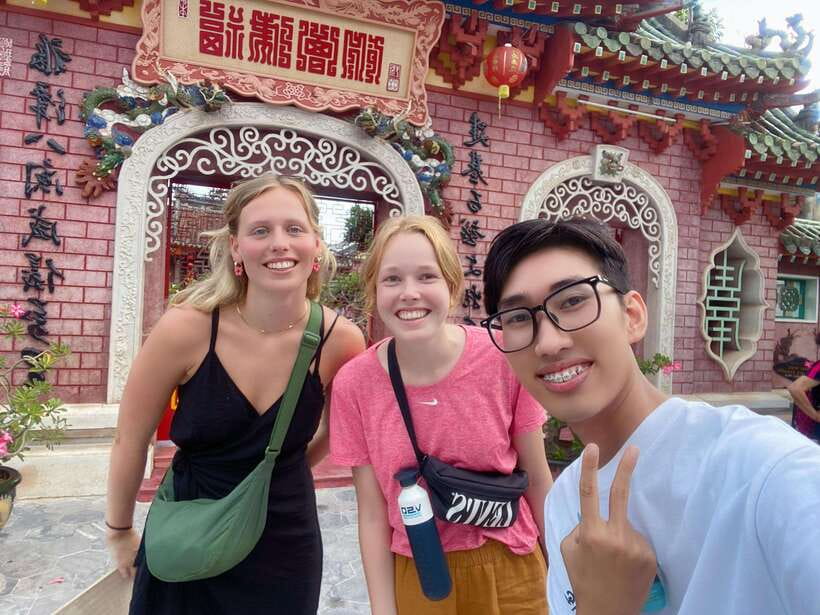
- Max 10 people keeps the walk moving at a comfortable pace and helps everyone stay together
- Indoor break stops help when it is hot, rainy, or packed with crowds
- All-in-one focus on the Old Town’s core landmarks, plus lesser-known lanes and photo spots
- Local dessert or tea included, with some guides finishing at a spot like Mót for a cooling drink
- Practical local recommendations for food, coffee, and even tailor shops
- Skip-the-line style access through a separate entrance for some heritage entries
Deeper into the Ancient Town
- Hoi An: Basket Boat Ride in the Coconut Forest★ 4.9 · 4,956 reviews
- Hoi An: Vietnamese Coffee Culture and Coffee Making Class★ 4.9 · 4,006 reviews
- Hoi An: Vietnamese Foldable Lantern Making Class★ 4.9 · 3,742 reviews
- Cooking Class Hoi An:Local Market, Basket Boat, Fishing & Cooking★ 5.0 · 3,660 reviews
Why this 150-minute Old Town walk is a smart first move
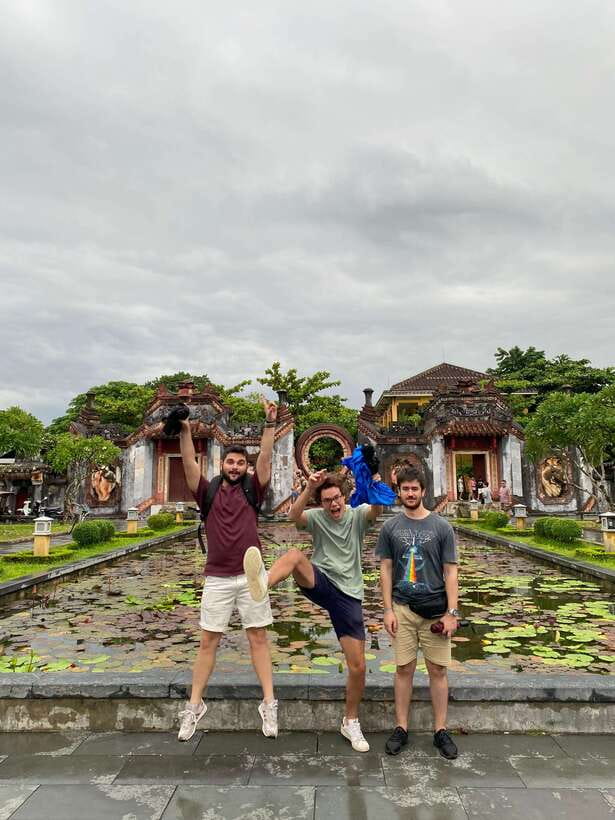
Hoi An is one of those places where wandering works, but having a plan works better. This tour is timed for first-timers. You start near the main lanes, then you fan outward just enough to feel like you explored the Old Town, not like you only skimmed it.
What makes the time feel right is the structure. You do not just move from one exterior sight to the next. There are stops where you can step inside, cool off, and actually absorb what you are looking at. That matters in Hoi An because the Old Town can get crowded fast, and the light can change quickly across narrow streets.
The other big advantage is the guide. In the group of up to 10, the guide can keep the story focused and answer questions without shutting the conversation down. I also like how the guides bring humor and personality. It helps you remember the names of buildings, but more importantly it helps you remember why those buildings mattered.
Meeting at 95 Phan Chu Trinh: start where locals actually live
The meeting point is 95 Đ. Phan Chu Trinh Street, in front of a tailor shop on the corner of the intersection. That is a good setup for two reasons: you can find the group quickly, and you start close to the Old Town without needing pickup or complicated transfers.
Bring comfortable clothes. This is walking. Also, baby strollers are not allowed, so if you are traveling with a small one, you’ll want a different plan. I also suggest wearing shoes with solid grip, because the Old Town surfaces can get slick when it rains.
The UNESCO ticket step: what costs extra and how to avoid a scramble

The tour includes a set of key heritage visits, but you still need the UNESCO heritage entrance ticket: 120,000 VND per person, paid in cash. It is not included in the $14 price.
This is the part that catches people off guard, mostly because it is the only clear extra cost. The good news is that the tour setup includes skip-the-line access through a separate entrance, which helps you get into the paid areas without burning time.
My practical advice: carry the cash ahead of time so you do not spend part of the tour hunting for an ATM. If you are also budgeting for tailors, coffee, or dinner that day, it is smart to do the ticket early so you can spend the rest of your energy on the walk itself.
Ba Mu Temple Gate: a calm start with clear direction
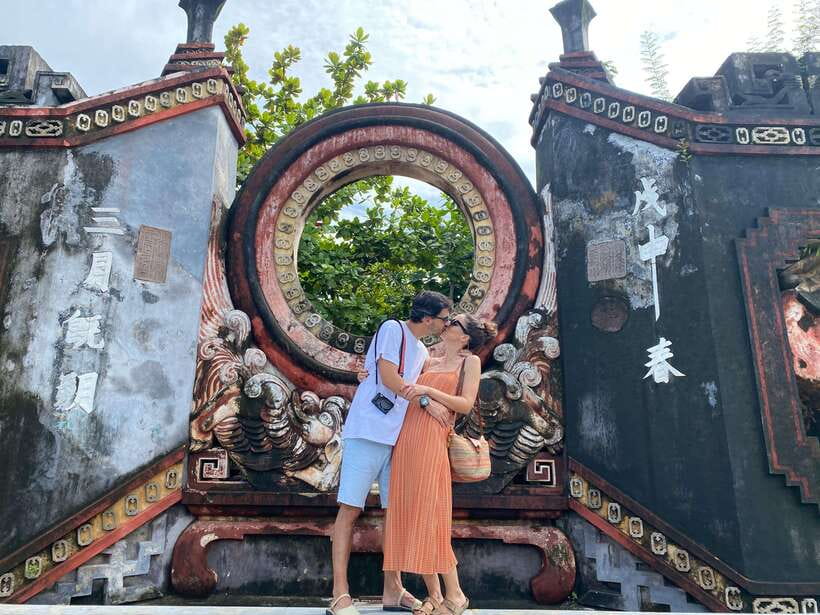
You begin at the Ba Mu Temple gate. This is a strong choice for a starting point because it sets the tone right away. Instead of jumping into the busiest postcard spots, you begin where the area feels more like a lived-in neighborhood.
What you’ll get here is orientation. The guide helps you understand what you are seeing and how it connects to the rest of what you will visit. A gate can sound simple until someone explains the role it played in the town’s spiritual and community flow, and then suddenly it makes sense in relation to the nearby buildings.
Possible drawback: at some times, temple entrances can be busy with foot traffic. If that happens, stay close to your guide and be ready for people to cut across your path in narrow lanes.
Fujian and Cantonese Assembly Hall: trade routes told in architecture
Next comes the Fujian/Cantonese Assembly Hall. This stop is where the tour starts feeling more than visual. Assembly halls are connected to community identity, and in Hoi An that identity traces back to merchant networks.
I like this kind of stop because it explains the logic behind the decorations and the design. You are not just looking at carved details for the sake of it. The guide puts those details into context, so the building becomes a timeline of migration, commerce, and community organization.
Drawback to consider: if you are expecting only outdoor photo points, you might underestimate how much value there is inside. This tour does you a favor by giving you time in places like this, but that only works if you are willing to slow down and look around.
Japanese-covered bridge: the landmark and the meaning behind it
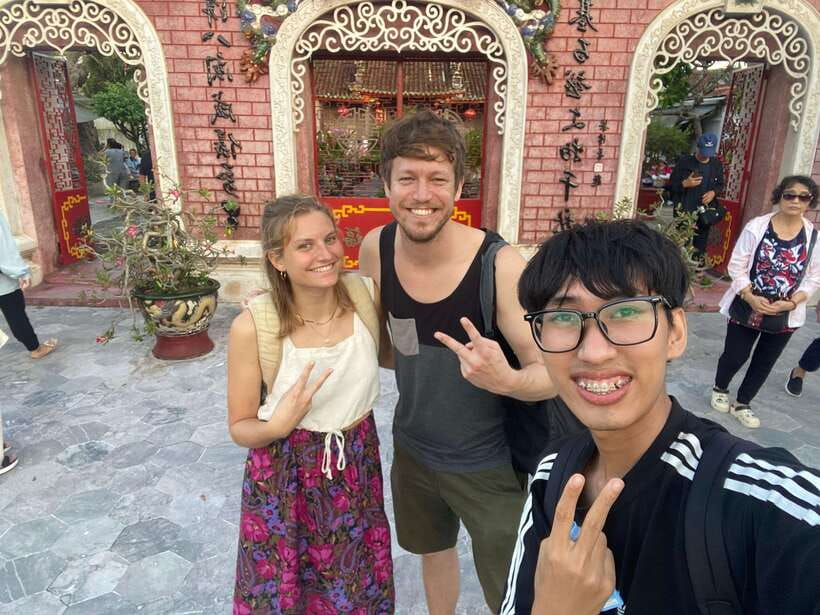
Then you reach the Japanese-covered bridge. This is the Old Town icon most people recognize right away, so it is a good mid-tour anchor. The guide can point out what makes this bridge different and how it fits into Hoi An’s history as a trading port where different communities influenced the town’s layout.
You also get photo time. The guide helps you choose spots where the background looks good and you avoid the worst crowd crush. That is not glamorous, but it is practical, and the photos end up looking better because you are not constantly fighting for a view.
One more practical note: the bridge area can be full of selfie seekers. If it is crowded, follow the pace of the group and let the guide position you. That is faster than trying to pick your own angle under pressure.
Kazik Park: a small breather that keeps the walk comfortable
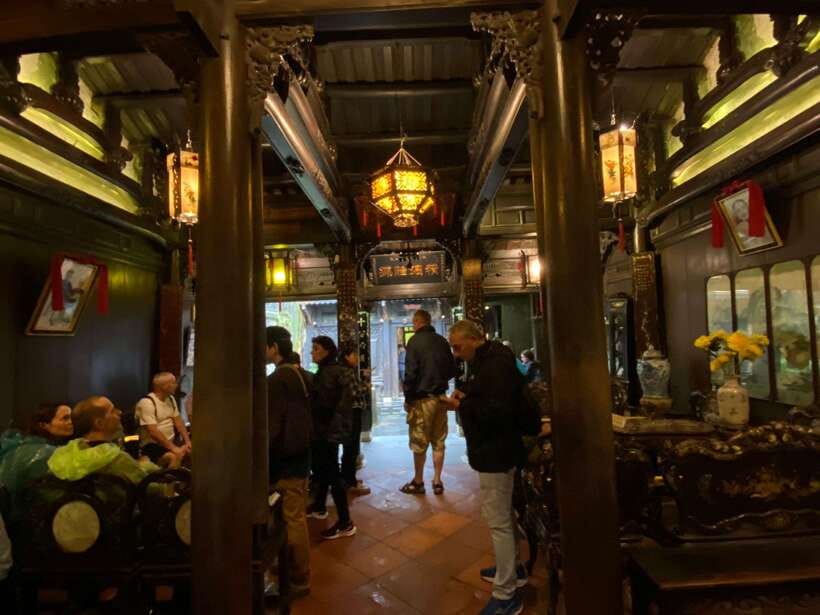
Kazik Park is a nice stop because it shifts you away from only doors and facades. It gives your legs a chance to reset and gives you a mental reset too. Think of it as the tour’s breathing space.
In Hoi An, that matters. Even a short walk can feel long once you factor in sun, humidity, and crowd noise. Park time also gives you a moment to regroup before you enter the more interior, heritage-focused parts of the route.
What to watch: because it is a breather, do not expect it to be as story-heavy as the assembly hall or heritage house. It is more about pace and comfort.
Tấn Kí Heritage House: the view behind the front doors

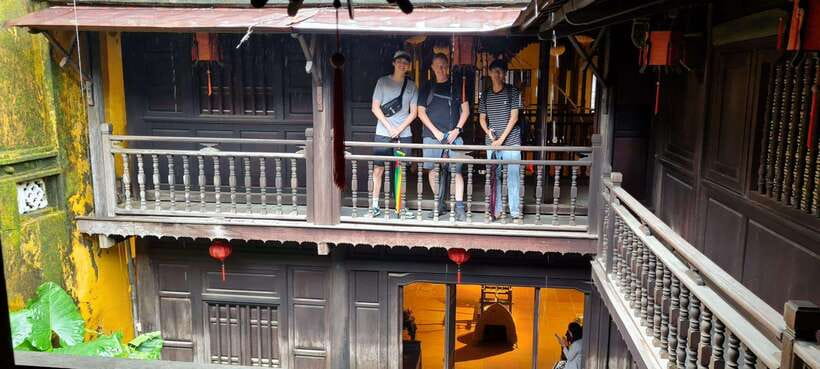
The Tấn Kí Heritage House is where you start understanding the domestic side of Hoi An. Heritage houses can look like they are all about facades, but the real value comes from how the guide explains how people lived, how spaces were organized, and why certain elements show up in multiple homes.
If you enjoy architecture and the daily-life angle, this stop will be a highlight. It also helps you connect the tour’s cultural story to real people, which makes later museum content land better.
Possible drawback: if you are short on attention span for indoor spaces, this is not the fastest stop. Give yourself permission to slow down and look around. The guide’s explanations are the difference between seeing a pretty house and understanding it.
Traditional Art Performance House: understanding what a show is trying to preserve
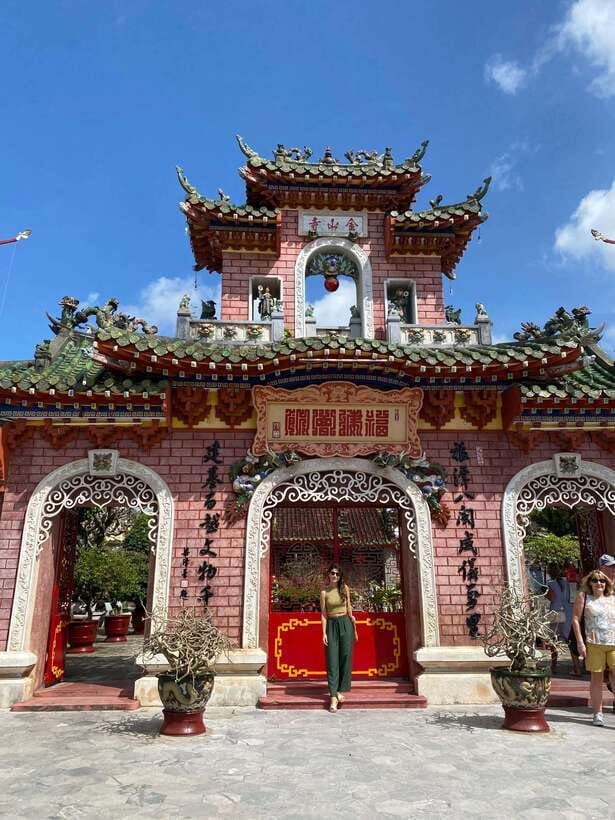
You also visit the Hoi An Traditional Art Performance House. This stop gives you a different lens on the town. Instead of focusing only on buildings and street life, the guide helps you understand the idea of cultural performance and how it functions as preservation.
This works especially well if you are thinking about watching a show later in your trip. You’ll have a better sense of what you are seeing, and why certain elements matter.
My practical tip: if you plan to attend a performance after this tour, ask the guide what kind of context you should watch for. The guide can tailor suggestions to what you care about most.
Museum of Folk Culture: everyday objects that explain the town
The Museum of Folk Culture is the stop that turns the tour from sightseeing into pattern recognition. You start noticing themes in clothing, tools, crafts, and household life. The guide helps you place what you see into the bigger picture of Hoi An’s culture.
I like museum stops that do not overload you with facts. This one feels paced so you can walk away with a clear mental set of ideas about daily life and tradition, not just a list of artifacts.
Drawback: museums can feel slow if you are exhausted. If you arrive tired, lean on the guide to point out what to focus on first.
Hoi An Market: where local life and good advice meet
The Hoi An Market is a great way to end the heritage loop. Markets are sensory. They also show you the practical side of life that is easy to miss if you only stay in the most photographed areas.
This is also where the guide’s local advice comes into play. You get recommendations about where to eat, where to find coffee, and even where to shop or handle tailor needs. That part is not “extra fluff.” It is value you use immediately, because it helps you plan your next meal without guessing.
One consideration: markets can be crowded and loud. The guide keeps the group moving, which helps you avoid getting stuck. Still, keep your eyes open and stay close if you get separated easily in crowds.
Included tea or dessert, plus a cooling drink option
The tour includes traditional dessert or local tea. It is a small detail that makes the walk feel complete, because it gives you a reward that fits the theme of the town.
Some guides finish with a refreshment at a place like Mót, and the drink can be a nice reset after walking in warm weather. Whether it is tea, dessert, or a local drink, the point is the same: you end with something local that slows the day down for a moment.
If you have dietary needs, you should check directly with the guide at the start. The tour description confirms a tea or dessert stop, but specific options can vary by day and guide route.
Price and value: $14 is the headline, the ticket is the reality
At $14 per person for a 150-minute small-group walk, you’re paying for more than movement. You’re paying for an English-speaking guide, a route that covers key heritage sites, and built-in pacing like indoor stops.
Then there’s the additional UNESCO ticket cost, 120,000 VND in cash per person. That is the main add-on, and it is also why you should plan your money early if you want to keep the day smooth.
Value-wise, the guide’s role is the difference between ticking boxes and understanding what you see. The guides here, including people like Trung and Duy, consistently focus on clarity and humor. That combination makes the tour feel worth it even if you already booked a separate walking plan for later. This walk gives you the foundation, so later exploring feels easier.
When a guide is worth it most: crowds, rain, and first-timer overwhelm
Hoi An can swing between calm and chaotic depending on the day. Around busy periods like Tet, the Old Town is packed, and it can be hard to keep track of where to go next. A good guide makes that feel manageable. The group stays together, you get to the key spots, and you do not waste time backtracking.
Weather matters too. If it is wet, you’ll appreciate the indoor break stops and the guide’s choice of route timing. It keeps the experience from turning into a stressful dash between awnings.
Also, if you like asking questions, this tour is built for it. The guides do not treat Q and A like a disruption. They use it to explain what you are seeing and connect it to how Hoi An works.
One small caution: if you feel uncomfortable at any point in crowded areas, signal the guide right away. In dense foot traffic, random people can end up close to the group. The guide’s job is to keep you moving safely and comfortably.
Who should book this tour
This is ideal if you:
- Are visiting Hoi An for the first time and want a clear, heritage-focused orientation
- Prefer a small group of up to 10 rather than a large bus-style tour
- Want indoor stops that help you keep your energy
- Like food and practical recommendations, not just monuments
- Plan to do more in the Old Town after the tour and want a better sense of where things fit
You might look for another option if:
- You dislike paying additional entrance fees and cash is not something you can manage
- You want a purely outdoor photo walk with minimal indoor time
Should you book this Hoi An Ancient Town walking tour?
Yes, if you want a fast, guided on-ramp to the Old Town. For the money, you get a tight route through major heritage sites plus quieter lanes and story-driven stops. The small group size and the indoor breaks are the practical reason this works, especially when weather or crowd levels spike.
Book it early in your trip if you can. You will use the restaurant and coffee recommendations right away, and the historical context makes later sightseeing feel less like random wandering.
Just plan for the one extra step: bring the cash for the UNESCO ticket. Do that, and the rest of the experience is the kind of Hoi An afternoon that makes you feel like you actually learned the town, not just walked past it.
FAQ
FAQ
How long is the walking tour?
The tour duration is 150 minutes.
How big is the group?
The group is limited to a small group, with a maximum of 10 participants.
Is the UNESCO entrance ticket included?
No. The UNESCO heritage entrance ticket costs 120,000 VND per person and must be paid in cash.
Where do we meet the guide?
Meet at 95 Đ. Phan Chu Trinh Street, in front of a tailor shop located on the corner of the intersection.
Is pickup or drop-off included?
No. Pick up and drop off are not included.
Is the tour offered in English?
Yes. The guide is English-speaking.
Is the tour suitable for babies or strollers?
Baby strollers are not allowed. The tour is not suitable for babies under 1 year old.
Hoi An, Still More
- Hoi An: Basket Boat Ride in the Coconut Forest★ 4.9 · 4,956 reviews
- Hoi An: Vietnamese Coffee Culture and Coffee Making Class★ 4.9 · 4,006 reviews
- Hoi An: Vietnamese Foldable Lantern Making Class★ 4.9 · 3,742 reviews
- Cooking Class Hoi An:Local Market, Basket Boat, Fishing & Cooking★ 5.0 · 3,660 reviews
- Hoi An Cooking Class(Market,BasketBoat Crabfishing&Cooking Class)★ 5.0 · 3,386 reviews
Other Hoi An tours our reviewers keep coming back to
- 3 Hours Motorbike Tour in Hoi An Countryside.
★ 5.0 · 18 reviews - My Son Sanctuary Discovery Half day Private Tour
★ 5.0 · 18 reviews - Hoi An local food tour – enjoy taste of Vietnam at ancient town!
★ 5.0 · 18 reviews - Experience Cooking Class for Lunch or Afternoon With Local Chef
★ 5.0 · 18 reviews - HOI AN Vegetable Village, Basket Boat, Palm Forest PRIVATE TOUR
★ 5.0 · 18 reviews - Hoi An Countryside Tour with Bamboo Basket Boat Rowing , Buffalo Ride, Farming
★ 5.0 · 18 reviews
Hoi An Ancient Town Tours, compared.
 ★ 4.9Hoi An: Basket Boat Ride in the Coconut ForestFrom $34,956 reviews
 ★ 4.9Hoi An: Vietnamese Coffee Culture and Coffee Making ClassFrom $144,006 reviews
 ★ 4.9Hoi An: Vietnamese Foldable Lantern Making ClassFrom $103,742 reviews
 ★ 5.0Cooking Class Hoi An:Local Market, Basket Boat, Fishing & CookingFrom $283,660 reviews
 ★ 5.0Hoi An Cooking Class(Market,BasketBoat Crabfishing&Cooking Class)From $283,386 reviews
 ★ 5.0Hue to Hoi An ( Hoi An to Hue) Top Gear with Lefamily Riders Tours ( 1 way)From $503,156 reviews
 ★ 4.9Hoi An: My Son Sanctuary Early Morning w. Champa Food BrunchFrom $202,750 reviews
 ★ 4.8From Hoi An: Market Tour, Basket Boat Ride and Cooking ClassFrom $172,208 reviews
Also in these Vietnam lists