
REVIEW · COFFEE EXPERIENCES
Hanoi Coffee Workshop Crafting the Perfect Brew
Coffee in Hanoi is not a vibe, it is a craft.
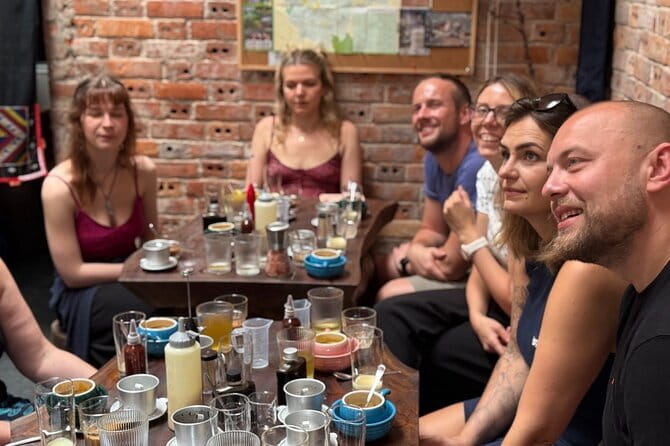
This workshop is interesting because you go from the basics of Vietnamese beans to making several iconic drinks, using the small metal phin filter and learning why the flavors work. I like how it is structured around tasting and technique, not just watching someone else work, and you end up leaving with drink recipes you can repeat later.
Two things I like most: you get hands-on practice with multiple styles (from black to egg and salt coffee), and you work with an English-speaking instructor who also explains the story behind each drink. One possible drawback to plan for: some of the coffees, especially egg coffee and salt coffee, are unusual if you prefer plain coffee, so think of this as an experiment workshop, not a safe bet.
In This Review
- Key things to know before you go
- Hanoi Coffee Workshop and the Phin Filter Reality Check
- Where it happens: GẠO CAFE near Hoàn Kiếm
- Price and value: $17.73 for ingredients, recipes, and an instructor
- The coffee foundation: robusta, arabica, and why Hanoi drinks taste like Hanoi
- Mastering the phin filter: strong, concentrated, and not complicated
- The 4 to 6 Hanoi styles you will make, one by one
- Black coffee: strong and direct
- Brown coffee: condensed milk meets bitterness
- Egg coffee: custard-like comfort
- White coffee: sweet balance, still with bite
- Coconut coffee: tropical refresh with coffee strength
- Salt coffee: sweet, salty, bitter, and strangely harmonious
- Coffee art and personal tweaks, not just rote steps
- Timing, group size, and what you will do in the 2 hours
- Weather and timing considerations in Hanoi
- Who this workshop is for, and who might want a different class
- Should you book this Hanoi coffee workshop?
- FAQ
- How long is the Hanoi coffee workshop?
- How much does it cost?
- What types of Vietnamese coffee will I make?
- Is the workshop led by an English-speaking instructor?
- What is included in the price?
- What is not included?
- Where does the workshop start and end?
- What if the weather is bad or the minimum number of travelers is not met?
Key things to know before you go
- You will make 4 to 6 Vietnamese coffee styles in about 2 hours, so you get variety without losing the plot.
- Phin filter technique is central, and the class teaches how strong, concentrated drip coffee becomes the base for many drinks.
- Egg, white, salt, and coconut coffee are included options, with condensed milk playing a big role in several of them.
- Latte art and simple coffee designs are part of the fun, not just a demo.
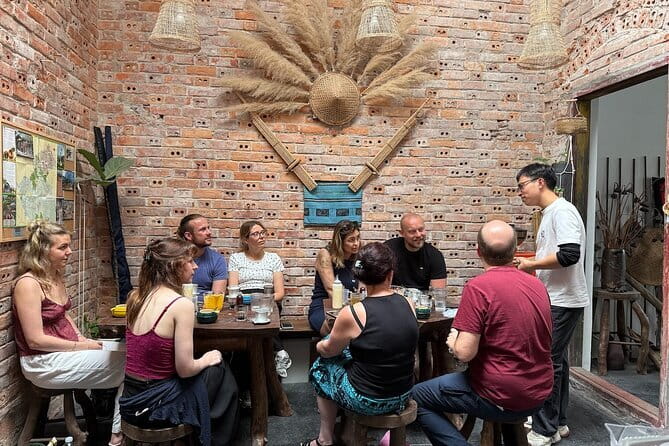
- Small group size (max 15) keeps it practical, so you are not stuck waiting your turn.
- English instructors like Dat, Devin, Claire, and Ashley show up in the experience, and many comments focus on clear teaching and patience.
Narrowing it down? These Hanoi tours kept surfacing in our reviews.
- Hanoi Jeep Tour: Food, Culture and Fun by Vietnam Army Jeep★ 5.0 · 15,222 reviews
- Full-Day Ninh Binh Highlights Tour from Hanoi★ 5.0 · 7,761 reviews
- Hanoi: Ha Long Bay Day Cruise – Swimming, Meal, Kayaking★ 4.7 · 7,415 reviews
- Hanoi: Water Puppet Show Tickets★ 4.6 · 7,029 reviews
Hanoi Coffee Workshop and the Phin Filter Reality Check
Vietnamese coffee tastes different for a reason. The flavor starts with bean choice, especially the bold reputation of robusta for strong, bitter notes, then it gets transformed by the way coffee is brewed and sweetened.
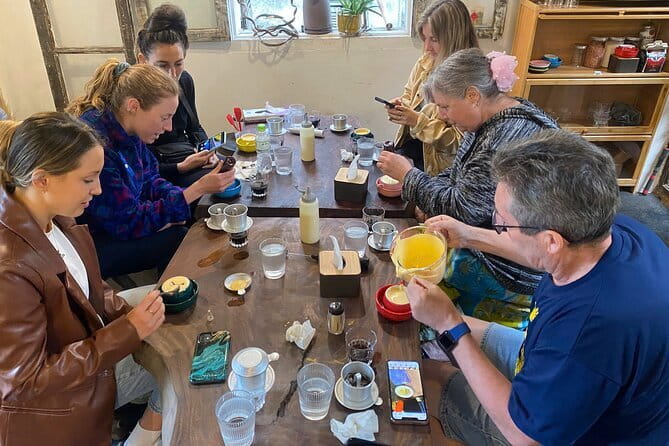
This class is built for people who want more than a souvenir drink. You learn the method and then you make the drinks yourself, with guidance. That matters because Vietnamese coffee is not just about sweetness. It is about concentration, texture, and balance.
The workshop runs about 2 hours. That is long enough to learn technique, make multiple cups, and still keep the pace friendly. You also get a mobile ticket, and you return to the meeting point at the end.
Where it happens: GẠO CAFE near Hoàn Kiếm
The meeting point is GẠO CAFE, P. Chợ Gạo, Hàng Buồm, Hoàn Kiếm, Hanoi. This location is useful if your day already includes central Hanoi sights, because it is in a walkable, city-core area.
The site also notes it is near public transportation, which helps if you are doing this as a plan-after-lunch kind of activity. And since the group is small, you are unlikely to feel swallowed by a big crowd.
If you like starting your Hanoi day with something hands-on, this is also a good anchor. You are not trying to follow a complex tour route. You are learning in one place, with ingredients and tools waiting for you.
Price and value: $17.73 for ingredients, recipes, and an instructor
At $17.73 per person, the price is fairly friendly for a class format. You are not paying for a generic tasting flight where you sample and leave. You are paying for a workshop structure that includes ingredients, recipes, and an English-speaking instructor.
Here is what that means for your money. Instead of buying individual coffees around Hanoi and hoping to recreate the flavor later, you get practical instructions for multiple drink types. You also get enough tasting time to figure out what style you personally like, whether that is the creamy sweetness of condensed milk drinks or something stronger.
What is not included is also clear: no extra food or drink beyond what is tied to the workshop, and you should plan on paying any personal extras. Tips are also not included, which is common, so have that in mind if you want to reward effort.
The coffee foundation: robusta, arabica, and why Hanoi drinks taste like Hanoi
Before you start pouring, you get an introduction to the origins and unique characteristics of Vietnamese coffee beans. The big lesson for most first-timers is the role of robusta versus arabica, and how those differences show up in bitterness and body.
This matters because it changes how you think about every drink you make after. If you understand that Vietnamese black coffee tends to be strong and concentrated, then the rest of the menu makes sense. Brown coffee uses condensed milk to soften the bite. White coffee still carries robusta’s bold side but leans on sweetness. Egg coffee becomes dessert-like partly because the drink is built around that coffee backbone.
You are also learning the idea of flavor profiles, not just memorizing steps. That is what helps you adjust a cup to your tastes later, which several people highlight when describing how instructors helped them tweak their coffee preferences.



Mastering the phin filter: strong, concentrated, and not complicated
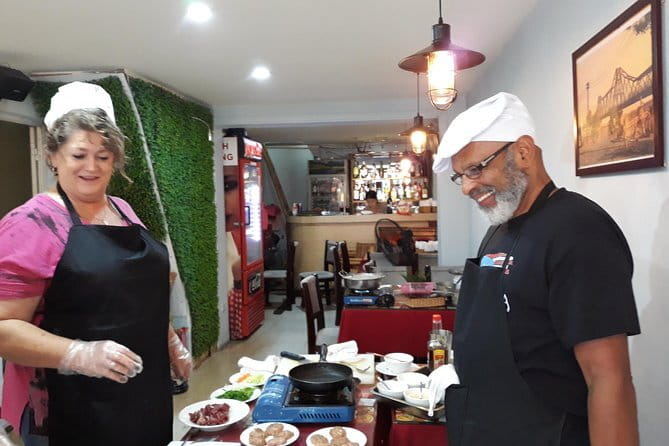
The workshop teaches iconic brewing methods, and the core tool is the phin filter, a small metal drip filter. The point is simple: phin brewing produces a concentrated cup, and that concentration becomes the base for a whole lineup of Vietnamese coffee drinks.
In most Vietnamese coffee shops, the phin is treated like an art tool. In this class, you get to use it yourself. That is the real value. Once you understand how the phin changes the intensity, you stop thinking of Vietnamese coffee as a mystery. It becomes a technique.
If you are the type who likes repeating things at home, this is a huge plus. Many classes teach recipes, but fewer teach the method behind the recipe. Here, the method is the star.
The 4 to 6 Hanoi styles you will make, one by one
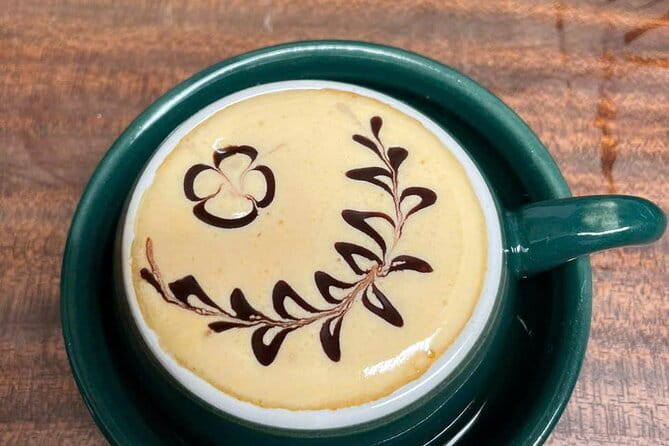
The workshop centers on four to six distinct coffee styles, and the menu described includes six. How many you make can vary, but the signature options are consistent. Either way, you get a full sensory arc, from straight black coffee to sweeter, creamier versions.
Black coffee: strong and direct
Black coffee is brewed using the phin filter, producing a strong and concentrated drip. This is your baseline. If you want to understand the rest of the drinks, start here mentally. You are tasting the coffee in its most honest form.
Brown coffee: condensed milk meets bitterness
Brown coffee is one of the most popular variations, mainly because it adds condensed milk for a creamy, sweet contrast. This drink helps you see how Vietnamese coffee culture treats bitterness as something to balance, not something to hide.
Egg coffee: custard-like comfort
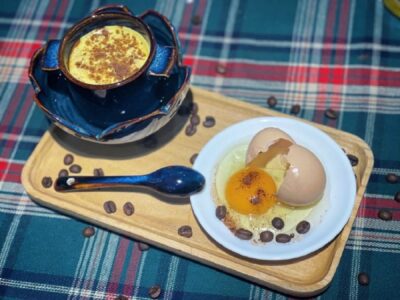
Egg coffee is often a highlight because it turns coffee into something that feels like dessert. The workshop describes it as creamy and dessert-like, with a custard-like experience blending with the bitterness from robusta coffee.
This is also where you learn that the texture you add matters as much as the taste. Egg coffee is not just sweet. It is thick, smooth, and layered in a way you cannot easily mimic with basic coffee shop shortcuts.
White coffee: sweet balance, still with bite
Vietnamese white coffee is not the same as a Western-style coffee milk foam idea. Here, the sweet comes from condensed milk, while the coffee backbone stays bold enough to keep the drink from becoming flat.
If you like coffee that is mellow but still coffee-forward, this one often lands well.
Coconut coffee: tropical refresh with coffee strength
Coconut coffee blends strong black coffee with coconut milk. It gives you a tropical note without losing the concentrated coffee foundation.
If you are learning Vietnamese coffee because you want variety, this is one of the easiest styles to understand quickly. You taste the coconut, but you still recognize the coffee base.
Salt coffee: sweet, salty, bitter, and strangely harmonious
Salt coffee is a lesser-known option that is rising in Hanoi’s coffee culture. The idea is to blend sea salt with milk foam and coffee, so you get a mix of sweet, salty, and bitter flavors.
This drink can surprise you. If you like trying food flavors that play against each other, it is one of the most memorable parts of the workshop. If you hate anything salty in a dessert-like drink, it might be the one to approach cautiously.
Coffee art and personal tweaks, not just rote steps
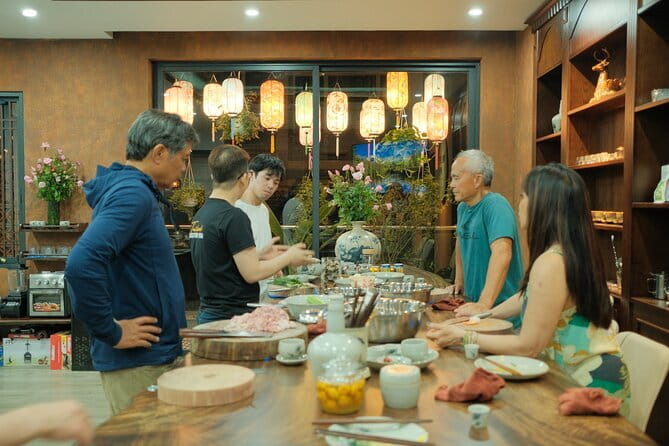
The workshop includes latte art experiments, and the atmosphere is designed for you to try. Some people mention learning simple designs on the coffee, which is a fun way to turn the class into something you can show, not just drink.
But the best part for many readers is that you are not locked into one final flavor. Several instructors are described as patient and helpful, even guiding participants on adjusting coffee to their own tastes.
That makes a difference because Vietnamese coffee is often very sweet, very strong, or both. If you prefer less sweetness, you can learn what to change. If you love sweet desserts, you can lean in. Either way, you end up understanding the control points.
Timing, group size, and what you will do in the 2 hours
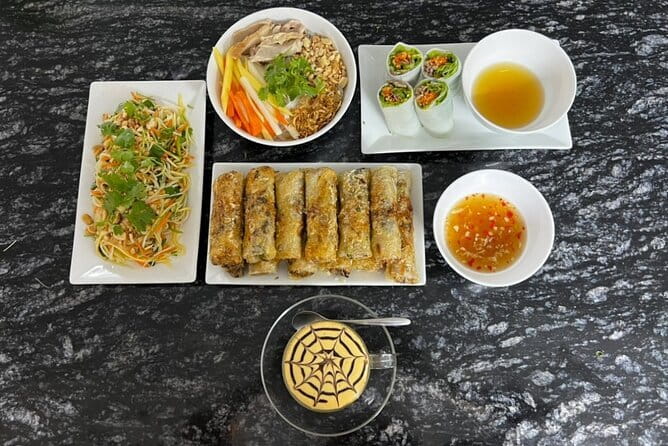
The schedule is tight but not rushed. In about 2 hours, you should expect a flow like this: an intro to beans and brewing basics, hands-on brewing with the phin filter, making multiple drink styles, tasting each one, and finishing with your own creations and a chance to practice simple art or designs.
Because the maximum group size is 15 travelers, the class tends to stay practical. You are usually close enough to see what the instructor is doing, and you are not waiting ages to try your own pour.
That group size also helps if you are traveling solo or as a couple. You can have a conversation without turning it into a classroom lecture where everyone is quiet and disconnected.
Also good to know: confirmation happens after booking. That means you can plan this around the rest of your Hanoi days with less guesswork.
Weather and timing considerations in Hanoi
Vietnam weather can be unpredictable, and this experience states it requires good weather. If weather is poor and the activity gets canceled, you will be offered a different date or a full refund.
There is also a minimum traveler requirement. If the minimum is not met, the experience may be canceled and you should expect a different date or a full refund.
In practical terms, pick a time window where a reschedule will still work with your itinerary. That simple habit keeps this class from becoming a stress point.
Who this workshop is for, and who might want a different class
This is ideal if you want a short, hands-on activity that teaches a real technique. It suits coffee lovers who are curious about Vietnamese styles like egg coffee and salt coffee, but it also works for first-timers because the drinks are built around straightforward ideas: strong phin-brewed coffee plus additions like condensed milk, coconut milk, egg custard, or foam.
It also fits couples and friends. Many people describe it as fun to do together, with enough structure to keep it from becoming awkward.
If you hate trying unfamiliar flavors, you might find it challenging. Salt coffee and egg coffee are both described as signature, and the workshop is essentially a sampler through making. You will likely try a range of tastes, and that is the point.
Should you book this Hanoi coffee workshop?
Book it if you want a focused Hanoi experience you can replicate at home. For the price, you are getting a method (the phin filter), ingredients, recipes, and a class format with English guidance plus tasting and practice across multiple signature drinks.
Skip it or consider an alternative if you prefer a quiet coffee tasting with no hands-on steps. This workshop is about doing, making, and learning the texture and balance behind Vietnamese coffee. Also think twice if you strongly dislike anything salty in sweets, or custard-like coffee styles.
If you are in central Hanoi and you have about 2 hours, this is a smart way to spend it. You will leave with more than cups, you will leave knowing how to build the flavor yourself.
FAQ
How long is the Hanoi coffee workshop?
The workshop is approximately 2 hours.
How much does it cost?
It costs $17.73 per person.
What types of Vietnamese coffee will I make?
The workshop focuses on 4 to 6 styles. The options listed include black coffee, brown coffee, egg coffee, white coffee, coconut coffee, and salt coffee.
Is the workshop led by an English-speaking instructor?
Yes, an English-speaking instructor is included.
What is included in the price?
The price includes all ingredients for making the coffees, recipes for each type, and the English-speaking instructor.
What is not included?
Additional food or drink, personal expenses, and tips are not included.
Where does the workshop start and end?
It starts at GẠO CAFE, P. Chợ Gạo, Hàng Buồm, Hoàn Kiếm, Hanoi 100000, Vietnam, and it ends back at the same meeting point.
What if the weather is bad or the minimum number of travelers is not met?
If the experience is canceled due to poor weather, you will be offered a different date or a full refund. If it is canceled because the minimum number of travelers is not met, you will also be offered a different date or a full refund.
Other Hanoi tours our reviewers keep coming back to
- Hanoi Vespa After Dark Street food + Train Street+ Live Music
★ 5.0 · 18 reviews - (Free Pick-up) Vietnamese Body Massage in Hanoi City
★ 5.0 · 18 reviews - The Insider’s Hanoi,Train Street, Countryside Highlight by Vespa
★ 5.0 · 18 reviews - Skip the line: Thang Long Water Puppet Theater Entrance Tickets
★ 4.0 · 18 reviews - Hanoi Street Food Tour and MORE
★ 5.0 · 18 reviews - Hanoi – Hoa Lu – Tam Coc – Mua Cave – 1 Day / By Luxury Limousine & Small Group
★ 5.0 · 18 reviews
Coffee Experiences, compared.
 ★ 4.9Hoi An: Vietnamese Coffee Culture and Coffee Making ClassFrom $144,006 reviews
 ★ 5.0Hanoi Coffee Experience: 6 Brews, 9 Recipes & 3 Liquor TastingsFrom $172,945 reviews
 ★ 5.0Hanoi Coffee Workshop: Taste Salt, Coconut and Egg CoffeeFrom $161,286 reviews
 ★ 5.0Hanoi: Salt Coffee Workshop Awake Your Senses With 6 BrewsFrom $23792 reviews
 ★ 5.0Early Morning My Son Sanctuary Trip w. Champa Food & CoffeeFrom $21629 reviews
 ★ 5.0Vietnamese Culture and Coffee Making ClassFrom $15497 reviews
 ★ 4.9Hanoi: Vietnamese Street Food Tour with Egg CoffeeFrom $24315 reviews
 ★ 5.0Da Nang Cooking Class with Coffee Tasting and Market VisitFrom $45310 reviews
Also in these Vietnam lists