
REVIEW · COFFEE EXPERIENCES
Hanoi Coffee Class with Egg, Coconut, Salt, and Dripping Coffee
Five cups of Hanoi coffee, made at your pace. This class turns a casual caffeine stop into a hands-on lesson with dripping coffee and famous local twists like egg, coconut, and salt coffee. You also get a dose of Hanoi coffee culture and how these styles became everyday favorites.
I love the small-group feel, max 8 people, so the instructor can actually keep an eye on your technique. I also like the setting, an eco-friendly recycling cafe where the place itself has a story, and where you can add a snack to your coffee break. One thing to consider, it runs about 2 hours, so go in ready to learn and taste, not to linger for a full meal.
In This Review
- Key highlights you will remember
- Where the class starts: an eco-friendly coffee shop in Hanoi’s Old Quarter
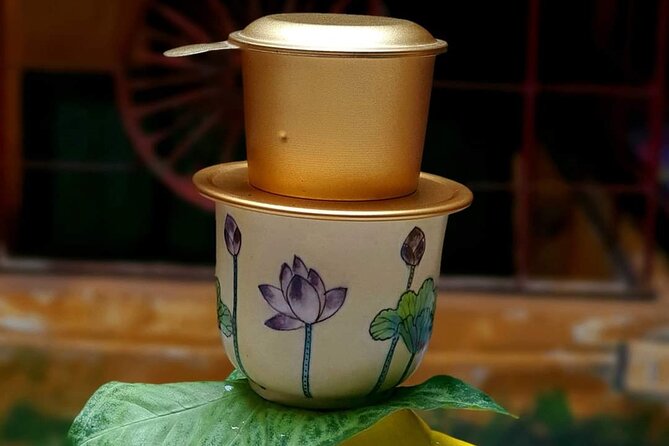
- Hands-on brewing: how the dripping coffee technique works
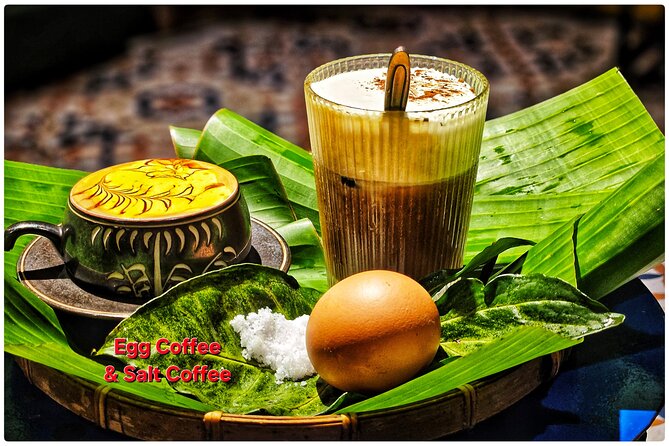
- Egg, coconut, and salt coffee: five cups, five lesson moments
- Egg coffee: a specialty that signals Hanoi’s comfort with bold flavors
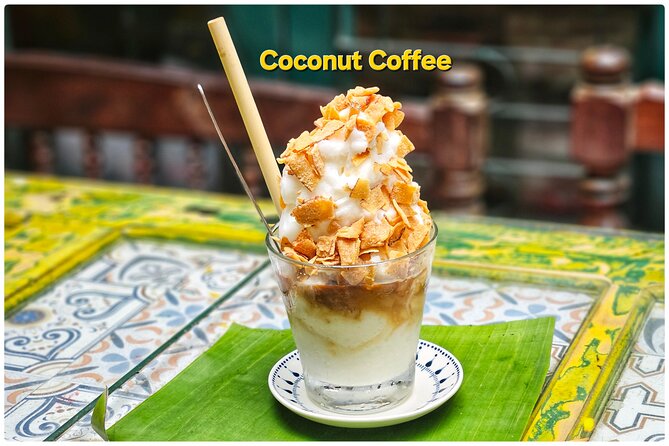
- Coconut coffee: a classic twist on familiar comfort
- Salt coffee: the surprise choice that can make sense
- Condensed milk coffee: the bridge between Hanoi style and what you expect
- Coffee culture and history, explained where it matters
- A realistic timeline: what fills the 2 hours
- Price and value check for $25 per person
- Who this coffee class suits best
- Should you book it? My decision guide
- FAQ
- How long is the Hanoi coffee class?
- What is the price per person?
- Where do I meet for the class?
- Is there a mobile ticket?
- What coffee types will I learn to make?
- How many people are in a group?
- Is confirmation provided after booking?
- Is the meeting point near public transportation?
- Who is the provider of the experience?
- Can I get a full refund if I cancel?
Key highlights you will remember
- Five Hanoi coffee styles: dripping black coffee, condensed milk coffee, plus egg, coconut, and salt coffee
- Hands-on practice making the drinks from scratch, not just watching
- Hidden Gem Cafe Hanoi as the class base, with eco-friendly recycling touches
- Coffee culture and history context tied directly to what you are brewing
- Small group size (max 8) for better attention and smoother pacing
- Healthy, organic Vietnamese cuisine and snack time that can round out the experience
Narrowing it down? These Hanoi tours kept surfacing in our reviews.
- Hanoi Jeep Tour: Food, Culture and Fun by Vietnam Army Jeep★ 5.0 · 15,222 reviews
- Full-Day Ninh Binh Highlights Tour from Hanoi★ 5.0 · 7,761 reviews
- Hanoi: Ha Long Bay Day Cruise – Swimming, Meal, Kayaking★ 4.7 · 7,415 reviews
- Hanoi: Water Puppet Show Tickets★ 4.6 · 7,029 reviews
Where the class starts: an eco-friendly coffee shop in Hanoi’s Old Quarter
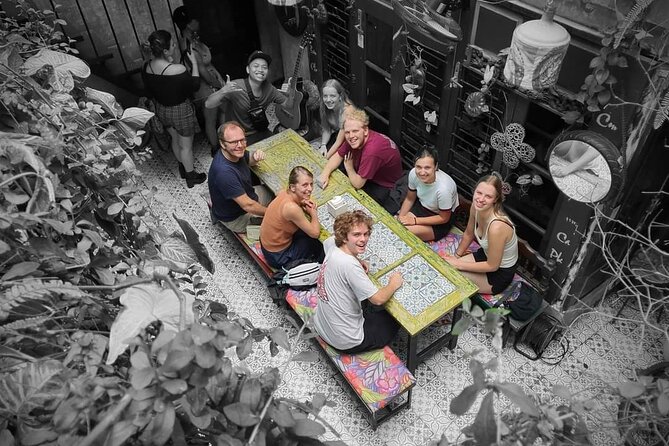
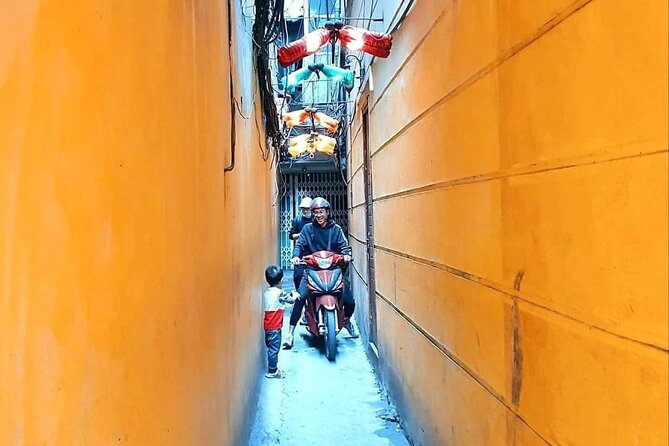
You will meet at Hidden Gem Cafe Hanoi, 1 Hàng Mắm, in Hoàn Kiếm, right in the Old Quarter area. The location matters because it keeps the whole experience grounded. You are learning coffee in the kind of place Hanoi locals actually step into for a break.
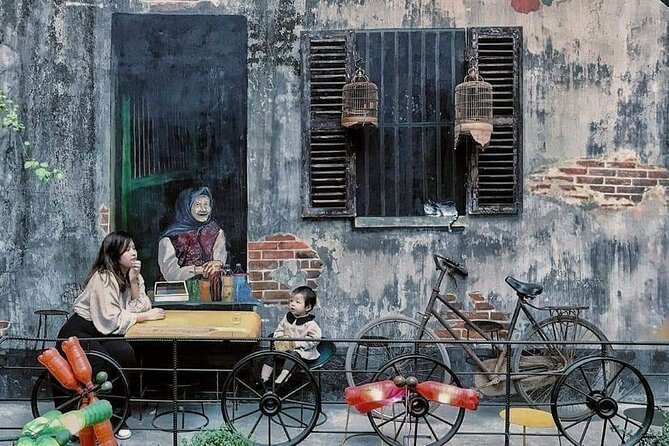
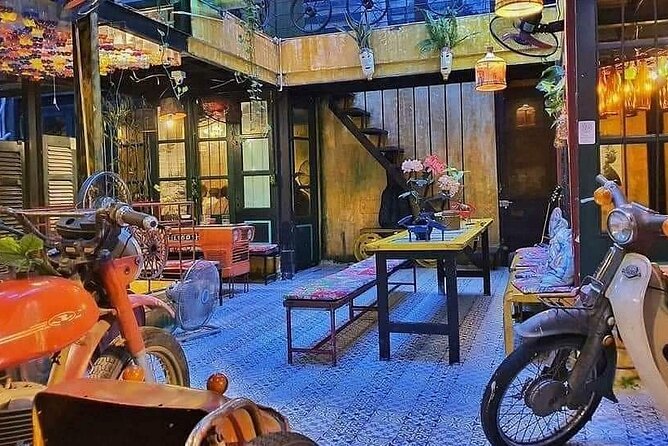
The cafe itself is described as eco-friendly and built around recycling furniture and decorations. That gives you an easy entry point into the class. Before you ever brew your first cup, you are already in a space that values reuse, not waste, and that attitude fits the tea and coffee culture here, where everyday details tend to matter.
This is also a practical setup. You get a mobile ticket, the meeting point is near public transportation, and the group stays small. If you are trying to plan a day that also includes walking Old Quarter streets, you can build this class into your schedule without needing a complicated detour.
Hands-on brewing: how the dripping coffee technique works
The star of the show is learning dripping coffee, the classic Hanoi method you see in countless cafes, but rarely learn step-by-step as a visitor. The class is built around teaching you the technique, then letting you make it yourself. That hands-on part is the difference between taking photos and actually understanding the craft.
In your session, you should expect a mix of how-to and guidance. The goal is not just to make something drinkable. It is to learn what to watch for while coffee is dripping, so you can produce a cup with the right strength and balance for Vietnamese style.
The nice part is that dripping coffee is a skill you can carry home in spirit, even if your tools are different later. When you know what timing and process changes, you can troubleshoot your own future cups. Even if you never recreate the exact hardware, you will understand why this style feels different from many Western brews.
Egg, coconut, and salt coffee: five cups, five lesson moments
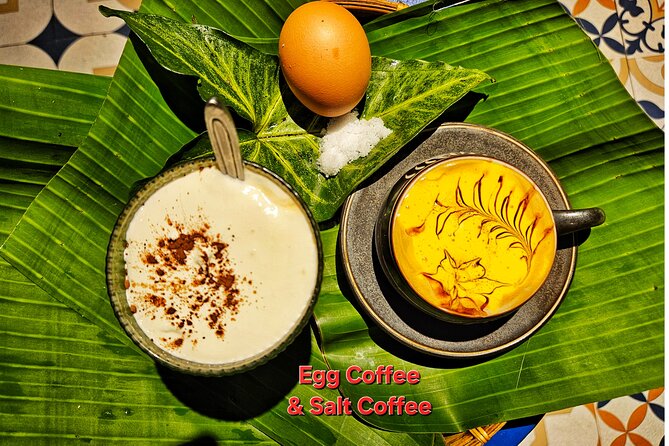
The class teaches multiple variations, and you will end up making several of them during the workshop. The lineup includes egg coffee, coconut coffee, and salt coffee, plus dripping black coffee and coffee with condensed milk. That structure is smart. It keeps you from learning one style only, and it shows how Hanoi coffee culture can feel playful while still being traditional.
You will learn each variation as its own mini lesson. That means you are paying attention to how ingredients affect the cup, how the texture changes, and how sweetness and savoriness show up depending on the style. It also makes the tasting more fun because you are not swapping to something totally different each time. You are staying within the same coffee universe.
Egg coffee: a specialty that signals Hanoi’s comfort with bold flavors
Egg coffee is one of the best-known Hanoi specialties. In the class, you will learn to prepare it as a variation of the Vietnamese coffee tradition you are already practicing. The value here is learning the method behind the fame, not just hearing that it exists.
You also get a real-time comparison with the other drinks you make. That lets you taste how egg coffee feels compared with the simpler dripping black coffee baseline. If you like your coffee smooth and a little richer, this is often the style people look forward to.



Coconut coffee: a classic twist on familiar comfort
Coconut coffee is another signature variation taught in this class. The practical payoff is that you learn how a named ingredient changes the drink experience. You are not guessing later. You are tasting what you made, then relating it back to technique and flavor balance.
If you normally avoid super strong coffee, coconut can be a gentle entry. It also works well if you want something that feels a little more dessert-like without being fully in the realm of sweet drinks.
Salt coffee: the surprise choice that can make sense
Salt coffee sounds odd until you try it in context. That is exactly why it belongs in a class like this. You are learning the style, not just treating it like a novelty.
By the time you reach salt coffee, you already practiced dripping coffee and worked with condensed milk, so you have a baseline. That makes salt coffee easier to appreciate. It is not random experimentation. It is part of how Hanoi flavors can shift from sweet to savory and back again.
Condensed milk coffee: the bridge between Hanoi style and what you expect
Condensed milk appears in the class as one of the variations you prepare. This matters even if you do not usually order condensed milk coffee, because it gives you a bridge. You understand the sweetness level quickly, then you can track how the other specialty coffees diverge.
It also helps you decide what you actually like, versus what sounds cool. Sometimes egg, coconut, or salt coffee catches attention first, but condensed milk might become the style you would reorder later.
Coffee culture and history, explained where it matters
This class is not only about technique. You also get insights into Vietnamese and Hanoi coffee culture and history connected to the drinks you make. The best classes do this by tying context to the moment in front of you, and that is the vibe here.
What you should look for is meaning you can use. For example, you are learning why these specialties became popular in Hanoi and how they fit local coffee routines. That turns your experience from a one-time tasting into something that helps you order with confidence later.
You will also hear how Hanoi’s coffee culture shaped everyday habits around cafés and conversations. It is the kind of context that makes the Old Quarter feel less like a theme park. Even if you stay only a short time in the cafe, you leave with better instincts for how people actually use it.
And yes, the tone tends to be friendly. Past participants highlight engaging teaching and a warm host experience. Names like John and Riley show up in the kind of class atmosphere people describe, so expect an instructor who talks clearly and keeps the pace moving.
A realistic timeline: what fills the 2 hours
Your class runs about 2 hours and ends back at the meeting point. There is no long walking segment, no side trip, no waiting around at a distance. Most of your time is used for instruction, prep, and making the drinks you learn.
A helpful way to picture your visit:
- You start at the cafe, meet your instructor, and get introduced to the coffee-making approach.
- You move into the technique focus for dripping coffee, then build outward.
- You prepare the specialty variations, including egg, coconut, salt coffee, and condensed milk coffee.
- You taste what you made, often along with a snack.
That last part is worth noting. One of the practical perks is that you can pair the coffee with a snack. If you show up hungry, that helps you avoid the post-class slump when you step back into the street.
Price and value check for $25 per person
At $25 per person, this class sits in the sweet spot for value in Hanoi. You are not paying for a passive museum-style demonstration. You are paying for a structured workshop where you make multiple coffees in a small group.
Here is the value math that matters:
- You learn several classic styles, not just one.
- You get hands-on practice, which is what you actually want from a class like this.
- You get an eco-friendly, characterful setting that feels like Hanoi, not like a generic studio.
- You also get cultural explanation, so your tasting has context.
A potential drawback for value is simple. If you are only a coffee-orderer and not a coffee-learner, you might find you prefer a regular cafe sit-down. But if you like learning how things are made, this price makes sense because you leave with the experience plus the flavor comparisons.
Who this coffee class suits best
This experience is a strong fit if you:
- Want a small, focused activity in the Old Quarter, not a long day plan
- Like hands-on workshops more than show-and-tell
- Want to try Hanoi specialties like egg, coconut, and salt coffee without guessing how to order them later
- Enjoy eco-minded places, especially those that repurpose and reduce waste
It is also a good choice for solo travelers who want conversation. With a max group size of 8, you are less likely to feel like a number.
If you are a heavy coffee purist who wants very technical brewing science, you might find the class more culture-and-technique than lab-level chemistry. Still, the practical skill of making the drinks yourself is usually the part that sticks.
Should you book it? My decision guide
Book this Hanoi coffee class if your goal is to learn how to make Hanoi-style coffee specialties and enjoy the process in a small, friendly setting. You get five types of coffee you can actually taste and compare, plus guidance that helps you understand the culture behind them.
Skip it if you only want a quick caffeine hit and you hate structured classes. In that case, you can probably get your coffee anywhere. But if you want a real experience with technique, tasting, and context, this is an efficient way to spend a couple of hours in Hanoi.
FAQ
How long is the Hanoi coffee class?
The class lasts about 2 hours.
What is the price per person?
The price is $25.00 per person.
Where do I meet for the class?
You meet at Hidden Gem Cafe Hanoi, 1 Hàng Mắm, Phố cổ Hà Nội, Hoàn Kiếm, Hà Nội, Vietnam.
Is there a mobile ticket?
Yes, the experience includes a mobile ticket.
What coffee types will I learn to make?
You will learn dripping black coffee, coffee with condensed milk, and Hanoi specialties including egg coffee, coconut coffee, and salt coffee.
How many people are in a group?
The maximum group size is 8 travelers.
Is confirmation provided after booking?
Yes, confirmation is received at the time of booking.
Is the meeting point near public transportation?
Yes, it is near public transportation.
Who is the provider of the experience?
The provider is Hanoi Backstreet Tours – REAL.
Can I get a full refund if I cancel?
Yes. Free cancellation is available up to 24 hours in advance for a full refund.
If you want, tell me your travel dates and what coffees you usually like (strong, sweet, or unusual). I can suggest which style to pay attention to first during the class.
Other Hanoi tours our reviewers keep coming back to
- Hanoi Vespa After Dark Street food + Train Street+ Live Music
★ 5.0 · 18 reviews - (Free Pick-up) Vietnamese Body Massage in Hanoi City
★ 5.0 · 18 reviews - The Insider’s Hanoi,Train Street, Countryside Highlight by Vespa
★ 5.0 · 18 reviews - Skip the line: Thang Long Water Puppet Theater Entrance Tickets
★ 4.0 · 18 reviews - Hanoi Street Food Tour and MORE
★ 5.0 · 18 reviews - Hanoi – Hoa Lu – Tam Coc – Mua Cave – 1 Day / By Luxury Limousine & Small Group
★ 5.0 · 18 reviews
Coffee Experiences, compared.
 ★ 4.9Hoi An: Vietnamese Coffee Culture and Coffee Making ClassFrom $144,006 reviews
 ★ 5.0Hanoi Coffee Experience: 6 Brews, 9 Recipes & 3 Liquor TastingsFrom $172,945 reviews
 ★ 5.0Hanoi Coffee Workshop: Taste Salt, Coconut and Egg CoffeeFrom $161,286 reviews
 ★ 5.0Hanoi: Salt Coffee Workshop Awake Your Senses With 6 BrewsFrom $23792 reviews
 ★ 5.0Early Morning My Son Sanctuary Trip w. Champa Food & CoffeeFrom $21629 reviews
 ★ 5.0Vietnamese Culture and Coffee Making ClassFrom $15497 reviews
 ★ 4.9Hanoi: Vietnamese Street Food Tour with Egg CoffeeFrom $24315 reviews
 ★ 5.0Da Nang Cooking Class with Coffee Tasting and Market VisitFrom $45310 reviews
Also in these Vietnam lists