
REVIEW · HOI AN ANCIENT TOWN TOURS
Cooking with Jolie in Hoi An
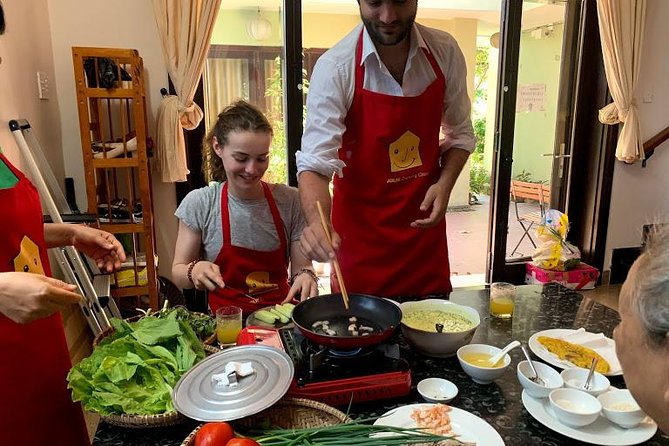
Cooking in Hoi An is fun, but this one is personal. You get a market-to-lunch morning, then you cook four traditional Vietnamese dishes at a local family home. It’s the kind of class where you don’t just watch, you actually do the work and take real techniques home.
I also like the small-group vibe. Guides like Rosie and Hannah are known for keeping things friendly, interactive, and easy to follow, even if you have zero cooking experience. The one thing to consider is that there’s no pick up or drop off included, so you’ll want to plan how you get to the meeting point in Tân An.
In This Review
- Key highlights you’ll care about
- Hoi An Ancient Town Stop, the “before cooking” reality check
- Japanese Covered Bridge Stop: Fast photos, then back to practical life
- Chuc Thanh Pagoda: a calm pause between sights and your stove time
- From fresh ingredients to lunch in Jolie’s family home
- What “four traditional dishes” really means for you
- Market and coffee stops: why this part boosts your cooking
- Vegetarians welcome, with real cooking instead of a side swap
- What you learn and keep: techniques you can use back home
- Timing, logistics, and how to make the day feel easy
- Price and value: is $55 fair for a home-cooked class?
- Who should book this cooking class in Hoi An?
- Should you book Cooking with Jolie in Hoi An?
Key highlights you’ll care about
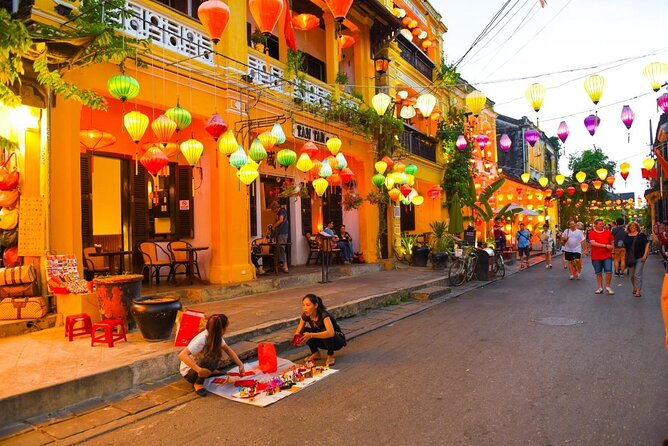
- Market and farm shopping first so you start with ingredients you can actually name and spot
- Four dishes in one class with step-by-step guidance from the chef and helpers
- Small group size limited to 10 or fewer (up to 12), which makes questions easy
- Coffee, tea, water, and lunch included so you’re not hunting for meals during the experience
- Vegetarian-friendly cooking using vegetarian ingredients, not a sad afterthought
Deeper into the Ancient Town
- Hoi An: Basket Boat Ride in the Coconut Forest★ 4.9 · 4,956 reviews
- Hoi An: Vietnamese Coffee Culture and Coffee Making Class★ 4.9 · 4,006 reviews
- Hoi An: Vietnamese Foldable Lantern Making Class★ 4.9 · 3,742 reviews
- Cooking Class Hoi An:Local Market, Basket Boat, Fishing & Cooking★ 5.0 · 3,660 reviews
Hoi An Ancient Town Stop, the “before cooking” reality check
Hoi An Ancient Town is the easy warm-up before you head into food mode. You’ll see the area on foot, and it’s a good way to get oriented if your first day in town feels like sensory overload. Think of it as setting the scene, not turning it into a history lecture.
One practical perk here is pacing. By the time you move on to the next sights, you’re already in “walking shoes” mode. That matters because the cooking part is hands-on and you’ll be happier if you’re not trying to manage sore feet while chopping herbs later.
A possible drawback is simple: if you’re not into walking through busy tourist streets, this stop may feel more like a routing stop than a top memory. Still, it helps set up the day’s rhythm and makes the class feel grounded in the town you came to explore.
Japanese Covered Bridge Stop: Fast photos, then back to practical life
The Japanese Covered Bridge is one of those Hoi An sights that looks great in photos, even when you’re not hunting for angles. You’ll get a chance to pause, look around, and get the classic view, then keep moving.
Why I like this kind of stop for a cooking class day: it keeps you from burning your entire morning on sightseeing. You stay in a travel rhythm that makes sense, quick sight now, hands-on cooking soon after.
The consideration: it can be crowded depending on the time of day. If you’re sensitive to tight spaces, come ready for a slower shuffle and don’t plan on a long sit-down here.
Chuc Thanh Pagoda: a calm pause between sights and your stove time
Chuc Thanh Pagoda adds a quieter feel to the morning. It’s a respectful reset before the action starts in the kitchen. Even if you’re only there briefly, it changes the tone of the day from street sights to something more grounded.
This stop is also helpful for timing. If you’ve been in Hoi An long enough to feel like everything is shop, shop, shop, a pause like this gives your brain a breather before you start chopping and tasting.
Bring the basics you’d bring anywhere of worship: modest clothing and a respectful attitude. You don’t need to overthink it, but it makes the experience smoother and more comfortable.
From fresh ingredients to lunch in Jolie’s family home
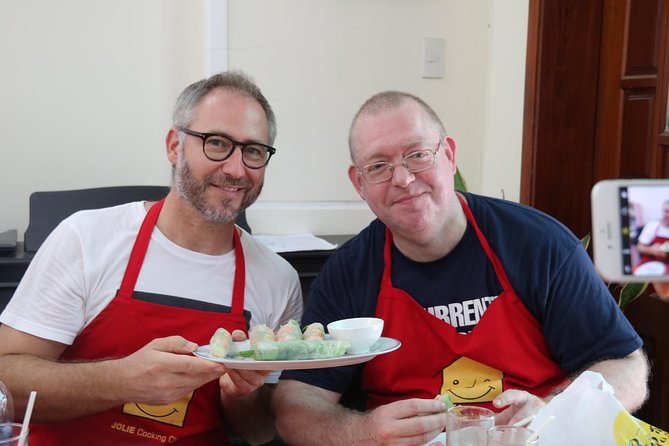
This is the part you’re really booking. Cooking with Jolie in Hoi An is a home cooking class, in a place where Jolie’s family lives with travelers from around the world. That family setting is the difference between a generic demo and an experience that feels like real life.
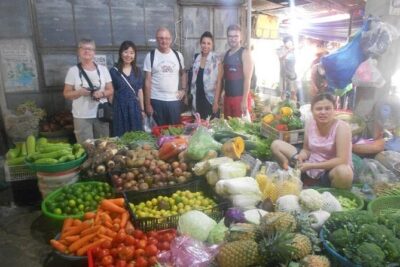
You’ll start by picking fresh ingredients at a farm and market. In practice, that can mean stops that focus on herbs and produce from places like the Tra Que vegetable village, followed by a local market. You’ll also grab coffee before you cook. That ordering matters. You build flavor knowledge first, then cooking feels less like following steps and more like understanding what you’re doing.
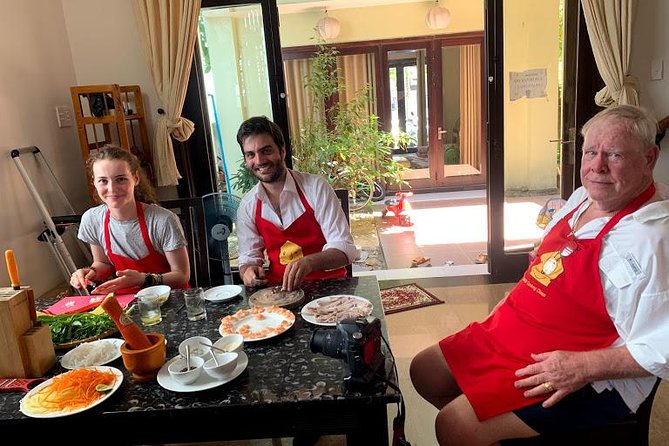
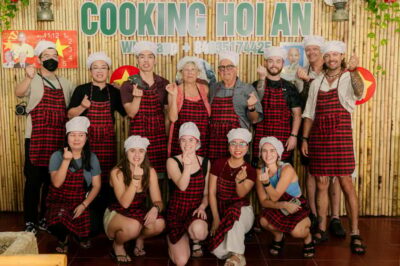
Then you move into the cooking itself, usually as an actively guided session with a professional chef and helpers. The class is designed for small groups, so you’re not shouting across a room for help. Guides like Rosie and Hannah are known for making techniques feel doable, and that shows up in how they explain things and check that you’re on track.
And yes, you eat what you make. Lunch is included, and the class is set up so your meal is the reward for the work, not an optional add-on.
What “four traditional dishes” really means for you
Even without dish names listed here, the structure is what matters. You should expect a lineup where you practice different parts of Vietnamese cooking, not just one style repeated four times. That’s how you end up with real confidence to cook later.
In past sessions, guests have done fun technique moments like shaping garnishes from tomato skins (yes, they can turn into flower-like bits) and tackling skill points such as flipping pancakes. You’ll also get plenty of hands-on practice, so you’re not stuck watching while your hands do nothing.
If you’re worried about not knowing Vietnamese cooking basics, don’t. The class is built for beginners. You’re learning both method and pacing, the two things people usually miss when they only cook from recipes at home.
Market and coffee stops: why this part boosts your cooking
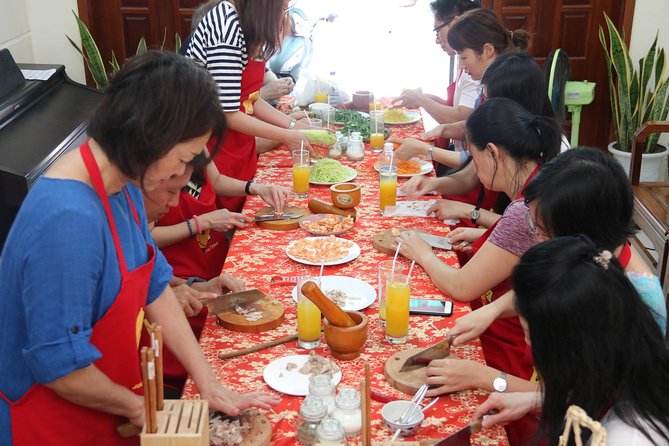
Most cooking classes start with ingredients sitting on a table. This one starts with you seeing the ingredients where they come from, at a market and a farm source. That gives you a memory you can use later. You’ll know what fresh herbs look like when you buy them, and you’ll understand why certain ingredients are chosen.
The coffee stop is also more than a caffeine break. You get a short pause that fits the morning flow, and it helps you reset before you cook. It’s the small kindness that makes the whole day feel easier.
Here’s my practical advice: come hungry. A lot of the fun is in sampling and tasting as you go, plus lunch is included. If you show up with a full breakfast, you’ll lose some of the payoff of that market-to-table sequence.
Vegetarians welcome, with real cooking instead of a side swap
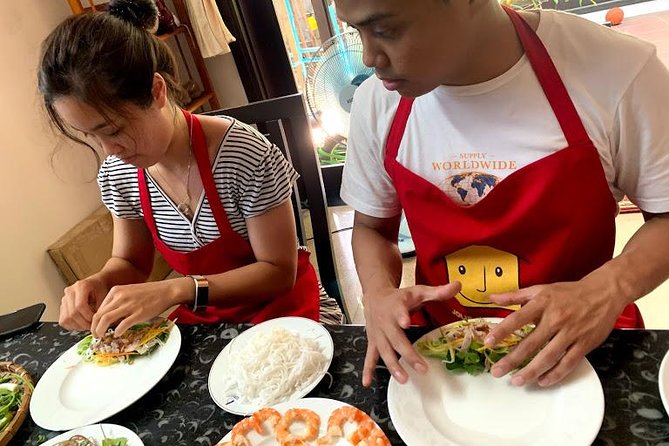
Good news: the cooking class can accommodate vegetarians with vegetarian ingredients. That means you’re not just eating around the food you’re cooking, you’re participating with an option that fits vegetarian needs.
The key detail is that the class explicitly welcomes vegetarians, so the plan is meant to work for you. The better classes treat vegetarian cooking as a full menu choice, not a fallback. This one aims for that, and it’s reflected in how the session is set up for different diets.
If you’re strict vegetarian, tell the team clearly when you book. The info you have here says vegetarian ingredients are available, but you should still be specific about what vegetarian means for you.
What you learn and keep: techniques you can use back home
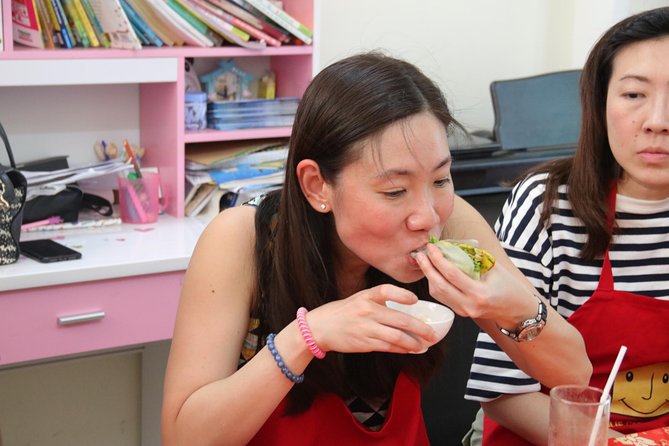
The best cooking classes give you confidence, not just recipes. This one is built around learning techniques from the chef and guide, so you can repeat the process later.
Based on how the class runs, you’ll likely learn:
- knife and prep basics for herbs and vegetables
- how to build flavor through ingredient choice before heat hits
- timing skills, so dishes don’t overcook while you’re busy
- presentation touches that make Vietnamese food feel special, like edible garnishes
The interactive feel also helps. In several past sessions, guests had fun with small competitions and playful challenges. That might sound like fluff, but it has a real purpose. It keeps you focused during cooking steps that are easy to mess up when you’re nervous.
And you’ll likely taste along the way, including juices and fruit-style dessert elements mentioned in class experiences. That matters because you learn what “right” tastes like, not just what the dish looks like.
Timing, logistics, and how to make the day feel easy
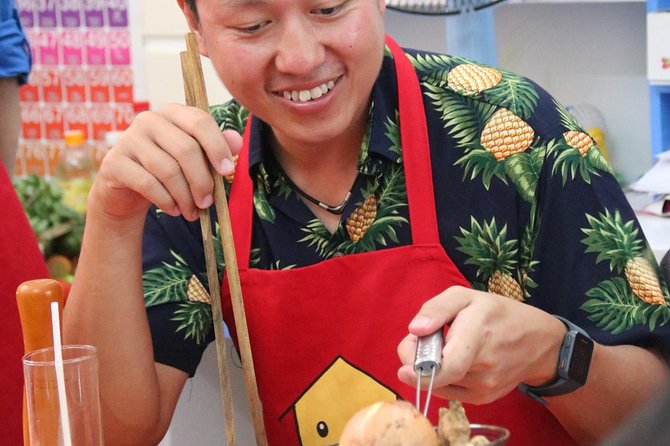
Duration is about 5 hours. It’s long enough to shop, cook, and eat properly, and short enough to still enjoy the rest of Hoi An afterward.
The biggest logistics point is that pickup and drop off are not included. You’ll meet at 14 Lưu Trọng Lư, Tân An, Hội An, Quảng Nam 560000, Vietnam, and the activity ends back at the same meeting point. Plan your route accordingly, and give yourself a little buffer time.
Also note that this experience works best in good weather. If conditions are poor, it may be rescheduled or refunded. That’s not in your control, so build in some flexibility if your schedule is tight.
Finally, this is a mobile ticket experience. Keep your confirmation handy on your phone, and you’ll be set.
Price and value: is $55 fair for a home-cooked class?
At $55 per person, this class isn’t the cheapest activity in Hoi An. But it does include the parts that normally cost extra if you plan them yourself. Lunch is included, plus water, tea, and coffee.
If you try to replicate this day on your own, you’d pay for:
- ingredient sourcing time and market access
- a skilled teacher and kitchen setup
- lunch built from what you bought
You’re paying for the convenience and the guidance. And because it’s small-group cooking in a family home, you’re not stuck in a giant class where your questions get ignored.
The other value piece is learning. When a class is done well, you end up with cooking confidence, and that turns the cost into something you can use for months. With this one, the goal is clearly hands-on technique, and the best feedback to look for is confidence you can use at your own stove.
Consider the added surcharge if your date falls on a public holiday, when a $9 per person charge may apply onsite. If you’re booking close to peak dates, factor that into your total.
Who should book this cooking class in Hoi An?
You’ll get the most out of this experience if you want:
- hands-on cooking, not a passive show
- a home-style Vietnamese meal that feels tied to local life
- a guided market and ingredient shopping experience
- small-group attention and beginner-friendly instruction
It’s also a great fit if you’re traveling with friends or family and want one shared activity everyone can participate in. If you’re the adventurous eater in your group, this one gives you a concrete way to explore Vietnamese flavor, not just sample it.
If you’re only interested in big-ticket sightseeing, you might find the cultural stops brief. But even then, the cooking portion is the main event, and that’s where the value sits.
Should you book Cooking with Jolie in Hoi An?
I think you should book it if you want a real home cooking experience, small-group teaching, and the chance to come away with skills you can actually repeat. The market and coffee start makes the lunch taste more meaningful, and the vegetarian-friendly setup makes it easier to bring along different eaters.
Skip it only if you hate walking around town before class, or you don’t want to handle meeting-point logistics. Also, if you’re the type who only likes classes that list dish names in advance, you may want to ask what the four dishes will be for your specific session.
If you want one morning in Hoi An that turns into a practical memory, this is a strong pick.
Hoi An, Still More
- Hoi An: Basket Boat Ride in the Coconut Forest★ 4.9 · 4,956 reviews
- Hoi An: Vietnamese Coffee Culture and Coffee Making Class★ 4.9 · 4,006 reviews
- Hoi An: Vietnamese Foldable Lantern Making Class★ 4.9 · 3,742 reviews
- Cooking Class Hoi An:Local Market, Basket Boat, Fishing & Cooking★ 5.0 · 3,660 reviews
- Hoi An Cooking Class(Market,BasketBoat Crabfishing&Cooking Class)★ 5.0 · 3,386 reviews
Other Hoi An tours our reviewers keep coming back to
- 3 Hours Motorbike Tour in Hoi An Countryside.
★ 5.0 · 18 reviews - My Son Sanctuary Discovery Half day Private Tour
★ 5.0 · 18 reviews - Hoi An local food tour – enjoy taste of Vietnam at ancient town!
★ 5.0 · 18 reviews - Experience Cooking Class for Lunch or Afternoon With Local Chef
★ 5.0 · 18 reviews - HOI AN Vegetable Village, Basket Boat, Palm Forest PRIVATE TOUR
★ 5.0 · 18 reviews - Hoi An Countryside Tour with Bamboo Basket Boat Rowing , Buffalo Ride, Farming
★ 5.0 · 18 reviews
Hoi An Ancient Town Tours, compared.
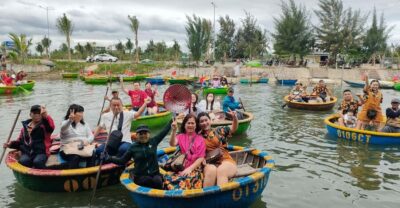 ★ 4.9Hoi An: Basket Boat Ride in the Coconut ForestFrom $34,956 reviews
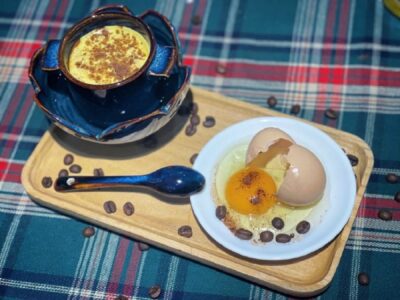 ★ 4.9Hoi An: Vietnamese Coffee Culture and Coffee Making ClassFrom $144,006 reviews
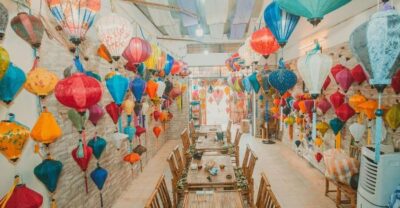 ★ 4.9Hoi An: Vietnamese Foldable Lantern Making ClassFrom $103,742 reviews
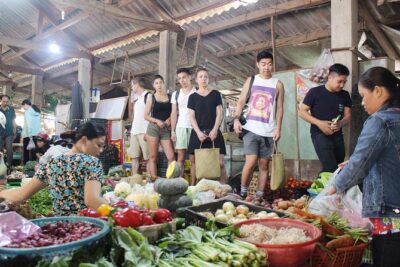 ★ 5.0Cooking Class Hoi An:Local Market, Basket Boat, Fishing & CookingFrom $283,660 reviews
 ★ 5.0Hoi An Cooking Class(Market,BasketBoat Crabfishing&Cooking Class)From $283,386 reviews
 ★ 5.0Hue to Hoi An ( Hoi An to Hue) Top Gear with Lefamily Riders Tours ( 1 way)From $503,156 reviews
 ★ 4.9Hoi An: My Son Sanctuary Early Morning w. Champa Food BrunchFrom $202,750 reviews
 ★ 4.8From Hoi An: Market Tour, Basket Boat Ride and Cooking ClassFrom $172,208 reviews
Also in these Vietnam lists