
REVIEW · TREKKING AND VILLAGE HOMESTAYS
3 Day 2 Night Trek
A 3-day trek that feels like real life. If you want Sapa beyond the main roads, this route links tribal villages with rice-terrace walking and homestay evenings with Giang and her family. I love how the guides steer you away from the usual tourist lanes, and I especially like the hands-on family time, with meals and mountain evenings built into the experience. The one thing to consider is the trek pace, it suits people with moderate fitness, and it depends on good weather.
From the start, I found the planning to be the difference maker, with Giang helping shape timing and even practical steps like getting to Sapa from Hanoi. Her family also helps run the experience, so you’re not just dropped onto a trail. If you’re hoping for a luxury, highly regimented trip, this one is more basic and more local, by design.
In This Review
- Quick hits on this Sapa Tribal Trek
- Why This Sapa Hike Feels More Personal Than a Checklist
- Giang’s Planning Helps You Get Started Right
- Day One: Y Linh Ho to Lao Chai, then Ta Van Sunset
- Day Two: Bamboo Forest Views, Red Dzao Stops, and Ban Ho Check-in
- Day Three: Sunrise in Ban Ho, Nam Toong Villages, and Back to Sapa
- Homestays, Meals, and Rice-Wine Evenings (The Real Reason People Remember This)
- Price and Value: What $180 Buys (and Why It’s Not Just a Hike)
- Pacing, Weather, and Fitness: The Practical Stuff That Can Make or Break Your Day
- Who Should Book This Trek, and Who Might Want Something Easier
- Should You Book Sapa Tribal Trekking?
- FAQ
- What is the start time for the trek in Sapa?
- Where is the meeting point?
- Is this trek private?
- What meals are included?
- Where do I stay during the trek?
- How much trekking happens on day one?
- Do I need a certain fitness level?
- Is travel insurance included?
- What if the weather is bad?
- Is cancellation free?
Quick hits on this Sapa Tribal Trek
- English-speaking local guides who focus on Sapa’s surroundings, history, culture, and the tribes you meet
- A trail that avoids other tourist routes, so your views feel calmer and more personal
- Homestays in local houses, with wifi and hot showers noted for homestay options
- Village circuit across multiple ethnic groups, including Hmong, Dzay, Red Dzao, Tay, and more stops along the way
- Meals are included across the trek (2 breakfasts, 3 lunches, 2 dinners)
- Your booking supports local H’mong guides and families with fair-wage opportunities in a high-poverty region
Sleep in a village, walk between them
- Hanoi – Sapa 2 Days 1 Night Overnight At Homestay★ 5.0 · 899 reviews
- From Hanoi: 2-Day Sapa Trekking Trip with Homestay & Meals★ 4.8 · 704 reviews
- Sapa 3 Days 2 Nights Trekking Tour (1 Night In Ta Van Village, 1 Night In Hotel)★ 5.0 · 699 reviews
- 3-Day Trekking Adventure of Sapa from Hanoi – Stay Ta Van Village★ 5.0 · 611 reviews
Why This Sapa Hike Feels More Personal Than a Checklist
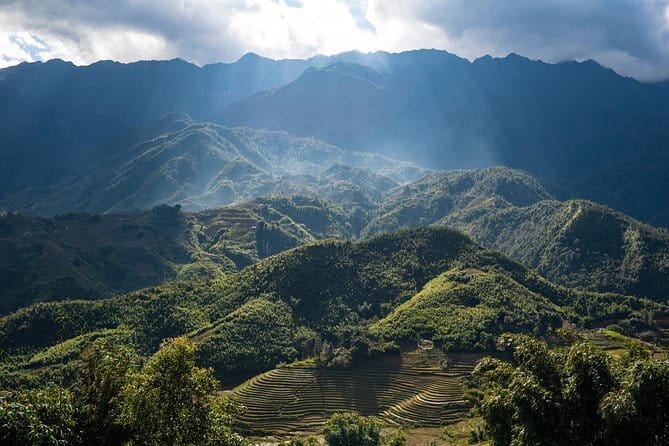
This trek is built around people, not just scenery. You walk through the rice terraces and valleys of the Hoang Lien Son region, then meet the communities that live there year-round. The tour style matters, because the route is designed to avoid the most crowded paths, which means you spend more time walking and talking, not dodging other groups.
One of the biggest wins is the mix of ethnic groups you encounter over just three days. You’re not only seeing villages from a distance. You’re learning how locals live, cook, farm, and celebrate mountain life, then returning to a homestay where the day’s walking turns into real conversation by the fire.
Still, it is a trekking experience. The days include walking time and uneven mountain paths, so if you want everything flat, fast, and predictable, you’ll need to reconsider.
Giang’s Planning Helps You Get Started Right
A good trekking guide does two jobs. First, they lead the route. Second, they reduce your stress before you even hit the trail. In the case of this tour, Giang comes up again and again, especially for making travel to Sapa easier from Hanoi.
Giang has helped with practical timing and logistics, including suggesting ways to get from Hanoi to Sapa. One review also notes she arranged a taxi pick-up from a bus office and helped with luggage storage. That kind of help matters because in real life, the hardest part is often not the hike, it’s the handoffs between transport, lodging, and starting point.
On the trail, the guide network stays close to your group. Even when family members like Zo and Ma are involved, the goal is the same: keep the pace comfortable, match the route to your needs, and explain what you’re seeing while you’re walking.
Day One: Y Linh Ho to Lao Chai, then Ta Van Sunset
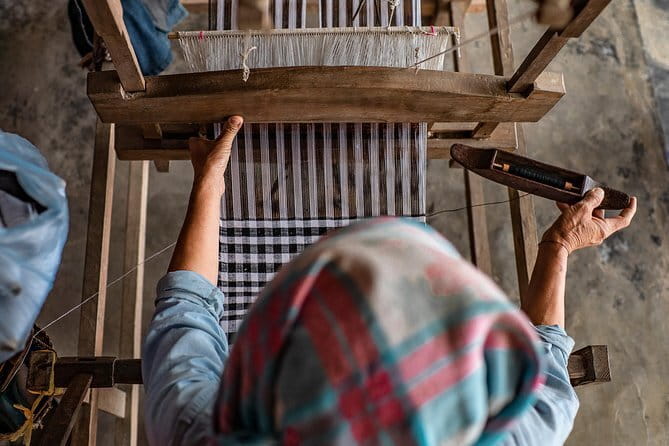
Day one starts with the idea of color and context. You’ll experience traditional costumes from several ethnic groups, including H’Mong, Dzao, Tay, Zay, and Xa pho. It’s not just a quick photo stop. You get the sense that clothing, craft, and daily life are tied together in this region.
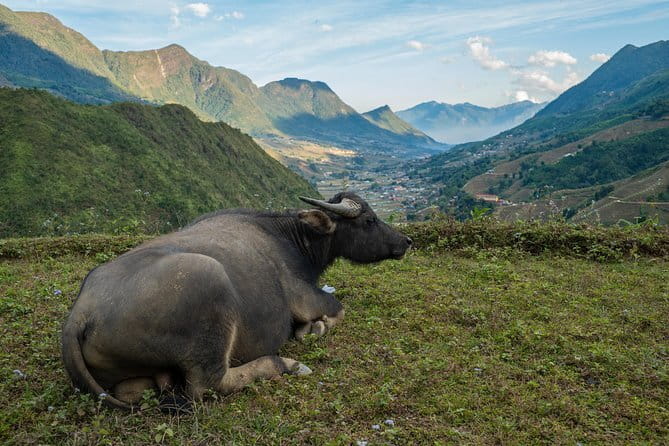
After lunch, the trekking begins through rice terraces and along Muong Hoa Stream. Your walk takes you to the Black Hmong village of Lao Chai, with the Hoang Lien Son area forming the backdrop. This is the day when the “wow” factor is mostly earned by walking, not by jumping on a bus to a viewpoint.
The trek continues toward Ta Van village, where Dzay ethnic people live. Late afternoon arrival sets up a calmer mood than an earlier schedule, and it makes the homestay check-in feel like a landing, not an interruption. You’ll settle into your homestay or local house, meet the host family, and watch the sunset from a mountain setting.
Trek details: about 12 kilometers and around 3.5 hours for the main walking portion on day one. That’s a solid intro day, but still manageable if you’re used to regular walking.
Day Two: Bamboo Forest Views, Red Dzao Stops, and Ban Ho Check-in
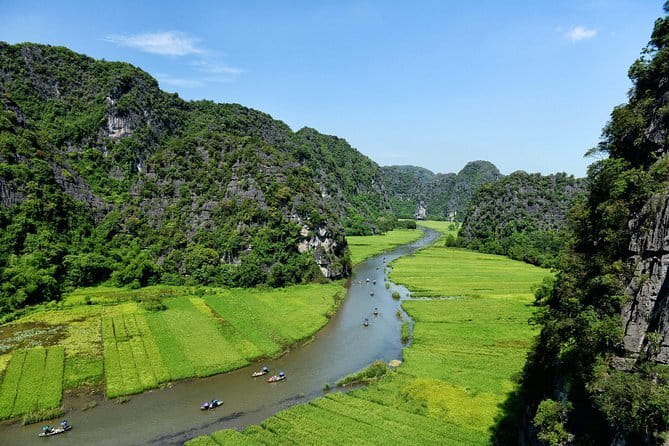
Day two starts the way mountain homestays often do, with breakfast prepared by your host family. Then you head back out through the rice fields, where the scenery changes as the light shifts. This is also one of the quieter days on the route, since the plan is to keep you off busy tourist lanes.
You’ll trek through a bamboo forest, then stop for panoramic views toward Ta Van and Giang Ta Chai, home of the Red Dzao people. That view break is important. It gives you time to breathe, look around, and understand how the villages sit across slopes and valleys.
Afterward, you continue trekking to Su Pan for lunch at the home of an H’Mong or Dzao family. This is one of those moments where the experience becomes more than walking. Sharing a meal in someone’s home is a simple thing, but it changes how you read the place you’re in.
The afternoon brings more rice-terrace walking along the valley, with peaceful scenery and fewer people around. Then you reach Ban Ho and check in at a Tay homestay. If you want to go beyond “see it and move on,” this is the day where you may join in farming or cooking local food with your hosts, or just enjoy dinner in a slower, private way.

Day Three: Sunrise in Ban Ho, Nam Toong Villages, and Back to Sapa
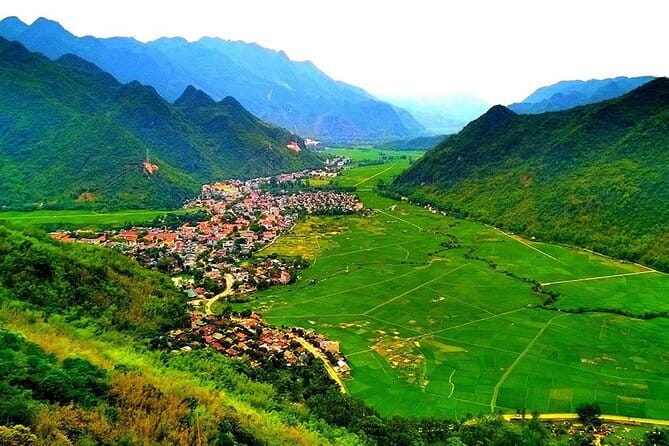
On day three, you’re up early enough for sunrise. In Ban Ho, you’ll have breakfast prepared by the family and get to see the mountain light before the walking rush begins.
From there, you trek through Nam Toong village, where Tay and Red Dzao people live. This part works well because you’re not only ticking through villages, you’re seeing how different communities share the slopes while living with the same mountain constraints: weather, water, land, and seasonal rhythms.
Lunch happens either at a restaurant or a local house, depending on the flow of the day. After meeting locals and learning their way of life, you head back to Sapa.
This “return” matters more than you might think. You’re not ending with a long, stressful transit plan. The tour ends back at the meeting point, and the day is organized so you can close out the trek with your schedule intact.
Homestays, Meals, and Rice-Wine Evenings (The Real Reason People Remember This)

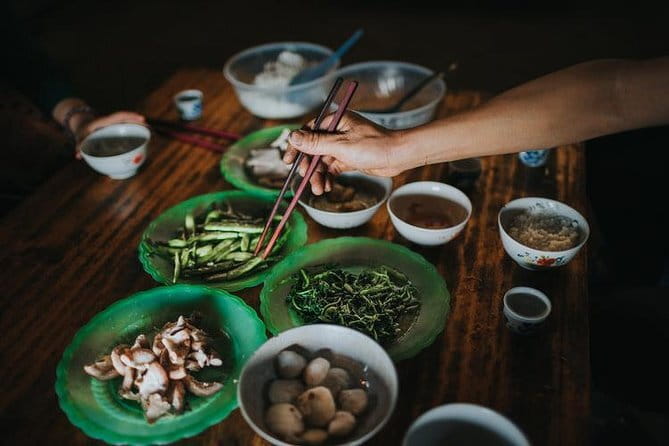
Food and lodging are where this experience goes from tourist to human. You stay in homestays or an authentic local house with a family. The tour description notes wifi and hot showers in homestay options, which is a practical comfort upgrade compared with many rural trekking trips.
Equally important is the shared downtime. You’ll check in, get to know your Dzay host family on day one, then meet the Tay families on day two and day three. That daily rhythm of greeting, walking, eating, and chatting is the point. You’re learning from people who have done the same routine for generations, not from a script.
Meals are included, and the mix covers the full trek stretch: 2 breakfasts, 3 lunches, and 2 dinners. Expect that some meals may happen with the family, and others may be in a restaurant, so your experience alternates between conversation and quiet.
One of the most memorable ideas from the tour style is the mountain evening by an open fire, with rice wine and local delights. It’s not just about the drink. It’s the slow social moment that turns a hike into a relationship with the place.
Price and Value: What $180 Buys (and Why It’s Not Just a Hike)

At $180 per person for about three days, this trek lands in the mid-range of Sapa tours, but it’s not a bargain based only on price. The value comes from the structure.
You’re paying for:
- English-speaking native local guides
- a multi-village trek route that avoids the busiest tourist paths
- multiple meals across three days
- homestay lodging with family interaction
- and, importantly, a model that supports local H’mong guides and families with fair wage opportunities
In a region where 70% of the population is below the poverty line, that last point is not marketing fluff. It changes who benefits when you book. Instead of money flowing through layers of intermediaries, it stays tied to the guides and hosts who put in the work.
Also, this tour is listed as private for your group. That usually matters because smaller group logistics often translate into a better pace and fewer compromises on timing.
One note: your start point is in Sapa, not Hanoi. So if you are building a full trip from Hanoi, budget a bit for getting to the meeting area.
Pacing, Weather, and Fitness: The Practical Stuff That Can Make or Break Your Day
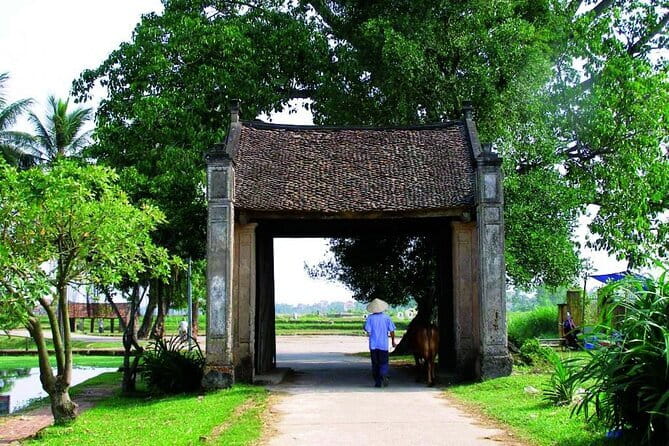
This trek is for travelers with moderate physical fitness. Day one alone is about 12 kilometers and around 3.5 hours, and the other days include additional walking through terraces, bamboo forest, valleys, and village paths. You don’t need to be an athlete, but you do need to be comfortable walking on uneven mountain ground for hours at a time.
Weather is also a real factor. The experience requires good weather, and if conditions are poor enough to cancel, you’ll be offered a different date or a full refund. That means your best strategy is to avoid locking your entire Sapa schedule around only this one trek date, if your trip has flexibility.
If you have medical conditions, the guidance is clear: consult a medical practitioner before booking. The tour doesn’t claim to be medical or specialized, so you’re responsible for matching the plan to your health.
Who Should Book This Trek, and Who Might Want Something Easier
This is a strong match if you:
- want tribal culture and village life, not only viewpoints
- like meeting families and walking with local guides who explain what you see
- enjoy homestay-style travel, and you’re okay with basic mountain routines
- appreciate a quieter route that reduces crowd energy
You might want a different type of tour if you:
- strongly prefer paved paths and short walks
- need guaranteed resort-level comfort and privacy
- don’t handle cold or changeable mountain weather well
If you’re traveling as a couple or a small group, the private format can feel especially worth it. You’ll have more say in timing and route pace when your guide adjusts to your needs.
Should You Book Sapa Tribal Trekking?
If your goal is Sapa as a living place, not a photo stop, I think you should book. The combination of English-speaking local guiding, multi-village routes, homestays with real family time, and meals included across the trek makes it easier to justify the cost.
The decision hinges on two things: your fitness and your weather tolerance. With moderate fitness and an open mind about rural lodging and daily rhythms, this is the kind of trek that sticks with you long after you return to smoother streets.
FAQ
What is the start time for the trek in Sapa?
It starts at 9:00 am.
Where is the meeting point?
The meeting point is at 690 Đường Điện Biên Phủ, TT. Sa Pa, Sa Pa, Lào Cai, Vietnam. The activity ends back at the meeting point.
Is this trek private?
Yes. It is listed as a private tour/activity, and only your group participates.
What meals are included?
Breakfast is included for 2 days, lunch for 3 days, and dinner for 2 days.
Where do I stay during the trek?
You stay in homestays or in an authentic local house with a local family. The overview also mentions wifi and hot showers with the homestay option.
How much trekking happens on day one?
Day one includes trekking of about 12 kilometers and lasts about 3.5 hours.
Do I need a certain fitness level?
The guidance is a moderate physical fitness level.
Is travel insurance included?
No. Comprehensive travel insurance is not included.
What if the weather is bad?
The experience requires good weather. If it is canceled due to poor weather, you will be offered a different date or a full refund.
Is cancellation free?
Yes. You can cancel up to 24 hours in advance for a full refund.
Walk, Then Stay
- Hanoi – Sapa 2 Days 1 Night Overnight At Homestay★ 5.0 · 899 reviews
- From Hanoi: 2-Day Sapa Trekking Trip with Homestay & Meals★ 4.8 · 704 reviews
- Sapa 3 Days 2 Nights Trekking Tour (1 Night In Ta Van Village, 1 Night In Hotel)★ 5.0 · 699 reviews
- 3-Day Trekking Adventure of Sapa from Hanoi – Stay Ta Van Village★ 5.0 · 611 reviews
- 3D and 2N Lan Ha Bay Cat Ba Island Kayaking & Trekking with Vega★ 5.0 · 593 reviews
Other Hanoi tours our reviewers keep coming back to
- Hanoi Vespa After Dark Street food + Train Street+ Live Music
★ 5.0 · 18 reviews - (Free Pick-up) Vietnamese Body Massage in Hanoi City
★ 5.0 · 18 reviews - The Insider’s Hanoi,Train Street, Countryside Highlight by Vespa
★ 5.0 · 18 reviews - Skip the line: Thang Long Water Puppet Theater Entrance Tickets
★ 4.0 · 18 reviews - Hanoi Street Food Tour and MORE
★ 5.0 · 18 reviews - Hanoi – Hoa Lu – Tam Coc – Mua Cave – 1 Day / By Luxury Limousine & Small Group
★ 5.0 · 18 reviews
Trekking and Village Homestays, compared.
 ★ 5.0Hanoi – Sapa 2 Days 1 Night Overnight At HomestayFrom $89899 reviews
 ★ 4.6Sa Pa: Muong Hoa Valley Trek and Local Ethnic VillagesFrom $23864 reviews
 ★ 4.8From Hanoi: 2-Day Sapa Trekking Trip with Homestay & MealsFrom $71704 reviews
 ★ 5.0Sapa 3 Days 2 Nights Trekking Tour (1 Night In Ta Van Village, 1 Night In Hotel)From $139699 reviews
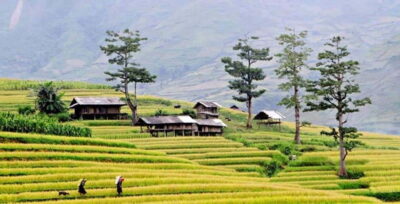 ★ 4.9Sapa: Eco Adventure Terrace Fields and Local Villages TrekFrom $27636 reviews
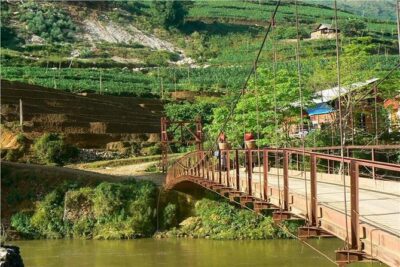 ★ 5.03-Day Trekking Adventure of Sapa from Hanoi – Stay Ta Van VillageFrom $109611 reviews
 ★ 5.03D and 2N Lan Ha Bay Cat Ba Island Kayaking & Trekking with VegaFrom $365593 reviews
 ★ 5.0Number one top rated ethical cultural trekking and homestay by ETHOSFrom $93456 reviews
Also in these Vietnam lists