
REVIEW · TREKKING AND VILLAGE HOMESTAYS
2 Day 1 Night Trek
Two days of tribe trails in Sapa. This trek works because you get a private English-speaking native guide and you sleep in a real homestay with wifi and hot showers, not a generic tour bus stop. One thing to consider: you do need moderate hiking fitness, since you will be walking on uneven paths for two full days.
What I like best is how the route focuses on villages and trails, like Muonh Hoa Stream and the bamboo forests around Ta Van, instead of just ticking off a viewpoint. Reviews also highlight guides like Giang and Xa, praised for patience and clear English, and for offering easy, medium, or hard options when energy levels change.
There is also a strong local-payoff angle. You spend the night with families, chat around an open fire, and you are helping support wages in a region where 70% of the population is below the poverty line. Just know this is a real community experience, so it is not about luxury.
In This Review
- Key things that make this Sapa trek worth your time
- Where the day starts: meeting in Sapa and getting on-trail fast
- Day 1: rice terraces, Muonh Hoa Stream, and a Black Hmong village visit
- Overnight homestay: wifi, hot showers, and an open-fire evening with your hosts
- Day 2: breakfast at 8:00, Ta Van bamboo forests, waterfalls, and meeting the Zay tribe
- Why the homestay experience matters more than the postcard parts
- Guides and pacing: what to expect from Giang, Xa, and other local hosts
- Price and value: what $105 really buys you in Sapa
- Practical tips for enjoying the trek without making it harder
- Should you book this Sapa Tribal Trekking two-day one-night trek?
- FAQ
- How long is the trek?
- What time does the tour start on Day 1?
- Where do we meet the guide?
- Is this a private tour?
- What meals are included?
- Do homestays include wifi and hot showers?
- Are there different hiking difficulty options?
- What is the cancellation policy?
Key things that make this Sapa trek worth your time
- Private, local English guide: You are not stuck with a loud group and vague explanations.
- Homestay night with real comfort touches: Wifi and hot showers are part of the package.
- Village-to-village walking: Black Hmong village areas on Day 1, Ta Van Village and Zay tribe on Day 2.
- Stream, bamboo, and waterfall time: The trail changes scenery, not just altitude.
- Trail pacing options: You can often choose an easier or harder pace depending on how you feel.
Sleep in a village, walk between them
- Hanoi – Sapa 2 Days 1 Night Overnight At Homestay★ 5.0 · 899 reviews
- From Hanoi: 2-Day Sapa Trekking Trip with Homestay & Meals★ 4.8 · 704 reviews
- Sapa 3 Days 2 Nights Trekking Tour (1 Night In Ta Van Village, 1 Night In Hotel)★ 5.0 · 699 reviews
- 3-Day Trekking Adventure of Sapa from Hanoi – Stay Ta Van Village★ 5.0 · 611 reviews
Where the day starts: meeting in Sapa and getting on-trail fast
Day 1 starts at 9:00 am in Sapa. You will meet at 690 Đường Điện Biên Phủ, TT. Sa Pa, Sa Pa, Lào Cai, Vietnam. The good part is you are not stuck trying to navigate the meeting point alone, because pickup is offered, and the guide can meet you at your homestay or hotel, or at Lao Cai train station, which is the closest rail stop to Sapa.
This matters because Sapa treks can feel “touristy” if you spend the morning waiting and herding people. Here, you get moving early, so you actually spend your time walking rice terraces and stream paths, not checking your watch.
Also, the group is private. That means you move at a pace that fits your group, and your guide can tailor explanations to what you care about, not what the slowest person in the group needs.
Day 1: rice terraces, Muonh Hoa Stream, and a Black Hmong village visit
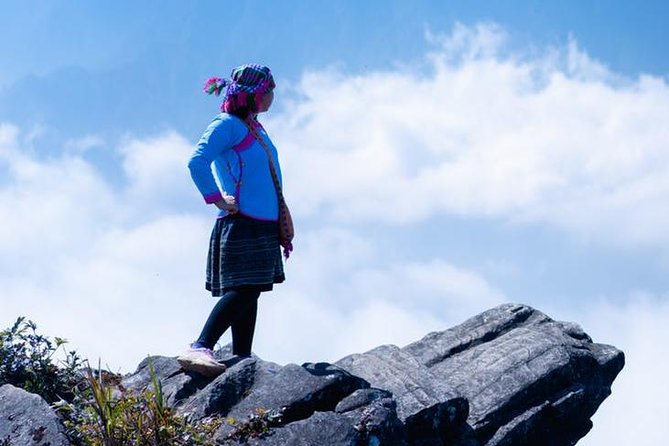
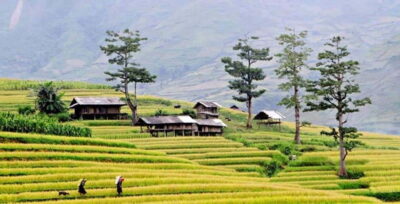
The first walking day is built around classic Sapa scenery and community life. You start with a trek through rice terraces, then head along Muonh Hoa Stream toward a Black Hmong village (the tour description calls it the Black Hmong village of La).
Rice terraces in this part of Vietnam are not just pretty. They shape the rhythm of life, from daily work patterns to how families understand the seasons. On a guided trek, you get more than photos. You get the “why” behind what you see, like how farming and village routines connect to the trail route.
After the walk, you reach your homestay for the night. This is where the trip stops feeling like a hike and becomes something more personal.
In reviews, the homestay is described as incredible, with gentle host families and rooms that are clean. One reviewer specifically praised the cleanliness of the rooms and the host family atmosphere. Another noted that the guide made the journey interesting by sharing context about culture and people, not just route directions.
Possible drawback for Day 1: the terrain can feel tiring if you are not used to walking on uneven paths. If that is you, treat the “easy to explore” part as a planning clue, not a promise of flat ground. Wear supportive shoes and take breaks when your legs ask for them.
Overnight homestay: wifi, hot showers, and an open-fire evening with your hosts

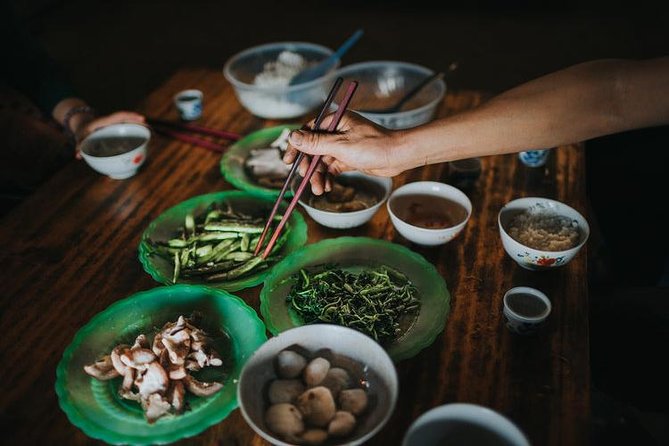
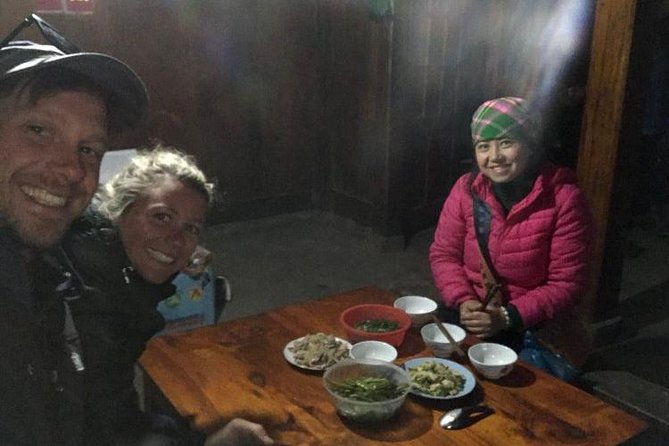
This trek is built around spending the night with a family, and that is the centerpiece. You can choose a homestay setup with wifi and hot showers, or an option described as staying in a local house with a local family. Either way, the goal is to learn through time together.
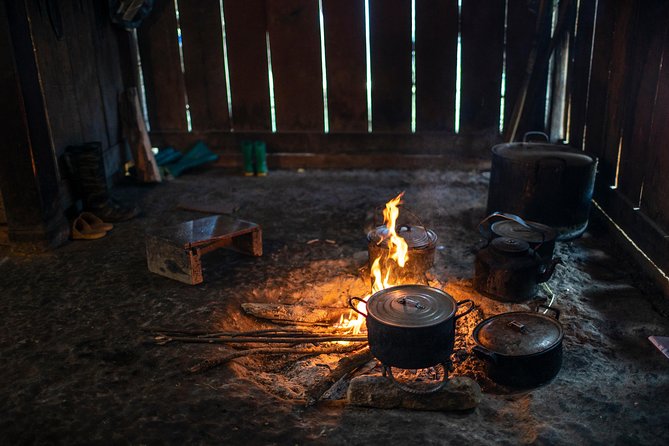
Expect an evening that is less “check in and sleep” and more “chat and get to know the people.” The description calls out huddling around an open fire and spending time talking with your host family. That part is not an add-on. It is the cultural experience, because it is where questions come up naturally.
There is also a practical side. Having wifi and hot showers means you are not trading comfort for authenticity. If you want the real Sapa community experience but still need a warm shower after a day of hiking, this style of homestay is set up to make that possible.
Another thing you should appreciate is the economic impact. The tour is explicit about giving back to local people and providing fair wages in an area with a very high poverty rate. In human terms, it means your money is more likely to support families directly, instead of flowing through layers of agencies before it reaches the community.
Day 2: breakfast at 8:00, Ta Van bamboo forests, waterfalls, and meeting the Zay tribe
Day 2 begins with breakfast at 8:00 am. You pack up and say goodbye to your host family, then step back onto the trail.
The next major stop is Ta Van Village, a place known in Sapa for its walking paths and bamboo forest sections. The route includes exploring beautiful bamboo forests, which is a nice change of pace from rice terraces and stream walking. Bamboo areas tend to feel cooler and quieter underfoot, and they break up the hike psychologically, not just physically.
From there, the trek continues through waterfalls and includes time meeting the Zay tribe. This is one of the key “why this trek” points, because it shifts the focus from scenery to people. You are not just looking at a village from a distance. You are on the ground in the area while your guide explains what you are seeing.
In reviews, guides are praised for depth and patience during the trek. Giang is specifically mentioned for excellent English and for sharing information with real context, including history and culture. Xa is praised for being patient and for teaching about rice fields, culture, and villages. That kind of guidance makes Day 2 feel like a cultural walk, not a photo mission.
You will enjoy lunch in the early afternoon, then the tour ends back at the meeting point.
A consideration for Day 2: because you end earlier in the afternoon, you might feel tempted to rush to other activities. I suggest planning lighter plans for the rest of the day. Your legs will be tired, and you will likely want time to shower, eat, and decompress.

Why the homestay experience matters more than the postcard parts
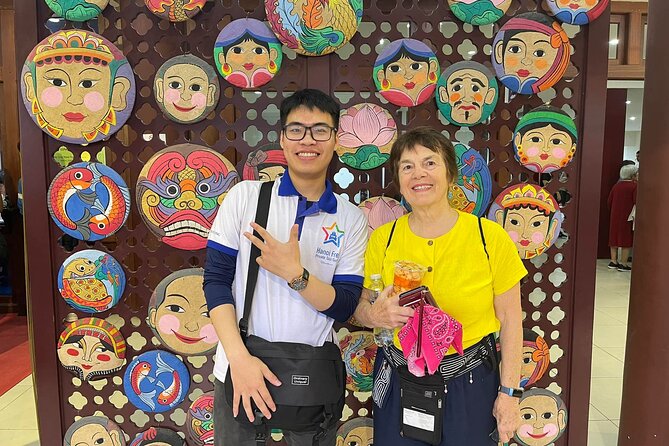
Lots of hikes in Sapa sell the same visual themes: terraces, hills, villages, mist, repeat. What makes this one different is how the itinerary is anchored around a family stay.
First, the homestay setting turns the trek into a two-day relationship, not a two-day product. You sleep where people live and share conversation around an open fire. That changes how you walk. You are not a spectator passing through. You are a temporary participant.
Second, the comfort level keeps it realistic. The tour specifically mentions wifi and hot showers, and reviews back up that rooms are clean. That is a big deal if you are budgeting time and energy. It means you can spend the evening resting properly and still handle the next morning.
Third, your guide’s explanations give the social experience structure. When a guide can explain what tribes are doing, why houses are arranged a certain way, or how farming and village life fit together, the experience becomes more memorable. One reviewer said Giang made the journey interesting by adding history and culture depth, which is exactly what you want from an English-speaking local guide.
Guides and pacing: what to expect from Giang, Xa, and other local hosts
This trek is private, so you will have direct interaction with your guide. The tour description emphasizes an expert English-speaking native private guide. In reviews, two names come up again and again: Giang and Xa.
Giang is praised for excellent English and for sharing information with depth, plus for taking people on a beautiful trip. Xa is praised for patience and for teaching you about rice fields, culture, and villages. Another review mentions that the guide offers options during the hike for easy, medium, and hard levels depending on how tired someone is.
That combination, English clarity plus flexible pacing, is what makes a trek feel good even if you do not consider yourself a serious hiker. You can ask for breaks. Your guide can slow down when you want stories, or speed up when you want views and momentum.
Still, be honest with yourself. Moderate fitness is the target. If you sign up expecting a gentle stroll the whole time, you might feel underprepared. But if you come in ready for a couple of hiking days, it feels manageable, especially with a guide watching the group and adjusting pace.
Price and value: what $105 really buys you in Sapa
At $105 per person for a two-day, one-night trek, you are paying for more than walking time.
Here is the value logic that matters:
- You get a private tour with an expert English-speaking native guide, which usually costs more than group trekking.
- You get an overnight stay in a homestay with the comfort extras mentioned in the tour details, including wifi and hot showers.
- You have at least breakfast on Day 2 (8:00 am) and lunch early afternoon on Day 2, so you are not paying for those meals separately.
- Pickup is offered, so transportation friction is reduced.
Then there is the local impact part. The tour explicitly frames your booking as support for fair wages in a region with high poverty. That does not replace the need for a quality experience, but it adds a layer of meaning that you feel during the stay.
When I look at this price, the biggest question is usually: will I feel like a real person in a real community experience, or just a visitor passing through? With this itinerary shape, and with the reviews highlighting clean rooms, gentle families, and guides who explain culture, it sounds like you are buying access to the human side of Sapa, not just the view.
Practical tips for enjoying the trek without making it harder
A few practical things to help you have an easier time, without overpacking your life.
- Plan for moderate physical fitness. You do not need to be an athlete, but you should expect steady walking and uneven footing.
- Bring footwear that can handle wet, muddy trail sections. Waterfalls and stream paths are part of the route.
- Dress in layers. Even if the weather changes only a little, treks can cool you down in the shade and heat you up while walking.
- Keep a small daypack for essentials. You will hike both days, so you want water, snacks if you use them, and a light rain layer.
Also, this experience requires good weather. If weather turns rough, you may get an alternate date or a full refund. So do not schedule something that cannot move right after the trek.
Should you book this Sapa Tribal Trekking two-day one-night trek?
Book it if you want Sapa to feel human. You should choose this if you care about:
- walking through rice terraces, then continuing into Ta Van bamboo forests,
- spending a night in a family setting with wifi and hot showers,
- meeting the Zay tribe, and visiting a Black Hmong village area,
- and having a guide who explains culture with clear English, like the guides named in reviews.
Skip it if you want a fully effortless vacation day. If you dislike hiking, or if you struggle with uneven trail walking, look for something more structured and flatter.
If you are on the fence, I would decide based on your comfort with a moderate hike plus community stay. With the guide quality highlighted in reviews and the homestay comfort details in the plan, this trek tends to land well for people who want authentic, practical adventure.
FAQ
How long is the trek?
It is about 2 days for the 2 day 1 night trek.
What time does the tour start on Day 1?
Day 1 starts at 9:00 am.
Where do we meet the guide?
The meeting point is 690 Đường Điện Biên Phủ, TT. Sa Pa, Sa Pa, Lào Cai, Vietnam. The guide can also meet you at your homestay or hotel, or at Lao Cai train station.
Is this a private tour?
Yes. It is listed as a private activity, so only your group will participate.
What meals are included?
The itinerary states breakfast at 8:00 am on Day 2, and lunch in the early afternoon on Day 2.
Do homestays include wifi and hot showers?
Yes. The tour notes that you can stay in homestays with wifi and hot showers.
Are there different hiking difficulty options?
The reviews mention that guides can offer easy, medium, and hard options depending on how tired you feel.
What is the cancellation policy?
You can cancel for a full refund up to 24 hours before the experience’s start time. If it is canceled due to poor weather, you will be offered a different date or a full refund.
Walk, Then Stay
- Hanoi – Sapa 2 Days 1 Night Overnight At Homestay★ 5.0 · 899 reviews
- From Hanoi: 2-Day Sapa Trekking Trip with Homestay & Meals★ 4.8 · 704 reviews
- Sapa 3 Days 2 Nights Trekking Tour (1 Night In Ta Van Village, 1 Night In Hotel)★ 5.0 · 699 reviews
- 3-Day Trekking Adventure of Sapa from Hanoi – Stay Ta Van Village★ 5.0 · 611 reviews
- 3D and 2N Lan Ha Bay Cat Ba Island Kayaking & Trekking with Vega★ 5.0 · 593 reviews
Other Hanoi tours our reviewers keep coming back to
- Hanoi Vespa After Dark Street food + Train Street+ Live Music
★ 5.0 · 18 reviews - (Free Pick-up) Vietnamese Body Massage in Hanoi City
★ 5.0 · 18 reviews - The Insider’s Hanoi,Train Street, Countryside Highlight by Vespa
★ 5.0 · 18 reviews - Skip the line: Thang Long Water Puppet Theater Entrance Tickets
★ 4.0 · 18 reviews - Hanoi Street Food Tour and MORE
★ 5.0 · 18 reviews - Hanoi – Hoa Lu – Tam Coc – Mua Cave – 1 Day / By Luxury Limousine & Small Group
★ 5.0 · 18 reviews
Trekking and Village Homestays, compared.
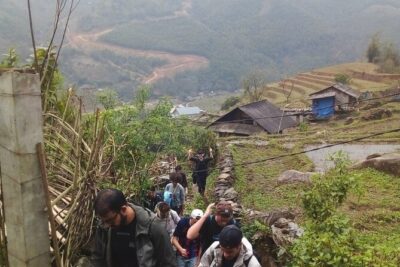 ★ 5.0Hanoi – Sapa 2 Days 1 Night Overnight At HomestayFrom $89899 reviews
 ★ 4.6Sa Pa: Muong Hoa Valley Trek and Local Ethnic VillagesFrom $23864 reviews
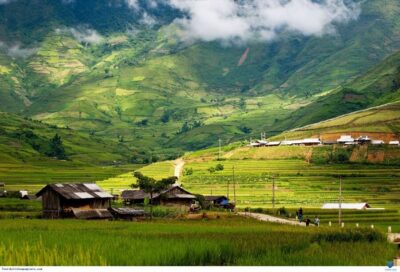 ★ 4.8From Hanoi: 2-Day Sapa Trekking Trip with Homestay & MealsFrom $71704 reviews
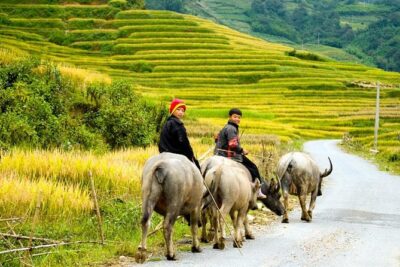 ★ 5.0Sapa 3 Days 2 Nights Trekking Tour (1 Night In Ta Van Village, 1 Night In Hotel)From $139699 reviews
 ★ 4.9Sapa: Eco Adventure Terrace Fields and Local Villages TrekFrom $27636 reviews
 ★ 5.03-Day Trekking Adventure of Sapa from Hanoi – Stay Ta Van VillageFrom $109611 reviews
 ★ 5.03D and 2N Lan Ha Bay Cat Ba Island Kayaking & Trekking with VegaFrom $365593 reviews
 ★ 5.0Number one top rated ethical cultural trekking and homestay by ETHOSFrom $93456 reviews
Also in these Vietnam lists