
REVIEW · VIETNAM WAR HISTORY SITES
Hoa Lo Prison and Little Paris in Hanoi
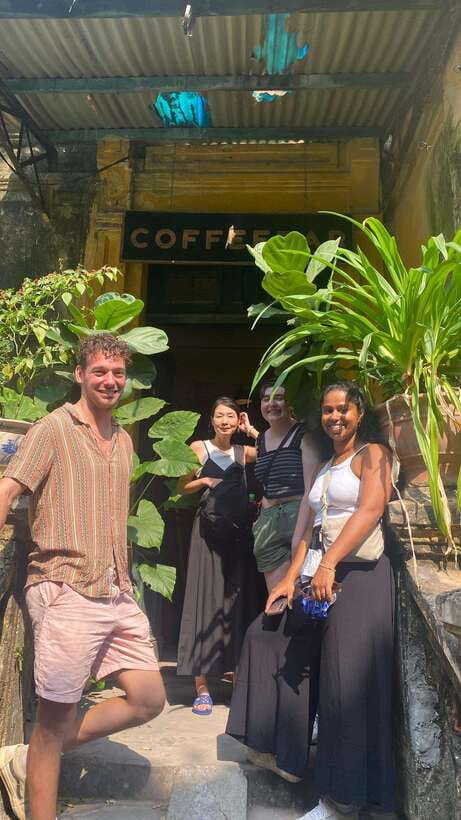
Hanoi’s colonial streets tell two stories at once. This guided walk turns the French Quarter into something you can read with your feet, and the visit to Hỏa Lò Prison adds hard context to the buildings. I really like how the tour connects French-era architecture to Vietnam’s push for independence, and I also like the friendly local approach from guides such as Nam, Van, Lisa, and Julia. One consideration: it is a 3.5-hour walking tour, so bring comfortable shoes and plan for the heat.
I also appreciate the value of doing it as a small group (limited to 10), with hotel pickup if you are staying in Hanoi’s Old Quarter. For $40 per person, you get an entry ticket to Hỏa Lò Prison, Vietnamese coffee, and a bottle of water, plus an English live guide doing the heavy lifting in context and storytelling.
The route is wheelchair accessible, but it is not listed as suitable for people with heart problems. You will want to follow the simple rules too, no smoking and no flash photography, and bring a hat and sunscreen if the day is bright.
In This Review
- Key highlights worth planning around
- Why Hanoi’s French Quarter and Hỏa Lò Prison fit together
- Meeting points, walking pace, and what 3.5 hours really means
- State Bank of Vietnam: French-era power on a city block
- Government Guest House, also called Tonkin Palace: where politics becomes architecture
- The secret stop that changes the whole feel of the walk
- Hanoi Opera House and St. Joseph’s Cathedral: Little Paris that you can actually stand in
- French influence, Indochinese design, and the National Museum angle
- Inside Hỏa Lò Prison: captivity, occupation, and the Vietnam War story
- Vietnamese coffee, local tips, and why the extras matter
- What this tour is best for, and who should skip it
- Should you book this Hanoi French Quarter and Hỏa Lò Prison tour?
- FAQ
- How long is the tour?
- How much does it cost?
- What is included?
- Where do I meet the guide?
- Is it wheelchair accessible?
- Are there any photo or smoking rules?
Key highlights worth planning around
- French Quarter architecture as a story, from colonial buildings to the independence struggle.
- Hoa Lo Prison with guided interpretation, linking occupation, captivity, and later wartime resistance.
- Guides like Van, Lisa, and Julia, who blend history with everyday Hanoi context.
- A secret stop that adds variety and keeps the walk from feeling like a straight checklist.
- Vietnamese coffee included, so you get a taste break without hunting for it.
- Small group size up to 10, which makes questions and pacing easier.
Further wartime sites and memorials in our reviews
- From Hanoi: Full-Day City Tour with Hoa Lo Prison |Optional Lunch★ 5.0 · 54 reviews
- Incense + Hat Villages/ Temple of Literature, Hoa Lo Prison★ 4.7 · 37 reviews
- Hanoi Private Day Tour: Hidden Gems, Hoa Lo Prison, Train Street★ 5.0 · 30 reviews
- Hoa Lo Prison and Little Paris in Hanoi★ 5.0 · 21 reviews
Why Hanoi’s French Quarter and Hỏa Lò Prison fit together
The best part of this tour is the pairing. You start in the French Quarter, where the city still wears its colonial styling, then you move to Hỏa Lò Prison, where the same era gets its darker edge.
That contrast matters. French-influenced buildings can look elegant from a distance, but the guide keeps pulling the story back to the people behind the walls, and the costs of power, control, and resistance. If you like your travel with meaning, not just photos, this combination works well.
I also like that the guides are locals with a down-to-earth way of connecting. Names you might see on a tour include Nam, Van, Lisa, and Julia. Their style is friendly and conversational, and they often share life in Hanoi along with the timeline of events.
One more reason this tour clicks: it is not trying to be only one thing. You get architecture, independence struggles, and a clear look at Vietnam’s later conflict history tied to the Vietnam War.
Meeting points, walking pace, and what 3.5 hours really means
You have two practical ways to start. If you are in Hanoi’s Old Quarter, hotel pickup is included. If not, you meet at the Emperor Lý Thái Tổ Monument statue area.
Either way, the tour runs about 3.5 hours. That is a good length for a first look at this part of town, but it is still real walking. Bring comfortable shoes, and if you get hot easily, a hat and sunscreen are not optional.
The group stays small, limited to 10 participants. That size is a big deal in Hanoi, where it is easy to get stuck in a crowd. Here, you can actually hear the guide and keep a steady pace without feeling like you are being shoved along.
A quick note for planning your day: there are several stop-and-look moments, including guided time inside key sites and photo stops. If you are used to rushing through must-sees, this feels more like a guided stroll with purposeful pauses.
Also keep in mind the simple rules. No smoking and no flash photography in the places where it is restricted. You will still take plenty of photos, but you will do it the right way.
State Bank of Vietnam: French-era power on a city block
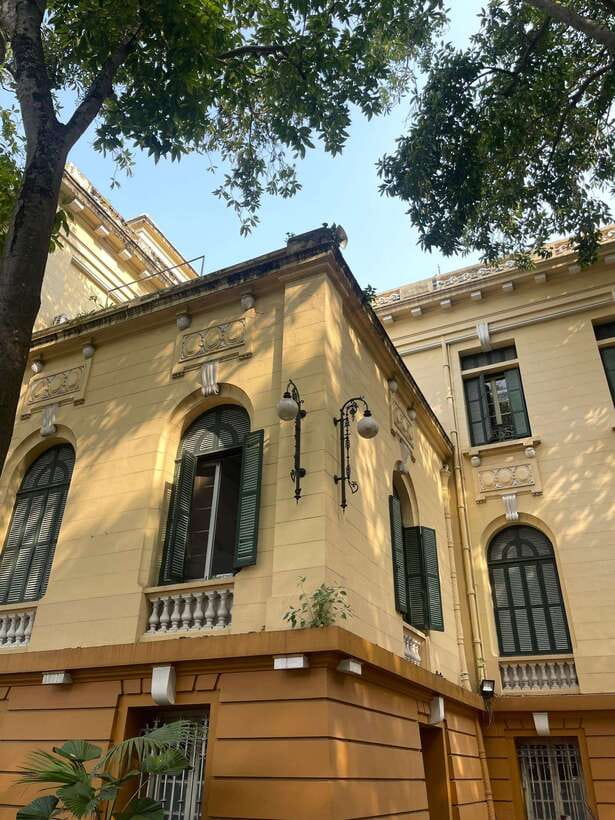
The walk begins with a look at the State Bank of Vietnam area. Even without getting inside, you can feel why this part of Hanoi is often described as Little Paris. The architecture and the street rhythm make it different from the maze-like Old Quarter streets.
This stop is a warm-up, and it sets the tone for the rest of the tour. The guide frames what you are seeing in the bigger picture of colonial-era influence. Instead of calling buildings pretty and moving on, you learn what they represented.
If you enjoy learning how a city organizes authority, this is a strong start. Banking and government are not glamorous topics, but the guide keeps it human by tying it to who had control and who had to adapt.
A drawback to be aware of here is that this is a photo-and-walk section rather than a full museum stop. If you are the type who wants lots of indoor time early on, you might find the first part slightly lighter before it becomes more intense later.
Government Guest House, also called Tonkin Palace: where politics becomes architecture
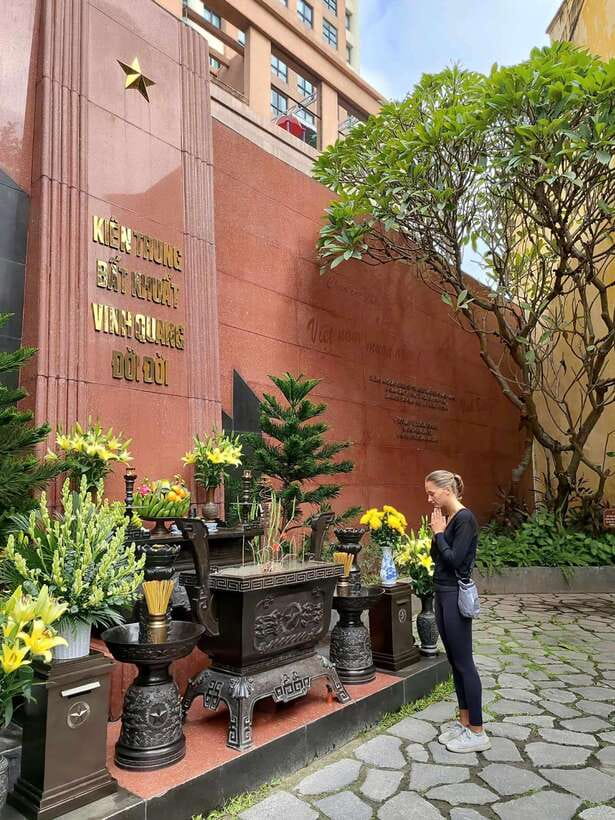
Next up is the Government Guest House, known as Tonkin Palace. This is one of the stops that makes the tour more than sightseeing, because it anchors the colonial story in a building that still signals status.
The key value here is context. The guide links the way these structures were designed and used to the bigger political history of the era. You get a sense of how government presence was built into the landscape.
I like that the tour does not treat colonial architecture like an aesthetic exhibit only. It is presented as something that shaped lives, not just something to admire. That makes the walk feel grounded, not decorative.
You also move at a comfortable speed. There is time to look closely at details and then regroup, instead of sprinting from one landmark to the next.
If you have limited time in Hanoi, this is still a smart stop because it gives you a “why” that will make everything else easier to understand as you continue.



The secret stop that changes the whole feel of the walk
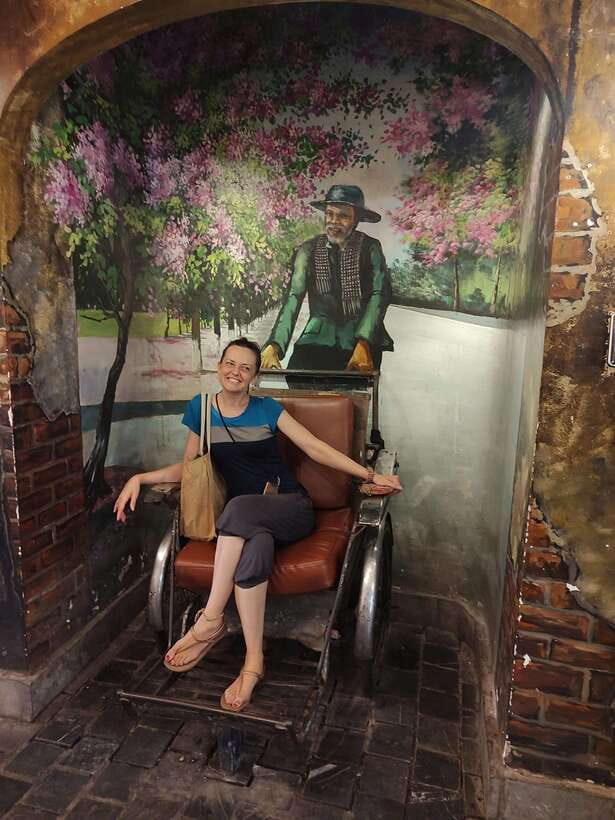
At one point, the tour includes a secret stop. The exact details vary by group and timing, but the purpose is consistent. You get an extra site that feels more local, more off the straight-line route, and more like a place you would not naturally discover.
This part is a useful break from the bigger, more famous buildings. It helps you reset your eyes, slow down, and absorb what you are learning in a different setting.
I like tours that have at least one surprise built in, and this one does. It keeps the experience from turning into a list where you check boxes and move on.
Practical note: since it is a secret stop, you will not get a clear preview on your own. If you like knowing every single location in advance, you might feel slightly out of the loop. On the other hand, that uncertainty is also what keeps it fun.
Hanoi Opera House and St. Joseph’s Cathedral: Little Paris that you can actually stand in
The middle of the tour leans hard into the Little Paris theme. You visit the Hanoi Opera House with a guided tour, then you move on to St. Joseph’s Cathedral for guided time plus a photo stop.
These stops are where the architecture fans smile. You see the French-influenced look the area is known for, and you also learn how the design connects to the colonial presence. The guide helps you spot what feels Paris-like and what feels distinctly Indochinese.
At the Opera House, guided interpretation makes a big difference. Without context, you might just notice the building looks grand. With the guide, it becomes part of the story of public life, culture, and power.
St. Joseph’s Cathedral is similar, but in a different way. It is visually striking, and the guided visit helps you understand why this kind of structure appeared here in the first place. The tour also gives you time to take photos properly, without feeling rushed.
One consideration: religious and historic sites can mean you will do more standing and waiting. If you prefer minimal stops and maximum speed, this might feel a bit slow. If you love architecture and explanations, this is a high point.
French influence, Indochinese design, and the National Museum angle
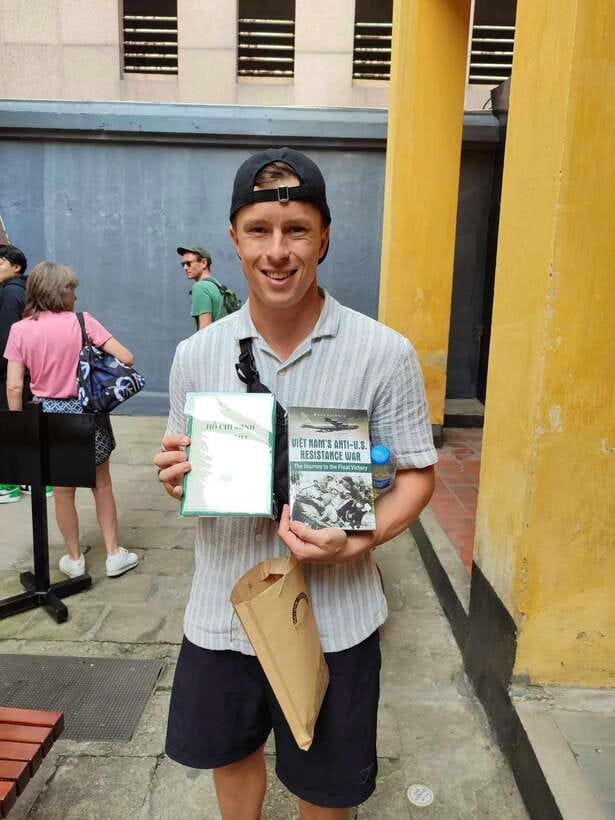
Part of the tour narrative includes French influence and Indochinese architecture tied to the National Museum of History. Even when you are not in a major museum room, the guide uses these references to help you read the city.
This matters because Hanoi’s colonial-era styling is not a simple copy-paste of Europe. The blending shows up in how materials, details, and design choices fit into the local context.
If you enjoy looking for patterns, you will start to notice them as you walk. The tour trains your eye, so when you pass other French-era details later in the city, you know what to look for.
A plus here is how the guides keep it readable. You get a sense of the overall relationship between French presence and local adaptation, without turning it into a textbook.
This is also where you can appreciate the tour’s balance. It talks about French-era design, but it never forgets the independence struggle happening alongside it.
Inside Hỏa Lò Prison: captivity, occupation, and the Vietnam War story
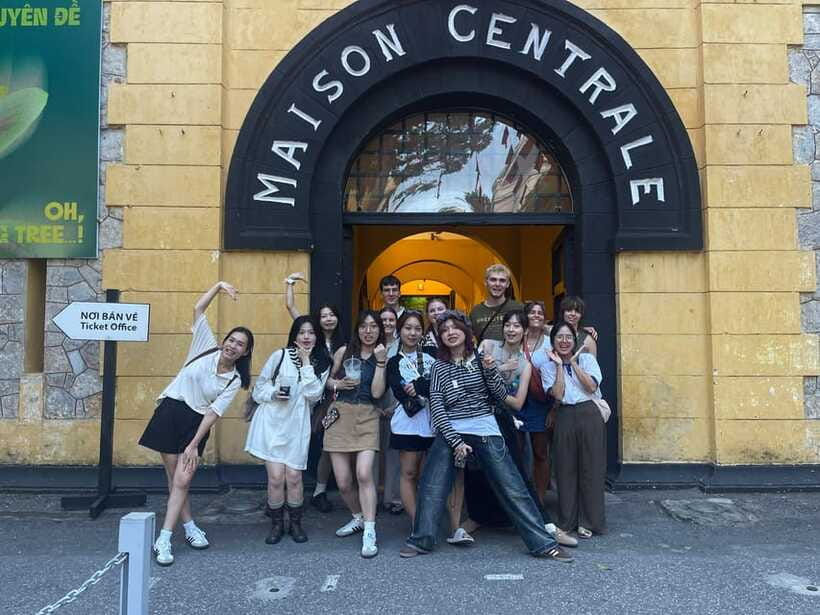
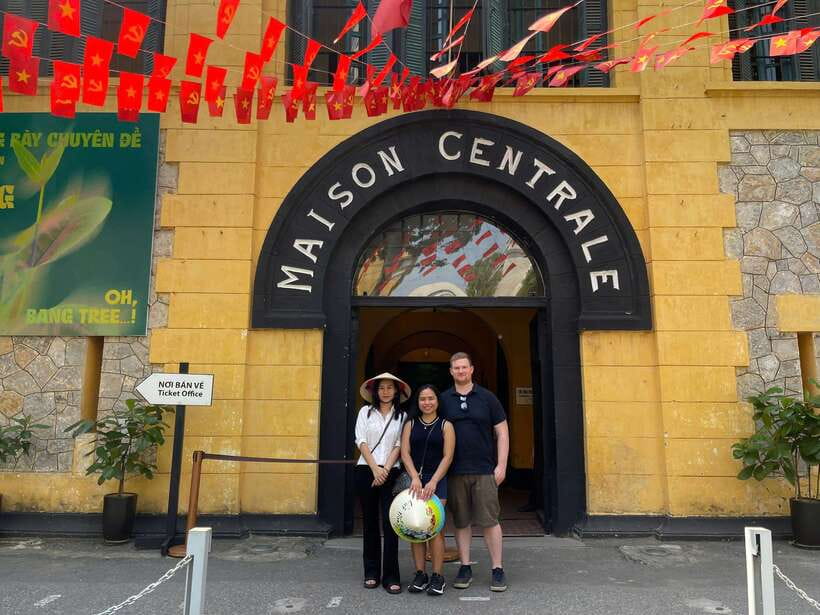
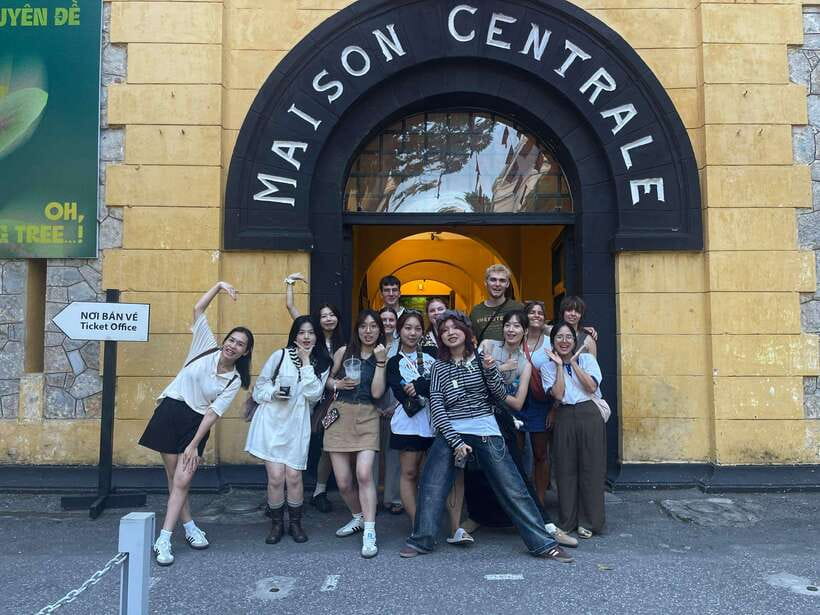
The final stop is Hỏa Lò Prison, and it is the emotional gravity of the whole experience. You get a guided visit, and the guide connects it to French occupation and later wartime history, including the Vietnam War.
This part is not light. The guide frames what it means that a place built for captivity became part of a broader story of resistance and survival. If you care about history that has consequences, this is the section that will stay with you.
I also appreciate that the guide does not just list events. The interpretation feels aimed at understanding people, not just dates. That makes the prison visit more than a set of old walls.
Because the tour includes walking and standing, take breaks when you need them. You are visiting a site with rules, and you will likely spend time listening and looking at displays.
If you have any health concerns, this is one part you should consider carefully. The tour is not stated as suitable for people with heart problems, and since it is a guided walking day, you want to be comfortable standing and moving.
That said, for many people, this stop is exactly the reason they book. It turns the French Quarter story into something you can understand as real history, not just architecture.
Vietnamese coffee, local tips, and why the extras matter
It is easy to ignore small inclusions, but here they actually help. You get Vietnamese coffee plus a bottle of water, and that takes pressure off your planning.
In Hanoi’s heat, that coffee break is not a luxury. It is fuel. Even if you are not a coffee person, having the drink included gives you a moment to sit, cool down, and let the history sink in.
Some guides are especially good at adding practical local moments. For example, you may hear about a local coffee spot, and there can be small food detours like a quick ice cream stop on hot days. The point is simple: the walk stays enjoyable, not just educational.
Also, because the group is small, you can ask questions without feeling like you are interrupting. I like that the guides share everyday culture details alongside the big events. Nam, Van, Lisa, and Julia are the kind of guides who answer with clarity and also with personal perspective.
This is where a locally led tour can beat DIY. You might find landmarks on a map, but you probably will not find the local routines and explanations that make the city feel lived-in.
What this tour is best for, and who should skip it
This tour suits you if you love history tied to place. The combination of French Quarter architecture and Hỏa Lò Prison gives you a full story arc, from the look of colonial Hanoi to the human impact behind it.
It also fits you if you like asking questions during a walk. Small group size helps, and the guide names you might meet are known for being friendly and engaging.
You should consider skipping or switching to another option if you do not do well with walking for 3.5 hours, or if you have heart-related concerns. The tour is not listed as suitable for people with heart problems, and it is a day that involves enough standing and movement that you want to be sure you are comfortable.
If your idea of travel is only quick photo stops, this might feel too story-driven. It is designed for people who want context and architecture explanations that connect to resistance and independence.
Should you book this Hanoi French Quarter and Hỏa Lò Prison tour?
Book it if you want a guided walk that makes Hanoi’s “Little Paris” look meaningful, not just pretty. For $40 per person, you get the guide, entry to Hỏa Lò Prison, Vietnamese coffee, water, and a hotel pickup option in the Old Quarter. That is a solid deal for a half-day when you factor in the admission piece and the guided interpretation time.
I would especially recommend it early in your trip. You will get your bearings fast, and the architecture-focused stops will give you a framework for what you see later. Even if you come back to Hanoi several times, this tour gives you a better lens.
Skip it if you want an ultra-light walking day or if health constraints could make standing and movement uncomfortable. Also skip it if you do not like history that gets intense, because the prison visit is a serious, emotionally heavy segment.
If you book, do the smart prep: wear comfortable shoes, bring a hat and sunscreen, and plan to spend the day listening as much as looking.
FAQ
How long is the tour?
The tour lasts about 3.5 hours.
How much does it cost?
The price is listed at $40 per person.
What is included?
The tour includes a local guide, the Hoa Lo Prison entry ticket, the French Quarter walking tour, Vietnamese coffee, 1 bottle of water, and hotel pickup if you are staying in Hanoi Old Quarter.
Where do I meet the guide?
Pickup is offered from hotels or stays in Hanoi Old Quarter. If you are not using hotel pickup, you can meet at the Emperor Ly Thai To Monument Statue.
Is it wheelchair accessible?
Yes, the tour is wheelchair accessible.
Are there any photo or smoking rules?
Smoking is not allowed, and flash photography is not allowed.
Wartime Sites and Memorials
- From Hanoi: Full-Day City Tour with Hoa Lo Prison |Optional Lunch★ 5.0 · 54 reviews
- Incense + Hat Villages/ Temple of Literature, Hoa Lo Prison★ 4.7 · 37 reviews
- Hanoi Private Day Tour: Hidden Gems, Hoa Lo Prison, Train Street★ 5.0 · 30 reviews
- Hanoi Hoa Lo Prison and War museums Tour★ 5.0 · 24 reviews
- Hoa Lo Prison and Little Paris Tour in Hanoi (French Quarter)★ 5.0 · 20 reviews
Other Hanoi tours our reviewers keep coming back to
- Hanoi Vespa After Dark Street food + Train Street+ Live Music
★ 5.0 · 18 reviews - (Free Pick-up) Vietnamese Body Massage in Hanoi City
★ 5.0 · 18 reviews - The Insider’s Hanoi,Train Street, Countryside Highlight by Vespa
★ 5.0 · 18 reviews - Skip the line: Thang Long Water Puppet Theater Entrance Tickets
★ 4.0 · 18 reviews - Hanoi Street Food Tour and MORE
★ 5.0 · 18 reviews - Hanoi – Hoa Lu – Tam Coc – Mua Cave – 1 Day / By Luxury Limousine & Small Group
★ 5.0 · 18 reviews
Vietnam War History Sites, compared.
 ★ 4.9From Hue: DMZ Tour with Vinh Moc Tunnels and Khe Sanh BaseFrom $54503 reviews
 ★ 5.0DMZ TOUR HUE – Deluxe group tour full dayFrom $49383 reviews
 ★ 5.0DMZ & Vinh Moc Tunnels – Private Historical Tour from HueFrom $80188 reviews
 ★ 5.0Explore DMZ in Private: Vinh Moc & Khe Sanh from HueFrom $10199 reviews
 ★ 4.5War Remnants Museum – Ho Chi Minh City Half Day ToursFrom $3988 reviews
 ★ 5.0Cu Chi Ben Duoc Tunnel & War Museum – Original, Less TouristyFrom $2780 reviews
 ★ 4.9Hue: Half-Day DMZ Tour to Vinh Moc Tunnels by Private CarFrom $1657 reviews
 ★ 4.9Hue: DMZ Half-Day Tour by Private Car to Vinh Moc TunnelsFrom $1755 reviews
Also in these Vietnam lists