
REVIEW · HANOI TRAIN STREET
Visit Train Street Hear History &Eat Local Food Know Culture
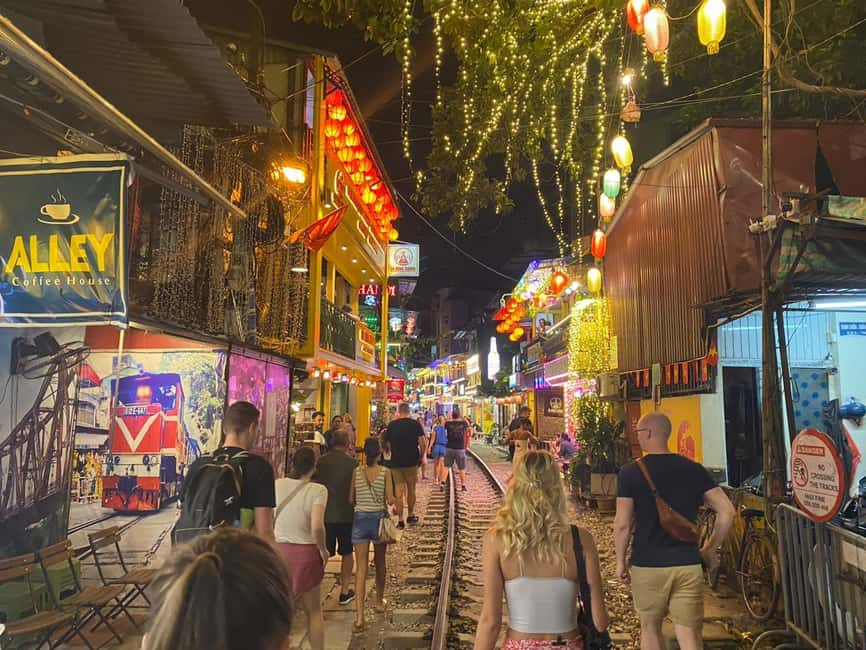
Trains roar inches from your seat. This quick Hanoi experience mixes Train Street spectacle with real railway context, then wraps it up with local food you can actually finish in 1 to 3 hours. It is the kind of stop that makes the Old Quarter feel more lived-in and less like a postcard.
I love the way the guide stories connect the trackside drama to how the city grew around the railway, especially when guides like Sang and Tony share the details in clear, friendly English. I also love the food sequence, dry mixed pho, banh my, and Kem Xôi with sticky rice, ice cream, and dry coconut.
One consideration: the train pass is not guaranteed. Even with daily schedules, sometimes it does not show, so go in expecting a close pass when you are lucky, not a timed performance.
In This Review
- Key highlights to look forward to
- Train Street feels like Hanoi, not a theme park
- Meeting in the Old Quarter, then getting oriented fast
- The Train Street waiting game, with egg coffee and beer-style options
- What your English guide actually adds to the experience
- The food tasting part: pho, banh my, and Kem Xôi
- Price and value: $2.60 sounds low, so budget for food
- Timing, duration, and how to avoid getting rushed
- Who should book this tour, and who should skip it
- Practical tips for your best Train Street moment
- Should you book this Train Street history and local food tour?
- FAQ
- Where do we meet for the tour?
- How much does the tour cost?
- How long should I plan for the experience?
- What is included in the tour price?
- Are drinks and lunch included?
- Is the train passing guaranteed while I am there?
- Can I get a vegetarian option?
- What is the cancellation policy?
- Is a private group available?
Key highlights to look forward to
- A near-seat view of the train as it runs through narrow alleys close to where you stand
- Trackside drinks and local shop atmosphere while you wait for the train to come through
- Railway history explained in plain English by an English local guide
- Hanoi food tasting with stand-out picks like dry mixed pho, banh my, and Kem Xôi
- Small-group format for personal attention from your guide, with private group options
More Train Street timings and coffee stops
- Hanoi: Street Food Tour with Train Street & Hidden Alleyways★ 5.0 · 2,831 reviews
- Hanoi: Guided Street Food Tour with Train Street Experience★ 4.9 · 2,479 reviews
- Hanoi City Tour Highlight, Train Street Combine visit Countryside★ 5.0 · 925 reviews
- Hanoi Jeep City Highlight, Backstreet, Train Street, Countryside★ 5.0 · 666 reviews
Train Street feels like Hanoi, not a theme park
Train Street is one of those places where you instantly understand the scale of a city without needing big speeches. You walk into narrow lanes lined with houses close to the rails, and then the whole atmosphere changes. That moment when you hear the train coming and realize it is running right by the seating area is what makes this experience different from the usual viewpoint stops.
What I like most is that this is not only about the photo. You also get the why behind the spectacle. A good guide turns what looks like chaos into a story you can follow, linking the railway to how Northern Vietnam lives and moves.
The tour also has a built-in culture angle. You get time in the Hanoi Old Quarter area before the train moment, so you are not just jumping straight to the track. Then you end with local food, which is how you get the day’s meaning into your stomach, not just your camera roll.
Meeting in the Old Quarter, then getting oriented fast
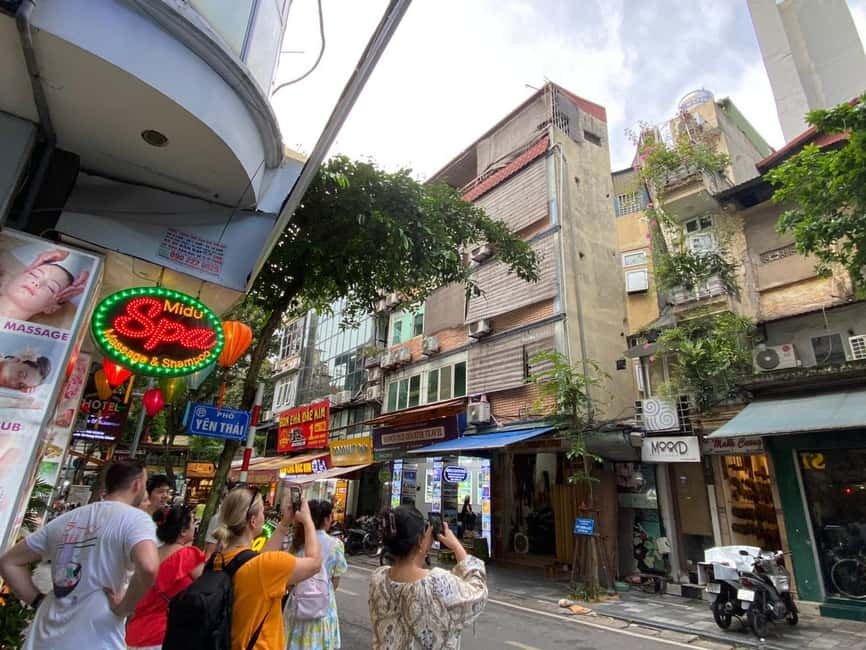
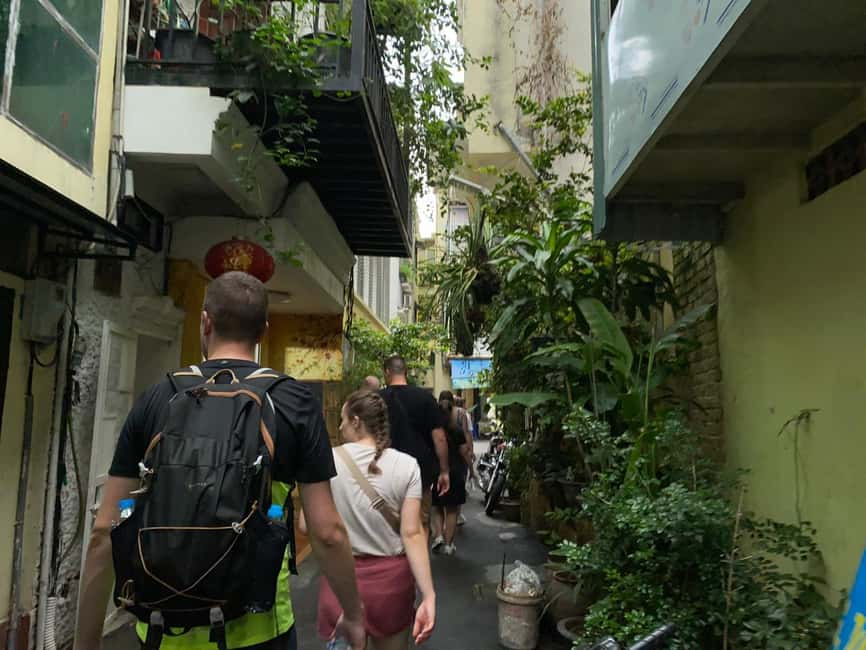
The tour starts at a meeting point in the Hanoi Old Quarter, at 1 Tong Duy Tan street, inside a travel agency shop. From there, you do the practical part first: get your bearings, learn what you need to watch for, and start understanding the narrow-alley layout you will soon be in.
This orientation matters. Train Street is not in a wide public square where you can spread out. Streets are tight and things happen quickly when the train is near. A guide keeps you moving in a safe, organized way, and you avoid the scramble that happens when people arrive without a plan.
You also get a 70-minute Old Quarter stop that is designed for sightseeing rather than rushing. That gives you context, like seeing the neighborhood feel before you focus on the rails.
The Train Street waiting game, with egg coffee and beer-style options
Here is the main event: you go to the narrow passage where the railway runs close to seating. Train schedules may show daily service, but the reality is less predictable. Sometimes trains come through, sometimes they do not. That uncertainty is part of the charm, and it is also why your guide’s timing and positioning matter.
When you arrive, you will wait for the train to pass. During the wait, you can order drinks at a nice trackside shop. Options mentioned include egg coffee, local beer, soft drinks, and juice. I would treat this as your reward for waiting patiently in a tight space, not as an all-you-can-drink situation. Also note the tour policy says alcohol and drugs are not allowed, so follow your guide’s rules and choose what is permitted.
The sensory part is real. You will hear the approach, feel the vibration more than you might expect, and then watch the train slide past with houses close on both sides. It is loud, but it is also strangely intimate. For many people, it is the first time they see how transportation and daily life can share the same narrow corridor.
If you are worried about missing the moment, adjust your mindset. You are not paying for a guaranteed show. You are paying for a guided shot at a very specific window, plus the food and cultural context that come with it.
What your English guide actually adds to the experience
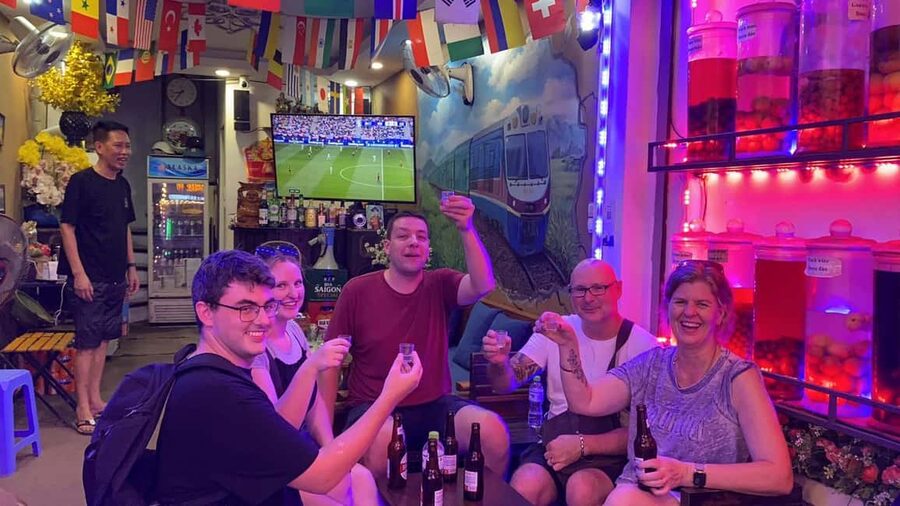
A big reason this tour gets high marks is the guides. Names that show up include Sang and Tony, both praised for being intelligent, friendly, and solid in English.
You should expect more than directions. Your guide explains the railway history and why it still matters in Northern Vietnam. That context changes how you interpret what you are seeing. Instead of only thinking, wow, that is close, you start thinking about how the railway shaped neighborhoods, movement, and daily routines over time.
A good guide also gives safety awareness in a place like this. Narrow lanes plus crowds plus loud trains means you need to be told where to stand, when to pay attention, and how to handle the waiting period. The practical guidance is part of the value, and it is what helps the tour feel smooth instead of stressful.
Group size matters here too. This is set up for a small group, which usually means you get personal attention rather than being swept along like a numbered ticket.



The food tasting part: pho, banh my, and Kem Xôi
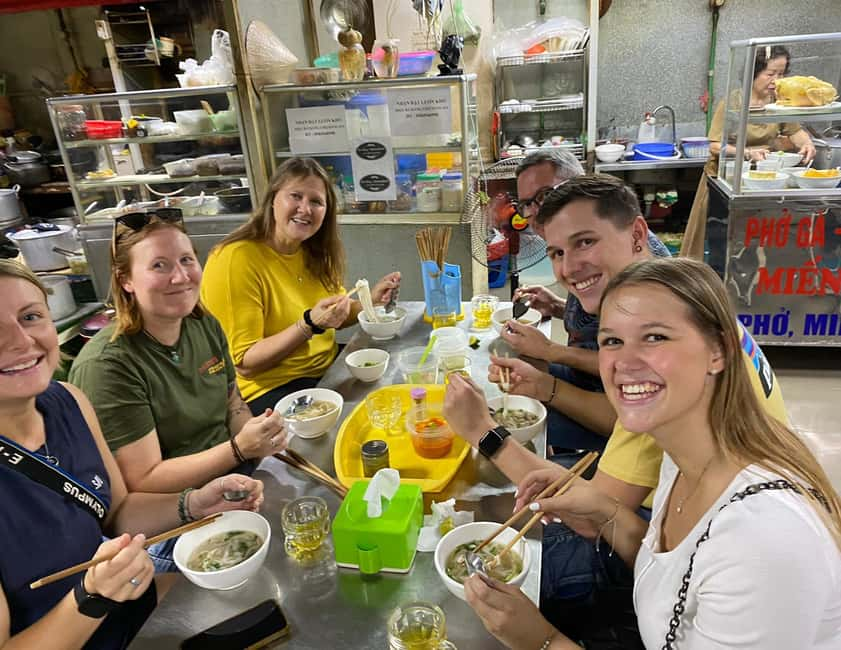
After the train moment, the tour shifts from street drama to meal logic. You head into the food tasting portion, where you are set up to try a lineup of classic Hanoi items.
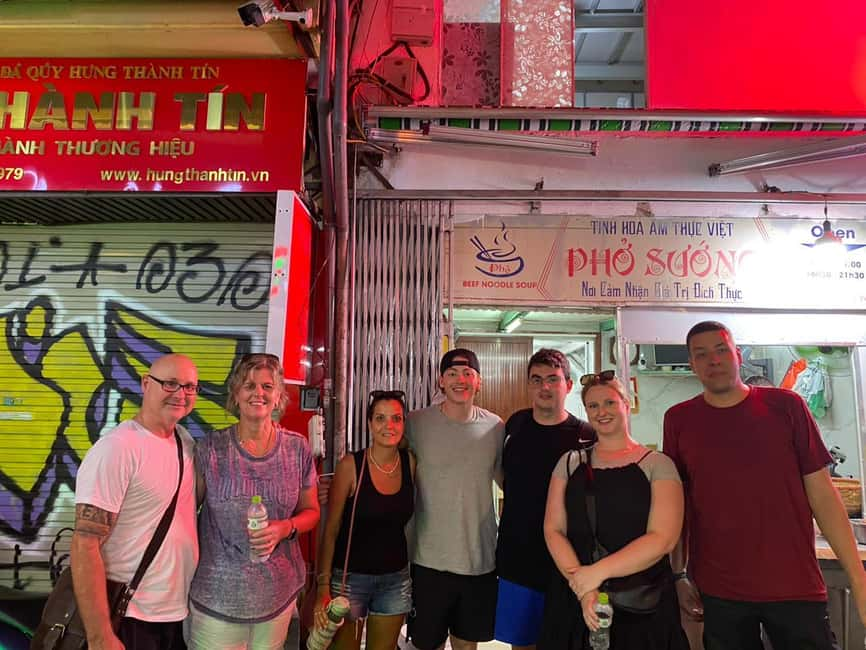
First up is pho, but not just any pho. You are looking for a different version described as dry mixed pho with a special sauce. The idea is that the noodles are mixed, then dressed with flavor rather than soaking like the broth style you might expect from other Vietnamese cities. Chicken versions are suggested, and the refreshing taste is the point. If you are used to pho that feels warm and brothy, this dry mixed approach is a useful surprise.
Next comes banh my. You are not just eating bread with filling. This is presented as a signature baguette experience with a variety of fillings. Even if you have had banh my before, you may find the flavor balance changes depending on the local style and what is popular on that day.
Then you finish with dessert: Kem Xôi. This is sticky rice with ice cream, plus dry coconut for crunch. The contrast does the trick: warm-chewy rice texture meets cool ice cream, and the coconut adds a dry finish that keeps it from feeling too sweet.
One practical note: the tour’s summary talks about lunch, but the price details list food for lunch as not included. What that means for you on the ground is simple: treat the food tasting as part of the experience, but bring a little extra money for your meal items and anything beyond tastings. Your guide can help you order in a way that fits what you want, but the tour is not positioned as a free all-inclusive lunch budget.
If you want vegetarian food, there is a stated option. Just let the organizer know in advance.
Price and value: $2.60 sounds low, so budget for food
The price listed is $2.60 per person, and on paper, it can look suspiciously cheap. Here is how I would think about value.
Included things focus on the essentials: an English local guide, the Train Street visit with train passing, and one bottle of water. The most expensive part of your out-of-pocket spending is likely not the tour itself, because drink and lunch food are not included.
So the value equation becomes: you are paying for guided access to a very specific moment, plus cultural explanation, plus a food plan that includes tastings. Then you pay for drinks at the trackside shop and food for lunch separately.
If you are traveling on a tight budget and you still want a meaningful experience in Hanoi, this tour can be a bargain. If you hate paying extra for food and drinks, you may feel like it is not as cheap as it first appears. But if you are comfortable spending a bit more locally, this is a smart way to get both history and street-level eating in a short window.
Timing, duration, and how to avoid getting rushed
This is a 1 to 3 hour tour. That range matters because the train schedule uncertainty affects how the waiting portion plays out. In practice, you should plan your day around it rather than stacking other tight appointments right next to it.
The structure also helps. You get:
- Old Quarter sightseeing for about 70 minutes
- Food tasting for about an hour
- Then the Train Street stop tied to when the train passes
Because you are not in one long bus ride, your time feels used. You are walking, watching, eating, and learning in short blocks. It is built for visitors who want a compact Hanoi experience without spending half a day in transit.
Who should book this tour, and who should skip it
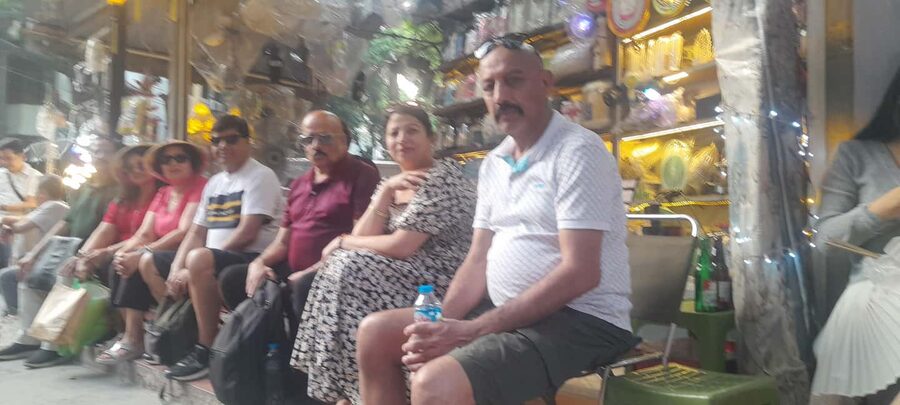
This tour is a great fit if you:
- Want an English-guided walk with context, not just a train photos stop
- Like street food and want to try pho, banh my, and Kem Xôi in one go
- Prefer small groups for better attention
- Are open to the reality that the train pass is not guaranteed
It may not be ideal if you:
- Use a wheelchair, since the activity is not suitable for wheelchair users
- Need a fully predictable, timed event. The train may come through or it might not.
One more policy note that affects your planning: pets are not allowed, and alcohol and drugs are not allowed. If you are traveling with anything like that, you will need to adjust.
Practical tips for your best Train Street moment
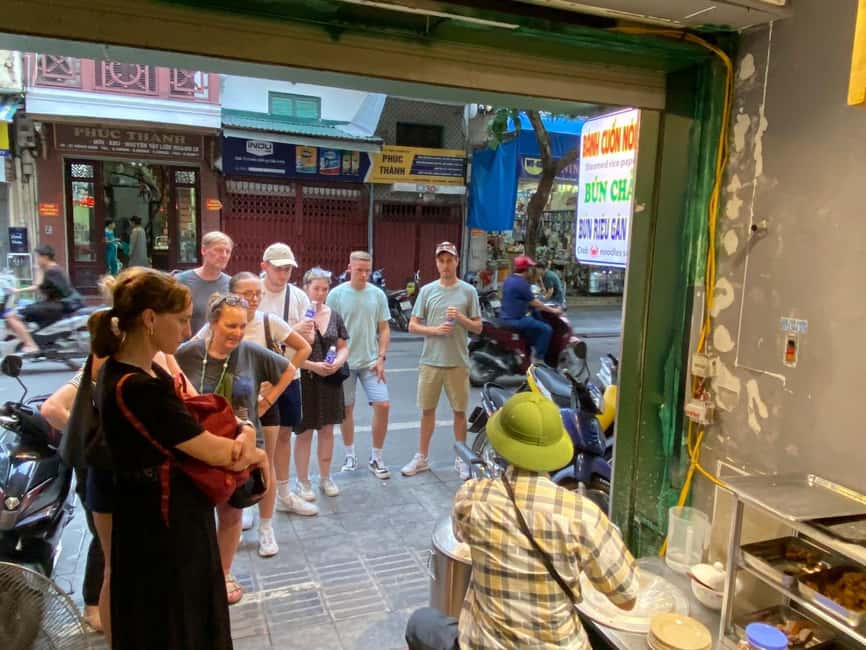
You cannot control the train schedule, but you can control how ready you are when it shows up.
Wear shoes you can stand in for a while. Narrow lanes do not always allow perfect posture, and waiting can take longer than you expect. Bring a small amount of cash for drinks and any food items not included. If you like photos, keep your camera ready but do not block others while you wait.
Also, think of this as a guided experience where your guide’s instructions help you get the best view. People who arrive late or confused often end up stuck at the back. If you follow the group and take cues from the guide, you usually get a better line of sight when the train comes.
Finally, for the food portion, pace yourself. Dry mixed pho is filling, banh my is rich and satisfying, and Kem Xôi gives you a sweet finish. If you go in starving and then also order extra drinks, you might feel weighed down before the dessert. A steady rhythm keeps it fun.
Should you book this Train Street history and local food tour?
Book it if you want a short, structured Hanoi experience that combines three things that often get separated on other tours: railway context, the close-up Train Street moment, and a meaningful food sequence. The small-group setup and the strong guide reputation, including names like Sang and Tony, are the kind of detail that usually makes the difference between a chaotic stop and a smooth one.
Skip it if you are looking for a guaranteed train pass at a specific time, or if you need wheelchair accessibility. Also be sure you understand that drinks at Train Street and lunch food are not included, so budget a little extra.
If you are flexible, hungry for local flavor, and curious about how Hanoi’s railway shaped life around it, this is a solid value way to spend a few hours in the Old Quarter.
FAQ
Where do we meet for the tour?
You meet at a travel agency shop in Hanoi Old Quarter, at 1 Tong Duy Tan street.
How much does the tour cost?
The tour is priced at $2.60 per person.
How long should I plan for the experience?
The duration is 1 to 3 hours, depending on the selected start time.
What is included in the tour price?
It includes an English local guide, a visit to Train Street to see the train passing, and 1 bottle of water.
Are drinks and lunch included?
Drink at Train Street and food for lunch are not included. Vegetarian options are available if you let them know in advance.
Is the train passing guaranteed while I am there?
The schedule may show they come daily, but sometimes trains do and sometimes not, so you are not guaranteed to see the train during your visit.
Can I get a vegetarian option?
Yes. A vegetarian option is available if you request it in advance.
What is the cancellation policy?
You can cancel up to 24 hours in advance for a full refund.
Is a private group available?
Yes, private group options are available.
More Train Street
- Hanoi: Guided Food Tour with Train Street Visit★ 4.9 · 6,239 reviews
- Hanoi: Street Food Tour with Train Street & Hidden Alleyways★ 5.0 · 2,831 reviews
- Hanoi: Guided Street Food Tour with Train Street Experience★ 4.9 · 2,479 reviews
- Hanoi City Tour Highlight, Train Street Combine visit Countryside★ 5.0 · 925 reviews
- Hanoi Jeep City Highlight, Backstreet, Train Street, Countryside★ 5.0 · 666 reviews
Other Hanoi tours our reviewers keep coming back to
- Hanoi Vespa After Dark Street food + Train Street+ Live Music
★ 5.0 · 18 reviews - (Free Pick-up) Vietnamese Body Massage in Hanoi City
★ 5.0 · 18 reviews - The Insider’s Hanoi,Train Street, Countryside Highlight by Vespa
★ 5.0 · 18 reviews - Skip the line: Thang Long Water Puppet Theater Entrance Tickets
★ 4.0 · 18 reviews - Hanoi Street Food Tour and MORE
★ 5.0 · 18 reviews - Hanoi – Hoa Lu – Tam Coc – Mua Cave – 1 Day / By Luxury Limousine & Small Group
★ 5.0 · 18 reviews
Hanoi Train Street, compared.
 ★ 4.9Hanoi: Guided Food Tour with Train Street VisitFrom $196,239 reviews
 ★ 5.0Hanoi: Street Food Tour with Train Street & Hidden AlleywaysFrom $202,831 reviews
 ★ 4.9Hanoi: Guided Street Food Tour with Train Street ExperienceFrom $172,479 reviews
 ★ 5.0Hanoi City Tour Highlight, Train Street Combine visit CountrysideFrom $59925 reviews
 ★ 5.0Hanoi Jeep City Highlight, Backstreet, Train Street, CountrysideFrom $55666 reviews
 ★ 4.9Hanoi: 7 Tastings Street Food Tour with Train StreetFrom $24541 reviews
 ★ 5.0Guided Hanoi Food Tour With Train Street 8 Different Food TastingFrom $30535 reviews
 ★ 5.0Walking Street Food Tour in Hanoi and Train StreetFrom $38503 reviews
Also in these Vietnam lists