
REVIEW · HANOI STREET FOOD TOURS
Vietnamese Bread & Brew: Banh Mi Baking Class & Specialty Coffee
The smell of fresh bread starts the whole day right. This is a Hanoi bánh mì baking class paired with traditional egg, coconut, or salt coffee, taught in an intimate home-kitchen setup where you actually make the food, not just watch. I like that it mixes street food history with practical, step-by-step cooking you can repeat at home. You’ll also get plenty of interaction, because the group is kept small.
Two things I really liked: you knead and shape the dough yourself, and you learn the coffee method too, not just the tasting. One possible drawback: this is hands-on, so if you want a relaxing food walk where you do minimal work, you may feel a little busy during the 4-hour session.
In This Review
- Key highlights you should care about
- First, what this Hanoi banh mi class really is
- Where you meet and how the session flows
- The hands-on dough part: kneading your own bánh mì base
- Pickling vegetables: the flavor engine of Hanoi bánh mì
- Fillings and sauces: meat or tofu, plus the key condiments
- Assembling your sandwich and eating what you made
- The coffee pairing: egg, salt, or coconut coffee, taught by doing
- Small group energy that actually helps you cook
- The extra value: wine tasting, recipe booklet, and certificate
- Who should book this Hanoi bread and brew class
- Practical tips so you get the most from your 4 hours
- Should you book Vietnamese Bread & Brew in Hanoi?
- FAQ
- How long is the banh mi baking class and coffee experience in Hanoi?
- What is the price per person?
- Where does the experience start?
- What will I learn to make?
- What’s included in the class?
- Is soda included?
- What is the cancellation policy?
Key highlights you should care about
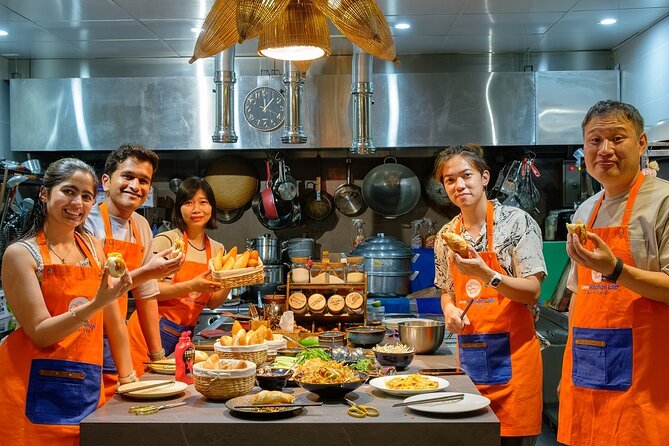
- Make banh mì dough from scratch, including kneading and assembling your own loaf
- Pickle and prep vegetable toppings so your fillings taste like the real balance of Hanoi bánh mì
- Learn coffee the traditional way, with egg coffee or salt coffee, plus coconut coffee as an option
- Small group format (max 15) so you get real attention from your English-speaking home chef
- Hygiene-forward setup, including top-grade ingredients and never-used oil
- Extra touches like homemade wine tasting, plus a digital recipe booklet and optional certificate
Still hungry in Hanoi? Try these routes
- Small Group Hanoi Street Food Tour with a Real Foodie★ 5.0 · 4,682 reviews
- Hanoi Street Food Tour with local delicacies★ 5.0 · 1,506 reviews
- Hanoi Coffee Workshop: Taste Salt, Coconut and Egg Coffee★ 5.0 · 1,286 reviews
- Private Hanoi Street Food Walking Tour With Real Foodie★ 5.0 · 1,042 reviews
First, what this Hanoi banh mi class really is
If you’ve ever eaten bánh mì in Vietnam and thought, I could never recreate that at home, this kind of class targets that exact problem. You’re not just making one component. You’re learning the logic behind the whole sandwich, from dough to pickles to sauces to fillings. That matters, because bánh mì tastes simple only on the outside. The flavor comes from timing, texture, and that sweet-sour-salty balance that street vendors get right almost automatically.
The coffee pairing is not an afterthought either. Hanoi egg coffee, salt coffee, and coconut coffee all come from specific local habits and flavors. You get to learn the process, so you’ll know what you’re aiming for when you try it later. And you’re doing it in a home kitchen, which keeps the atmosphere casual and human, not staged.
Price-wise, $34 for about 4 hours is fairly reasonable for a class that includes ingredients, tools, and guided cooking. What makes it better value is the pairing: you’re paying for both bánh mì and coffee instruction, not just one. Also, the small-group size helps you get more direct help rather than cooking in a crowded kitchen where you’re mostly waiting.
Where you meet and how the session flows
You start at Love Kitchen Lab, 519 Đ. Âu Cơ, Nhật Tân, Tây Hồ, Hà Nội 10000, Vietnam. The class is designed to return you to the meeting point afterward, so you’re not stuck figuring out a second transport leg.
This matters more than people think. In food classes, the best ones run on one tight loop. You get oriented fast, you’re not hauling gear around, and you can stay focused on the cooking. Here, you also get free luggage storage for up to 2 days, which is a nice bonus if you’re in Hanoi for more than a night and don’t want to drag bags to every activity.
The session is roughly 4 hours. That’s long enough to knead, prep, assemble, and brew, without feeling like you’re spending half your day in a classroom. And because it’s capped at 15 travelers, you should expect a steady rhythm of instruction, with time to ask questions while your hands are busy.
The hands-on dough part: kneading your own bánh mì base
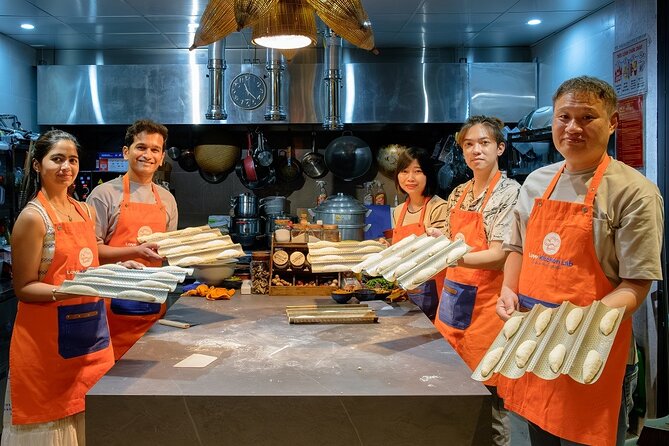
The class begins in a local home kitchen where your English-speaking host frames what makes bánh mì work, including how the bread has roots in French influence and how it became a Vietnamese street-food icon. Then comes the part most people actually remember later: you start making the bread component.
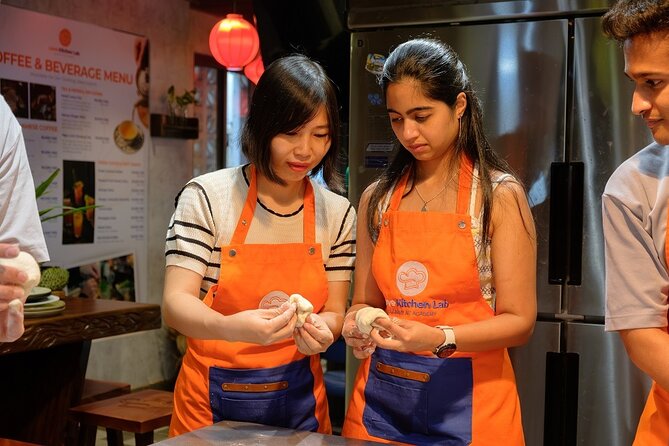
You knead the dough from scratch. That’s a big deal because bánh mì bread is all about texture: you want the right feel in the dough before it ever hits heat. Kneading teaches you what “proper dough” feels like, and that’s the difference between copying a recipe and understanding it. Instead of just following measurements, you learn the signals your dough gives you.
Also, the setup emphasizes hygiene. You’re using fresh, top-grade ingredients, and the class notes the use of never-used oil. That may sound like a small detail, but it directly affects comfort when you’re cooking with your hands and sharing a kitchen environment.
One thing to keep in mind: bread dough work can be a little messy at first. Your hands get involved. If you’re the type who hates getting flour on your sleeves, plan to dress accordingly.
Pickling vegetables: the flavor engine of Hanoi bánh mì
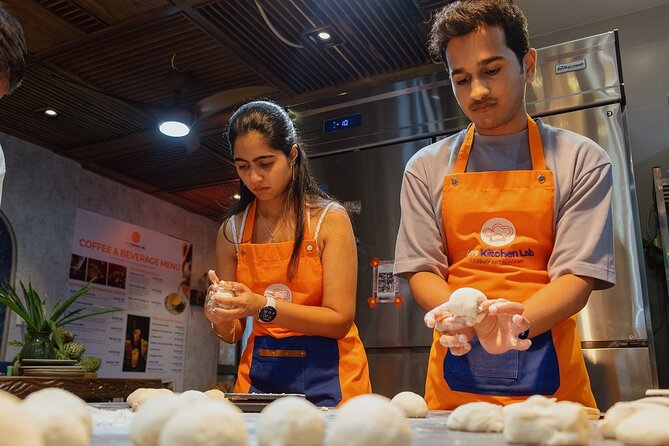
Once dough work starts, the class shifts into the toppings that give bánh mì its signature bite. You’ll pickle vegetables and prep them for the sandwich. This step is where the “street food magic” turns into something you can control at home.
Pickled veg is not just crunch. It adds brightness and acidity that cuts through rich fillings. It also makes the whole sandwich taste less heavy, even when you’re using meat, tofu, or other fillings. In a good class, you learn how much sourness you want, how the vegetables should look and feel, and why timing matters.
In practical terms, this is where you start building confidence. You’ll see the sandwich come together in layers, and the class helps you understand how the balance is made, not guessed.



Fillings and sauces: meat or tofu, plus the key condiments
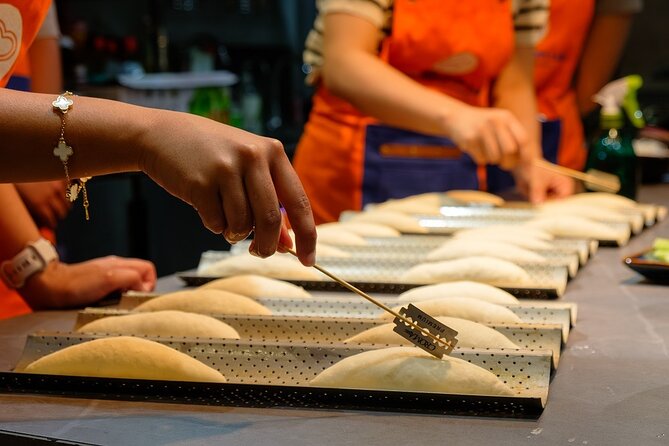
Bánh mì is flexible, and you’ll learn to build savory fillings. The class includes both meat and tofu options, so you can expect choices depending on what you’re offered or how the group is set up.
Then you mix the essential sauces. This is the part that people often skip when they try to recreate bánh mì later. Many recipes focus on bread and fillings, but the sauces are what bring everything into harmony. When you learn the sauce mixing in the same setting where you assemble the sandwich, it’s easier to remember ratios and texture.
It also helps that you don’t just get shown once. You get hands-on guidance while you’re working, and the class is described as methodical and easy to follow. One of the best parts of small classes is that the instructor can slow down when you need to catch up, rather than rushing to the next step for the entire group.
Assembling your sandwich and eating what you made
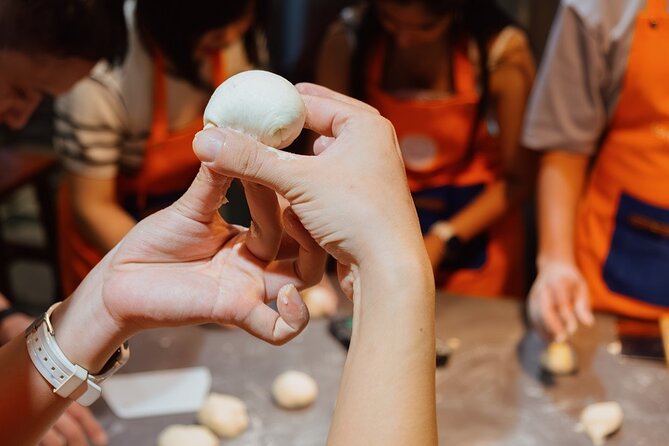
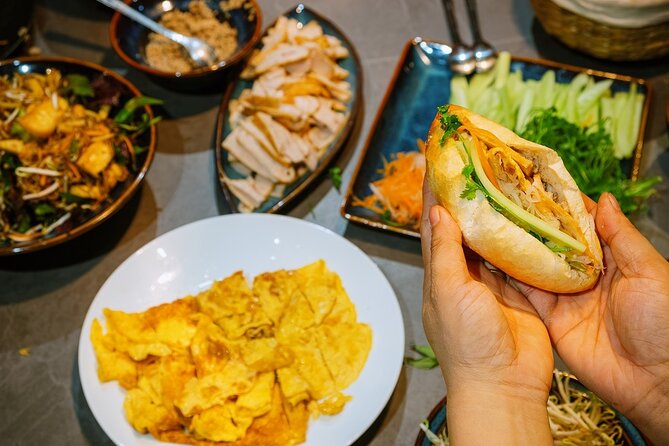
After the prep, you assemble your own bánh mì and then you eat your creation with the hosts and fellow participants. This is not a tiny snack either. It’s your payoff moment, and it’s also where you can compare your sandwich to what you’ve tasted on Hanoi streets.
What I like about this portion is the social, home-kitchen feel. You’re not being herded through a photo moment. You’re eating at a pace that lets you taste and notice details, like how the pickles interact with the filling, and whether your sauce distribution landed where you wanted it.
If you’re cooking with unfamiliar ingredients or techniques, this is where the learning clicks. You can feel the texture differences and understand why the class teaches certain steps in a particular order.
The coffee pairing: egg, salt, or coconut coffee, taught by doing
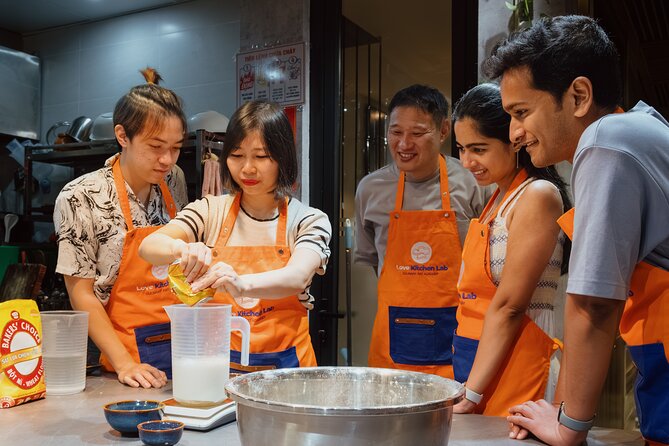
No Hanoi food pairing feels more iconic than banh mì and coffee. Here, you get to explore Vietnamese coffee culture and brew one of the specialty types. The class includes tasting and instruction for either egg coffee or salt coffee, plus coconut coffee as another option.
Egg coffee is famous for its creamy foam-like top, created using traditional methods. Salt coffee gets its character from balancing salt with richness, so it tastes less like a dessert and more like a carefully tuned cup. Coconut coffee leans into tropical sweetness, again with a specific local style.
The key point is that you learn brewing method, not just ordering a drink. When you understand how the coffee is prepared, you’ll know what to look for if you try to recreate it later, whether that’s foam texture, thickness, or how strong it feels.
Coffee classes can sometimes turn into tasting only. This one includes hands-on learning, so you should expect some real technique.
Small group energy that actually helps you cook
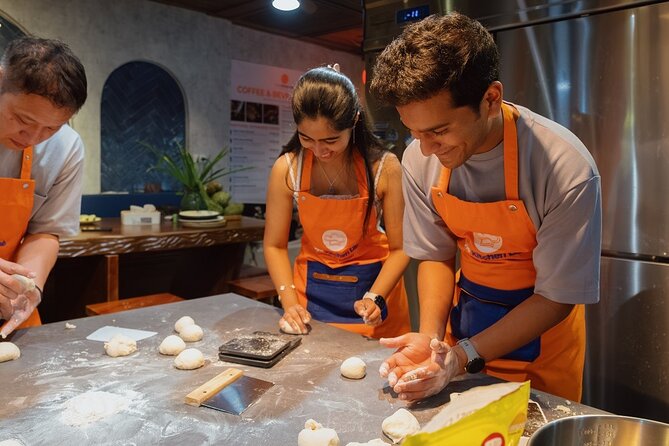
A big part of the appeal is the format. The group is limited to a maximum of 15, and participants are assigned roles so everyone has a purpose. That matters in a class like this, because dough work needs attention, and toppings need prep time. When people have clear roles, you’re not standing around wondering what comes next.
I also noticed a strong emphasis on step-by-step guidance. The class is described as detailed and methodical, which is exactly what you want when you’re making bread and coffee. Bread can’t be rushed. Coffee can’t be faked. Clear instruction helps you keep moving without getting lost.
If you like learning in a friendly, slightly humorous atmosphere, the staff being described as accommodating and funny is a good sign. That translates to fewer stiff lectures and more comfortable question-asking.
The extra value: wine tasting, recipe booklet, and certificate
This class throws in a few thoughtful extras. You get free homemade wine tasting, which is a nice way to round out the meal beyond coffee. It’s not the main event, but it adds a local feel that you don’t always get in cooking classes focused strictly on food production.
Afterward, you receive a free digital recipe booklet. That’s useful because you’ll have more than one thing to remember: bread method, pickles, sauces, fillings, plus your coffee approach. A booklet helps you turn a great experience into something you can redo later.
You can also request a cooking certificate. That’s mainly fun, but it signals that the organizers treat the class like a real skill session, not just a quick activity.
Who should book this Hanoi bread and brew class
I think this experience is best for you if:
- You love eating bánh mì and want to understand the mechanics behind the flavor
- You’re interested in Vietnamese coffee culture and want a practical way to brew egg or salt coffee
- You learn well when you cook alongside an instructor, asking questions while you work
- You want an experience with a local home kitchen feel, not a big group factory
It might be less ideal if:
- You hate hands-on tasks like kneading dough or mixing sauces
- You prefer food tours where you mostly observe
- You’re short on time and just want a quick bite, since this is a 4-hour session
Practical tips so you get the most from your 4 hours
Plan your expectations first. You’ll be doing real prep and cooking, so wear comfortable clothes you don’t mind getting a little flour or kitchen residue on. Consider bringing a small towel or having a plan for hand cleaning, especially if you tend to get dough under your nails.
Second, ask questions as you go. This is where the class’s methodical style pays off. If you’re unsure about dough feel, pickling texture, or sauce consistency, get clarification early rather than waiting until assembly.
Third, if coffee is the highlight for you, pay attention during the brewing steps, not only during tasting. The flavor comes from the method, and you’ll get more value when you understand what creates the result.
Finally, try to linger a bit at the eating stage. That’s when you can connect what you did with what you tasted, and it helps the recipes stick in your head when you’re back home.
Should you book Vietnamese Bread & Brew in Hanoi?
If you want a hands-on, small-group class that teaches you how to recreate Hanoi bánh mì and a specialty egg or salt coffee style drink, I think this is an excellent buy. The $34 price feels fair for the combination of instruction, ingredients, and equipment, plus the included wine tasting and the recipe booklet you take home.
I’d book it if you like learning by doing and you want a real home-kitchen experience where you get help, not just a demonstration. And if you’re the kind of traveler who remembers recipes only when you’ve made them yourself, this class is built for you.
If you tell me your dietary preferences (meat or tofu, and any coffee preferences), I can suggest what to focus on during the session.
FAQ
How long is the banh mi baking class and coffee experience in Hanoi?
It runs for about 4 hours.
What is the price per person?
The price is $34.00 per person.
Where does the experience start?
It starts at Love Kitchen Lab, 519 Đ. Âu Cơ, Nhật Tân, Tây Hồ, Hà Nội 10000, Vietnam.
What will I learn to make?
You’ll learn to make bánh mì from scratch, including kneading baguette dough, pickling vegetables, preparing fillings (meat or tofu), and mixing sauces. You’ll also learn to make egg coffee and/or salt coffee, with coconut coffee as an option.
What’s included in the class?
Included items are guidance from an English-speaking home chef, hands-on experience, all ingredients and cooking equipment, free luggage storage for up to 2 days, free homemade wine tasting, and a digital recipe booklet and cooking certificate upon request.
Is soda included?
No. Soda or pop beverages are not included.
What is the cancellation policy?
Free cancellation is available. You can cancel up to 24 hours in advance for a full refund, and changes within 24 hours are not accepted.
Hanoi, Another Round
- Small Group Hanoi Street Food Tour with a Real Foodie★ 5.0 · 4,682 reviews
- Hanoi Street Food Tour with local delicacies★ 5.0 · 1,506 reviews
- Hanoi Coffee Workshop: Taste Salt, Coconut and Egg Coffee★ 5.0 · 1,286 reviews
- Private Hanoi Street Food Walking Tour With Real Foodie★ 5.0 · 1,042 reviews
- Eat Like a Local: Hanoi Street Food Adventure★ 5.0 · 841 reviews
Other Hanoi tours our reviewers keep coming back to
- Hanoi Vespa After Dark Street food + Train Street+ Live Music
★ 5.0 · 18 reviews - (Free Pick-up) Vietnamese Body Massage in Hanoi City
★ 5.0 · 18 reviews - The Insider’s Hanoi,Train Street, Countryside Highlight by Vespa
★ 5.0 · 18 reviews - Skip the line: Thang Long Water Puppet Theater Entrance Tickets
★ 4.0 · 18 reviews - Hanoi Street Food Tour and MORE
★ 5.0 · 18 reviews - Hanoi – Hoa Lu – Tam Coc – Mua Cave – 1 Day / By Luxury Limousine & Small Group
★ 5.0 · 18 reviews
Hanoi Street Food Tours, compared.
 ★ 5.0Small Group Hanoi Street Food Tour with a Real FoodieFrom $284,682 reviews
 ★ 5.0Hanoi Street Food Tour with local delicaciesFrom $281,506 reviews
 ★ 5.0Hanoi Coffee Workshop: Taste Salt, Coconut and Egg CoffeeFrom $161,286 reviews
 ★ 5.0Private Hanoi Street Food Walking Tour With Real FoodieFrom $361,042 reviews
 ★ 5.0Eat Like a Local: Hanoi Street Food AdventureFrom $29841 reviews
 ★ 5.0Hanoi Food Tours in Hanoi Old Quarter (Small Group/Private)From $28657 reviews
 ★ 5.0Hanoi Food ToursFrom $27583 reviews
 ★ 5.0Guided Hanoi Food Tour With Train Street 8 Different Food TastingFrom $30535 reviews
Also in these Vietnam lists