
REVIEW · VIETNAM
Vietnam War: Uncovering Hanoi’s Untold Stories
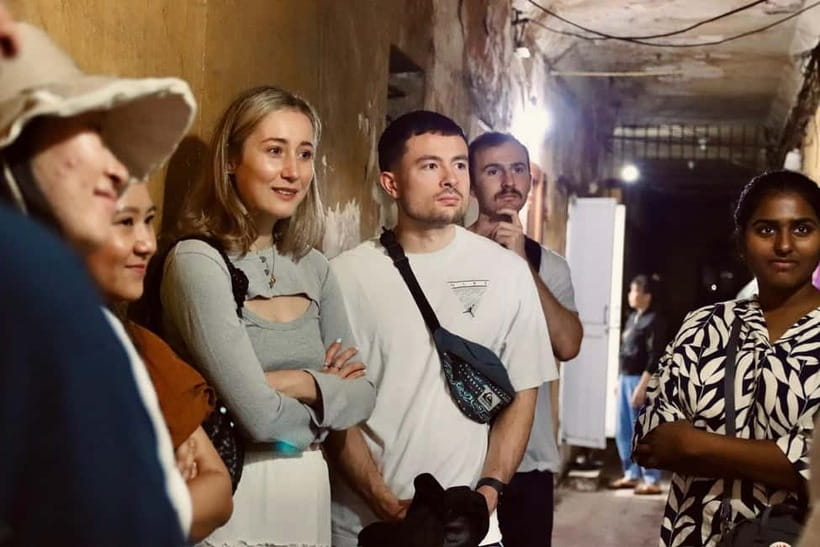
Hanoi tells war stories beyond the usual sights. This walk threads through Cho Gioi and Kham Thien, where you hear how the country split, lived under a planned economy, and unified on the edge of the Cold War. Along the way, you also reach Hanoi Train Street, so the past and present sit side by side instead of staying behind a fence.
I love the way the tour stays human and chatty. Guides such as Kien or Dung share stories with real context, and you can ask questions without the tone turning into a lecture. I also love the focus on everyday life, not just headlines, with stops that take you into parts of Hanoi that most visitors never see.
One possible drawback: if you mainly want big, dramatic war monuments, this experience may feel more like a neighborhood history walk than a battlefield sightseeing day, so you might want a different kind of tour to match your expectations.
In This Review
- Key things I found most compelling
- Hanoi War Stories, Told Where the Monuments Stop
- Meeting at 24B Chua Vua Street, and How the 3-Hour Walk Moves
- Cho Gioi Area: Planned Economy Life in a Neighborhood
- Kham Thien War Memorial: Holding the War in One Stop
- Hanoi Train Street: The Present-Day Pause That Changes Everything
- Price and Value: What $28 Buys You in Hanoi
- What to Ask Your Guide So the Walk Stays Personal
- Practical Notes: Who This Tour Fits, and Who Should Skip It
- Should You Book This Hanoi War Stories Walk?
- FAQ
- How long is the Hanoi Vietnam War walking tour?
- How much does it cost?
- Where is the meeting point?
- What stops will we visit?
- Is coffee or tea included?
- What language is the tour offered in?
- What should I bring or wear?
- Is the tour suitable for everyone?
- Does the tour run in the rain?
Key things I found most compelling
- People-first storytelling with room for questions, guided by locals like Kien and Dung
- Cho Gioi area for a ground-level view of life during division and rationing-era planning
- Kham Thien B52 memorial with context that connects the war to real futures
- Train Street stop for a present-day pause, with time to order a drink and soak in the scene
- A short taxi ride halfway that keeps the walk comfortable and efficient
- 20% of profit donated to Agent Orange/Dioxin victims and Blue Dragon Children’s Foundation
Narrowing it down? These Hanoi tours kept surfacing in our reviews.
- Hanoi Jeep Tour: Food, Culture and Fun by Vietnam Army Jeep★ 5.0 · 15,222 reviews
- Full-Day Ninh Binh Highlights Tour from Hanoi★ 5.0 · 7,761 reviews
- Hanoi: Ha Long Bay Day Cruise – Swimming, Meal, Kayaking★ 4.7 · 7,415 reviews
- Hanoi: Water Puppet Show Tickets★ 4.6 · 7,029 reviews
Hanoi War Stories, Told Where the Monuments Stop
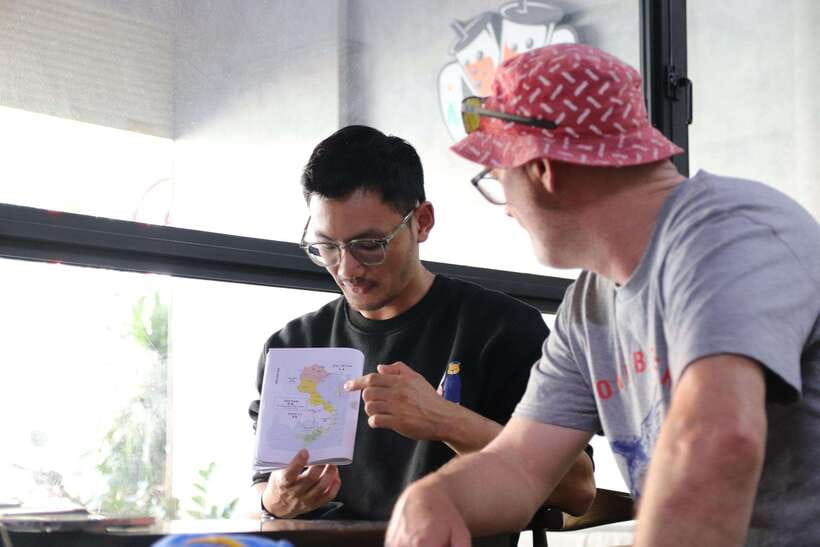
If you have only seen Hanoi through its most famous memorial walls, this walk changes the angle. It does not try to compete with the big sites. It explains what life looked like when the country was divided, when planning replaced free choice, and when “belonging” came with consequences on multiple sides.
The core theme is simple and heavy at the same time: what happens to ordinary people when national politics take over daily life. You talk about the planned economy and how local lives shaped up differently depending on whether they were in the North or the South. Then you connect it to the unification story, the moment Vietnam moved toward a single national future while the Cold War hovered in the background.
Guides keep the tone relaxed. You’re not expected to memorize a timeline. You’re meant to understand why choices were limited, why people adapted, and why the effects lasted long after the fighting changed shape.
Meeting at 24B Chua Vua Street, and How the 3-Hour Walk Moves
This is a 3-hour stroll with a short taxi ride halfway through. That matters more than it sounds. Hanoi streets can be twisty and stop-and-go. Breaking the route with a taxi lets the walk stay focused, so you do not spend the whole time fighting traffic.
You start at 24B Chua Vua Street, about 2.5 km from Hoan Kiem Lake or 3.5 km from Hanoi Old Quarter. The meeting point is in front of Trường Tung học cơ sở Đoàn Kết, with a coffee shop and several second-hand bicycle stores nearby. You end back at the same place, so you do not need to re-plan the rest of your day.
It runs rain or shine. If the forecast looks wet, bring an umbrella or a light raincoat. You’ll be on foot enough that getting soaked is annoying. Comfortable shoes are a must.
Language-wise, the guide leads in English, and the pace is designed for conversation. You’re encouraged to talk back, not just take notes.
Cho Gioi Area: Planned Economy Life in a Neighborhood
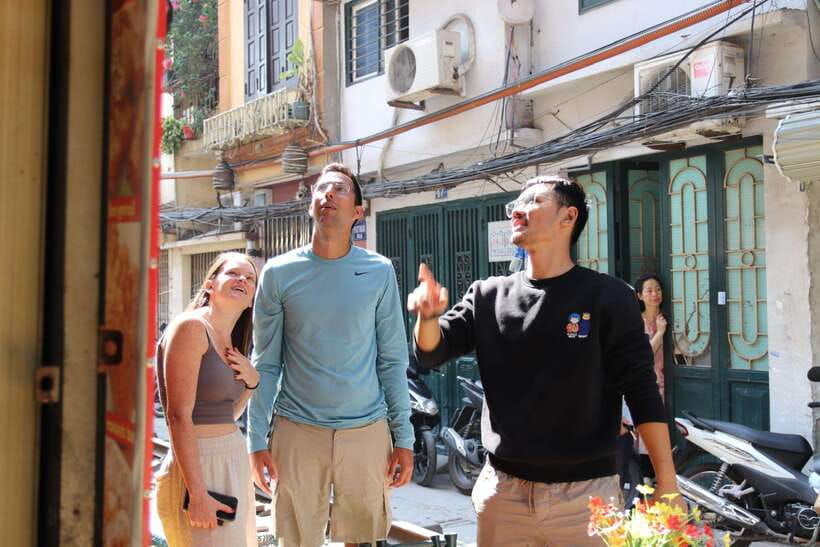
The heart of the experience is the walk through the Cho Gioi area. This is where the tour shifts from general war talk to lived reality. Instead of focusing only on dates and leaders, you look at the kinds of places where daily life happened: trade lanes, community space, and the routines people built around scarcity and rules.
One of the strongest parts of the experience is the way the guide frames life under a planned economy without turning it into a dry textbook chapter. You learn what planning did to work, what it did to access, and how local people adjusted. You also hear the idea that division did not only change borders. It changed what people feared, what they hoped for, and what risks they took.
You’ll also get the kind of access that is hard to get on your own. In some versions of this route, the guide takes you into a place that shows how communal living worked, like a communal housing block lobby. It’s not flashy. That’s the point. These small “inside looks” are where the big historical themes become visible.
If you like history that you can point to and touch, you’ll probably enjoy the Cho Gioi segment the most. It’s the closest thing on the route to a real “behind the scenes” lesson, without the museum vibe.
Kham Thien War Memorial: Holding the War in One Stop
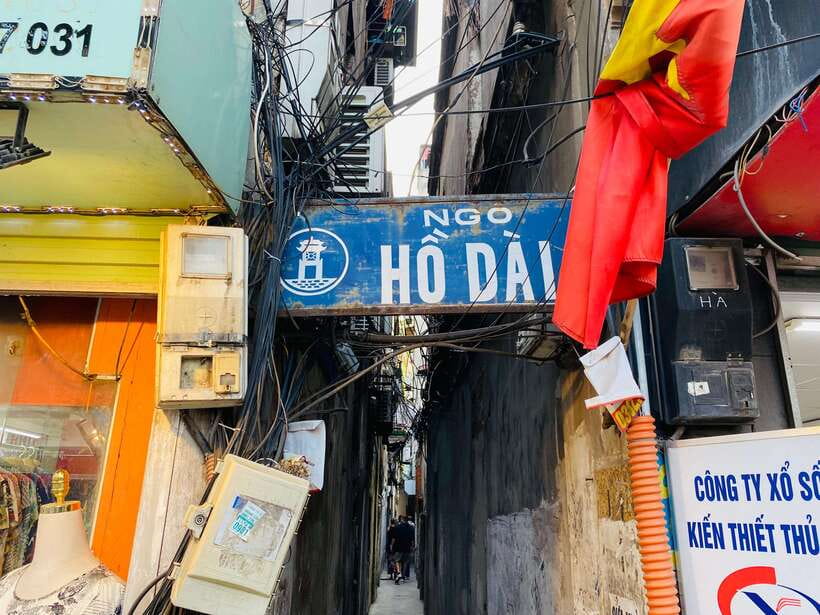
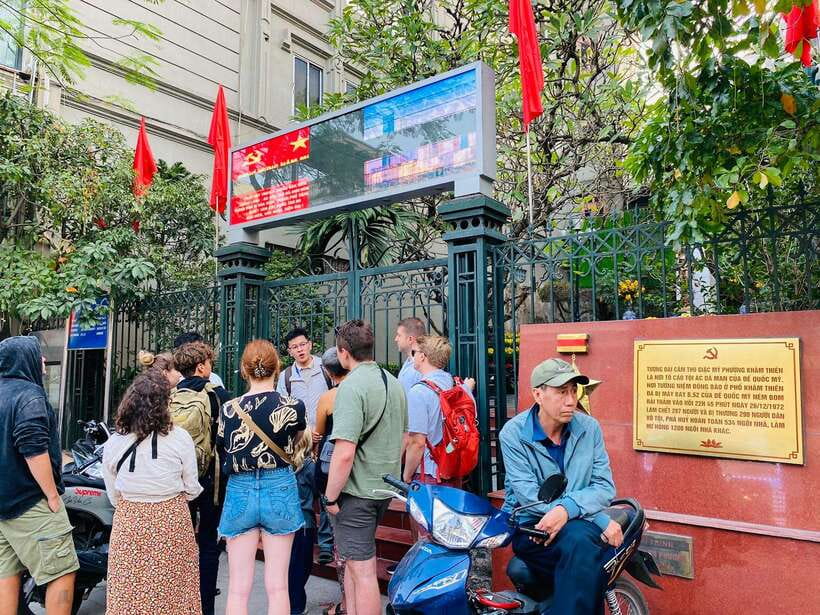
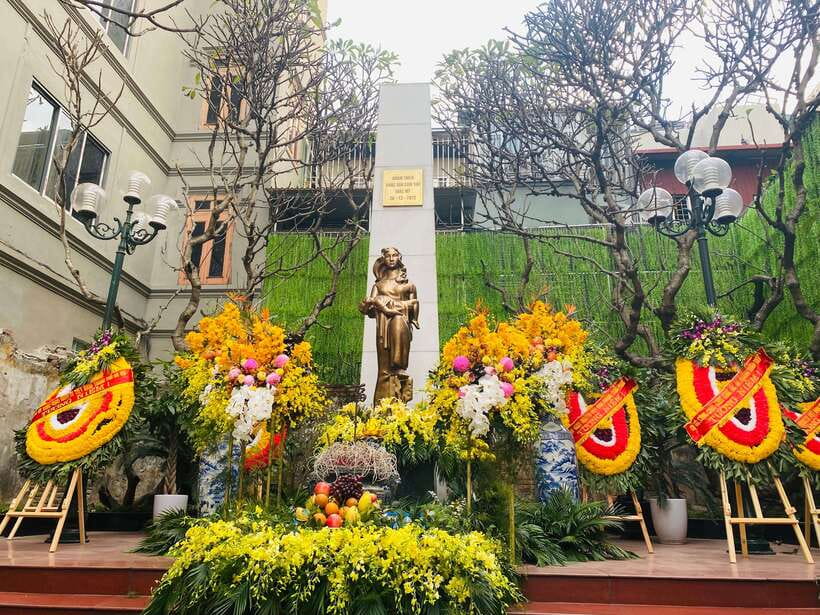
Then you shift to the Kham Thien War memorial, tied to a B52 in the name. This is where the tour leans harder into the war’s impact. You take time to slow down and reflect, and you connect that moment to what followed for Vietnamese families and communities.
What I like here is the balance. The memorial moment does not float in isolation. The guide links it back to the story of division, how life was reshaped in the North and the South, and why unification mattered beyond politics. In other words, you’re not just told that the war happened. You see how it shaped the “after” part that many war summaries skip.
You may also pause for references connected to well-known bombing campaigns, including the Christmas bombing theme that comes up during the tour walk. Even when you already know the basics, the way it’s explained here helps you understand why civilians remember things differently than official history does.
This stop is also a good checkpoint for your own mood. If you find heavy topics hard, this is where you feel it most. Wear breathable clothes and keep water handy. You don’t want to rush a memorial visit because you feel uncomfortable in your body.


Hanoi Train Street: The Present-Day Pause That Changes Everything
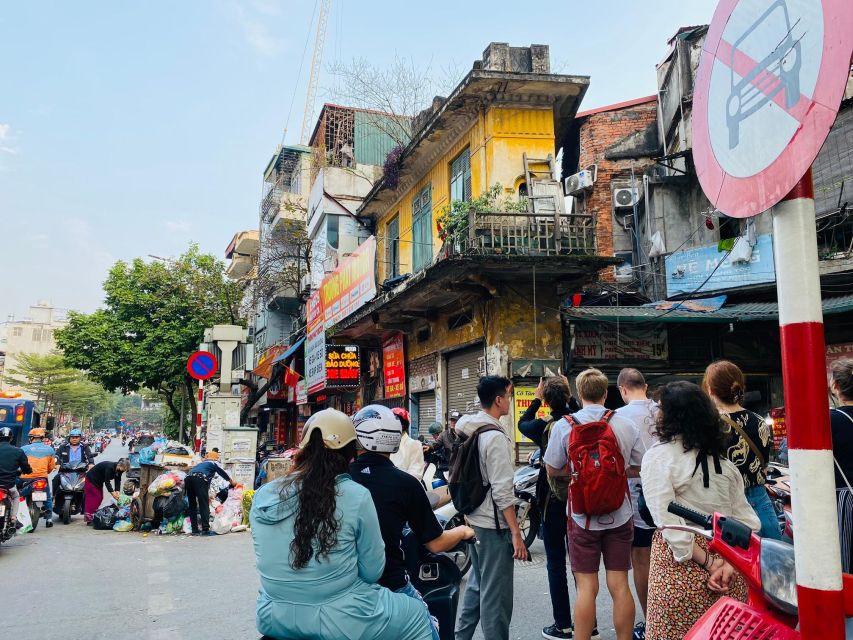
Ending at Hanoi Train Street is a smart choice. It breaks the emotional weight before your brain locks into war mode for the rest of the day. The guide takes you to the area for a drink and conversation time, and it becomes a lens for the present.
This is also where you can compare what you just learned with what you see right now. People are eating. People are talking. You’re watching a city keep going, even with a past that still pushes against the present.
Train Street is especially effective as a theme stop because it forces you to ask a quiet question: what does recovery look like in a city? Not in slogans. In ordinary life. The tour gives you the context to interpret what you’re seeing, instead of treating it like a quirky photo spot.
The coffee or tea is included, and the guide will time the stop so you can rest your legs and reset your focus. If you want to order snacks as well, you’ll likely find options nearby, but you do not need to turn the visit into a full meal. Think of it as a breather and a reflection point.
Price and Value: What $28 Buys You in Hanoi
At $28 per person, the value comes from three things.
First, it’s not a long sightseeing binge. You get about three hours of guided storytelling, plus the taxi break to keep the route efficient. That saves your energy and your feet, which is the kind of value you feel immediately.
Second, you get local context that most guidebooks do not organize for you. The tour is built around lived experiences, the planned economy, and the fate of communities from both sides of the divide. If you’re trying to understand Vietnam beyond surface-level slogans, this kind of framing can make the rest of your trip click.
Third, 20% of the profit is donated to the Vietnam Association for Victims of Agent Orange/Dioxin and the Blue Dragon Children’s Foundation in Hanoi. That does not “fix” history. But it does connect your visit to the real-world aftermath that is still present.
Add in the basics that are covered, like coffee or tea and a tour guide, and the price starts to feel fair for a tour that focuses on people, place, and understanding.
What to Ask Your Guide So the Walk Stays Personal
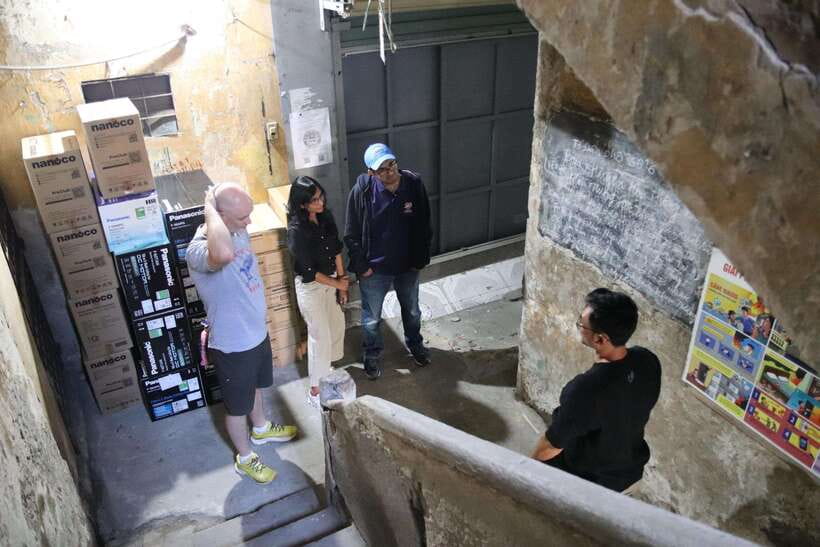
The best tours are made by questions. This one is built for them. If you want to squeeze the most meaning out of the route, ask a couple of grounded questions:
- How did the planned economy affect daily life at the neighborhood level?
- What did unification change for ordinary people, not just the political story?
- What do you think people in Hanoi remember most strongly about the division period?
- Where should I look next in Hanoi if I want to understand more of the local perspective?
Guides like Kien and Dung are often praised for their storytelling style and clear English, plus their willingness to answer questions. If you bring curiosity, the tour gives you a format to use it.
Practical Notes: Who This Tour Fits, and Who Should Skip It
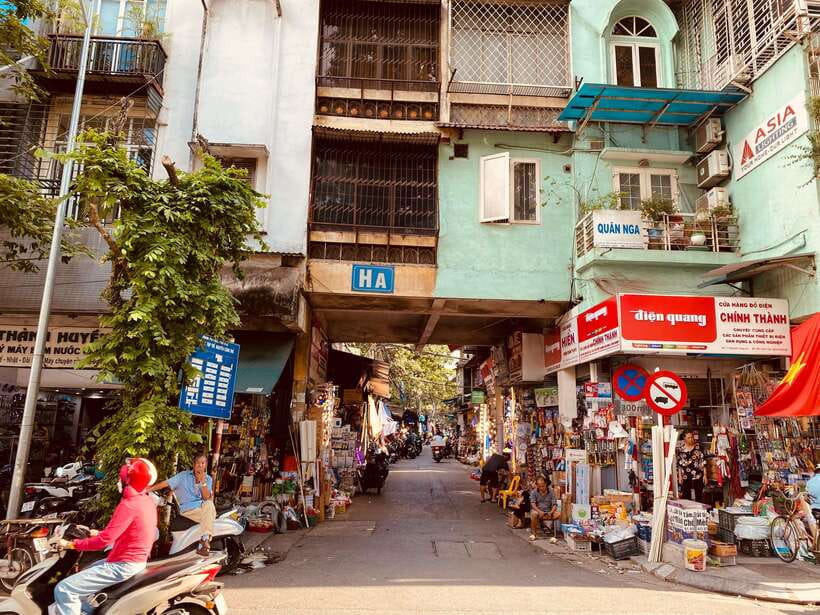
This is a walking tour, so comfortable shoes and breathable clothing matter. You’re moving through streets and alleys, not just crossing big plazas.
It is rain or shine, so plan for weather. If you get cold easily, bring a light layer. If you get heat-stressed, drink water beforehand, then sip during the tea or coffee break.
It also has clear limits: it is not suitable for people with vertigo and not suitable for people with epilepsy. If either applies, skip this one for safety and pick something else that fits your needs.
If you like war history but want it explained through everyday life, this tour is a great match. If you only want dramatic battlefield-style sights, you might feel under-satisfied. This route is about meaning, not spectacle.
Should You Book This Hanoi War Stories Walk?
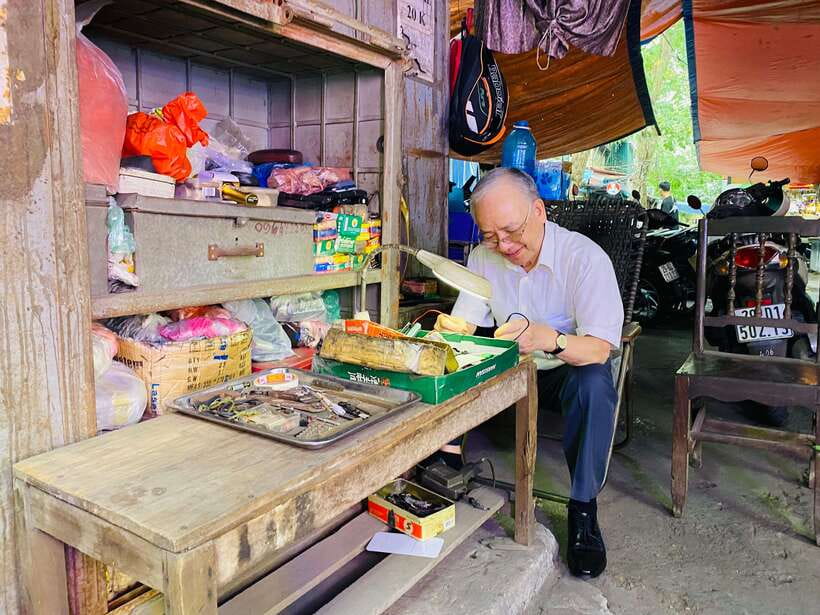
Book it if you want Hanoi to make sense in a deeper way. This experience does a good job of turning the Vietnam War into something you can connect to daily life: a planned economy, a divided country, and the long shadow that followed. It also gives you a present-day counterpoint at Train Street, so you end with understanding, not just heavy feelings.
Skip it if your goal is purely iconic war landmarks and nothing else. This tour moves through neighborhoods and memorial context, with conversation-style storytelling leading the pace.
If you’re curious, ask a few questions, and wear shoes you can trust. You’ll come away with a stronger sense of how Hanoi carries its past in the streets you can actually walk through.
FAQ
How long is the Hanoi Vietnam War walking tour?
The stroll lasts about 3 hours, with a short taxi ride halfway through.
How much does it cost?
It costs $28 per person.
Where is the meeting point?
You meet at 24B Chua Vua Street, in front of a secondary school called Trường Tung học cơ sở Đoàn Kết. It is about 2.5 km from Hoan Kiem Lake or 3.5 km from Hanoi Old Quarter.
What stops will we visit?
The tour includes the Cho Gioi area, the Kham Thien War memorial, and Hanoi Train Street. It ends back at the meeting point.
Is coffee or tea included?
Yes. Coffee or tea is included.
What language is the tour offered in?
The tour is available in English.
What should I bring or wear?
Wear comfortable shoes and breathable clothing. Since it operates rain or shine, bring an umbrella or raincoat if the forecast looks wet.
Is the tour suitable for everyone?
It is not suitable for people with vertigo or people with epilepsy.
Does the tour run in the rain?
Yes, it operates rain or shine. Check the forecast the day before and plan accordingly.
Other Hanoi tours our reviewers keep coming back to
- Hanoi Vespa After Dark Street food + Train Street+ Live Music
★ 5.0 · 18 reviews - (Free Pick-up) Vietnamese Body Massage in Hanoi City
★ 5.0 · 18 reviews - The Insider’s Hanoi,Train Street, Countryside Highlight by Vespa
★ 5.0 · 18 reviews - Skip the line: Thang Long Water Puppet Theater Entrance Tickets
★ 4.0 · 18 reviews - Hanoi Street Food Tour and MORE
★ 5.0 · 18 reviews - Hanoi – Hoa Lu – Tam Coc – Mua Cave – 1 Day / By Luxury Limousine & Small Group
★ 5.0 · 18 reviews