
REVIEW · CRAFT VILLAGES AND AO DAI WORKSHOPS
Thanh Ha Village: Pottery Workshop with Locals
If you want a quieter side trip from Hoi An, Thanh Ha Pottery Village is a great pick, because you learn centuries-old hand pottery methods while you chat with the people who still practice them day to day. I love the hands-on class format, where you actually shape and decorate your own piece instead of just watching. I also like that it is relaxed and beginner-friendly, so you are not expected to already know anything about clay.
The one thing to consider is practical, not artistic: the village entry ticket is extra (35,000 VND), and the workshop setup is simple, so it is not a good fit if you use a wheelchair or have mobility limits.
In This Review
- Key things to know before you go
- Why Thanh Ha Pottery Village feels like a real local stop
- Getting there: meeting point and how the day starts
- The pottery class flow: what happens in your 30 minutes
- What you make: from clay shape to painted souvenir
- Village time after your workshop: what to do nearby
- Price and value: why $8 is a real deal, with one fine print
- Language and coaching: what to expect when English gets limited
- The small tourist traps to avoid around the village
- Who this pottery workshop suits best
- Quick booking checklist before you go
- Should you book Thanh Ha Ha Village pottery with locals?
- FAQ
- Do I need to pay the Thanh Ha village entrance fee separately?
- How long is the pottery workshop?
- Do I need any prior pottery experience?
- What is included in the price?
- What language will the instructor speak?
- What should I plan to do after the class?
- Is hotel pickup and drop-off included?
- Is the workshop wheelchair accessible?
- What is the experience cost?
Key things to know before you go
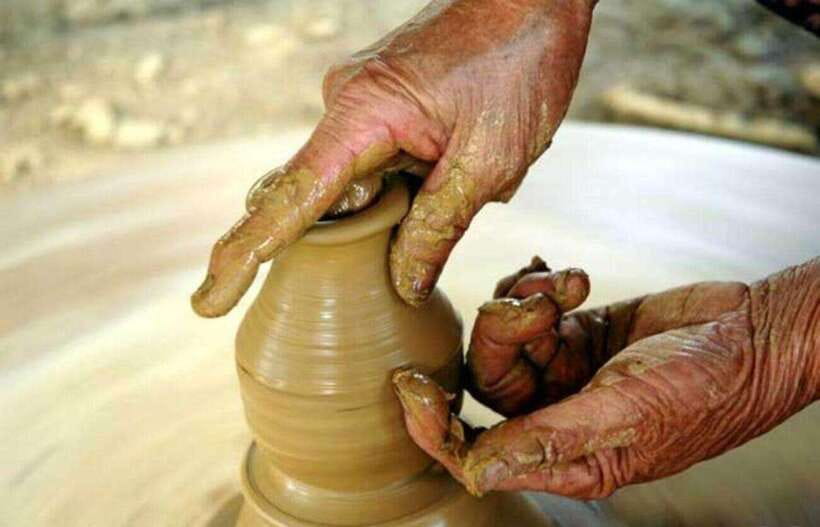
- Hand and foot pedal pottery traditions, made without molds, so your piece is truly one-of-a-kind
- A short, fun class (pottery-making around 20 minutes, often closer to about an hour total)
- You keep what you make, plus a small included gift from the workshop/village area
- English support is limited by the craftsman, but the instructor is there to guide you
- You can paint and decorate your souvenir, sometimes including silly shapes like whistle designs
- Village time after the workshop to wander quiet lanes and see local landmarks like Xuan My Communal House and Nam Dieu Temple
Why Thanh Ha Pottery Village feels like a real local stop
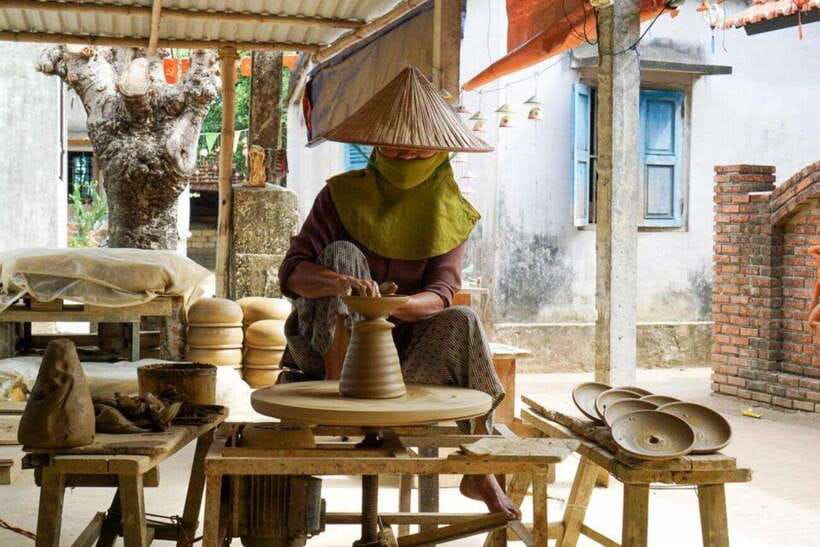
Thanh Ha Pottery Village is one of those Hoi An side trips that does not feel like a stage set. It is just families working clay and sharing their process, and you get to step right into that rhythm for a short session.
For hundreds of years, local potters here have made everyday items by hand, using clay shaping techniques that skip molds. That means your finished souvenir is not a mass-produced copy, even though your class is beginner simple. You are basically learning how a tradition moves from raw earth to something useful, then turning it into your own decorated version.
Also, the vibe is peaceful. You are not stuck in a long tour loop through crowded streets. Instead, you get quiet village lanes, craft work happening around you, and a calm pace that actually makes it easy to pay attention to what you are doing.
Getting there: meeting point and how the day starts
Your experience meets at Nguyen Sau Pottery Workshop, near Terra Cotta Homestay and Hostel. This matters because Thanh Ha is not hard, but it is not the kind of place where everything is labeled for you either. If you arrive early, take a minute to confirm you are at the right workshop entrance before you hand over your name.
You are also told the booking helps you with skipping the ticket line, but here is the catch: the village entry ticket is not included. You still need to stop at the ticket counter and pay the 35,000 VND entrance fee for the village.
One more heads-up from the practical side. Some spots around craft villages try to lure you in and may claim your booking is for them. It is common in tourist areas like this. My advice is simple: check your meeting point, find your specific workshop contact, and only commit once you are sure you are in the right place.
The pottery class flow: what happens in your 30 minutes
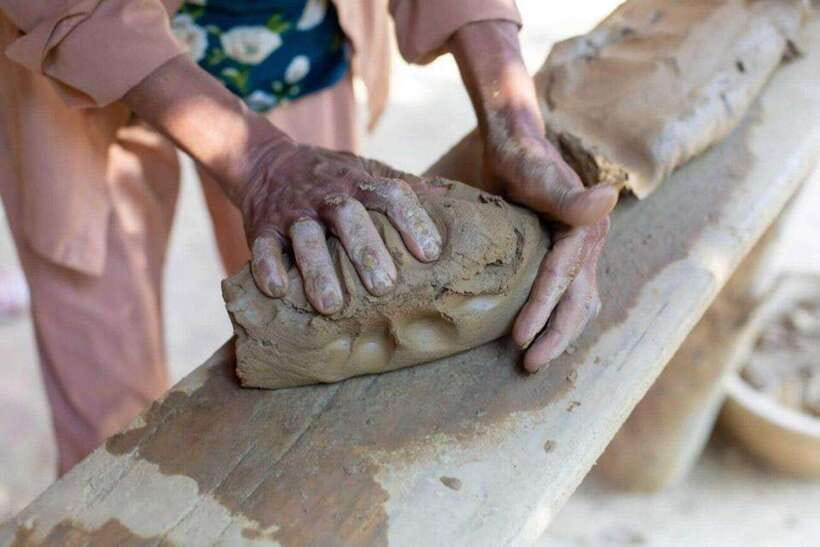
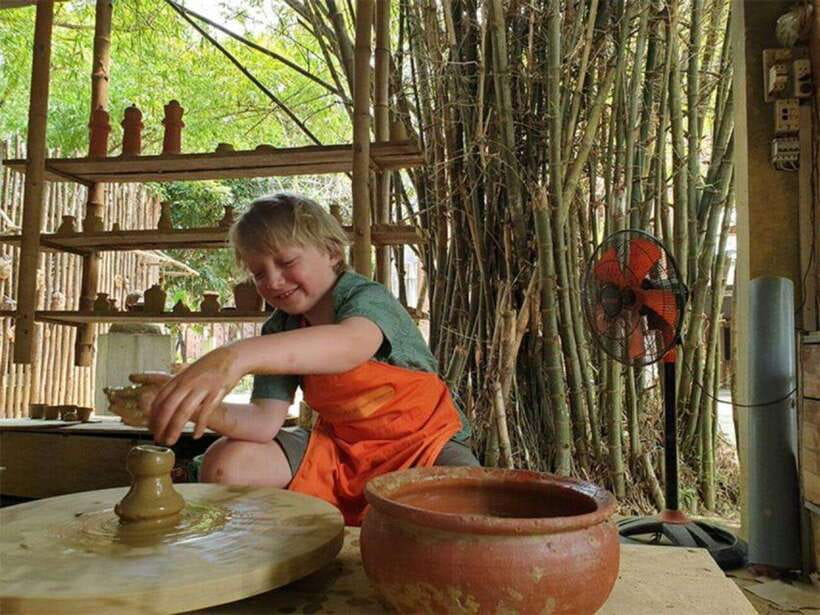
The whole experience is about 30 minutes, but the pottery-making portion is usually around 20 minutes. In reality, you should plan your time like a human, not like a stopwatch. People often end up staying closer to 45 to 60 minutes when you include explaining steps, shaping, decorating, and getting your piece ready to be fired.
You start by meeting the instructor, then you get a quick overview that covers the basics:
- how to select clay
- how to shape the form by hand
- how decoration fits into the process
The class is described as simple and not a professional training session. That is good news. You are not signing up for technical perfection. You are signing up for a fun skill you can take home and actually use as a conversation starter later.
You might work with different family members depending on the day. Some sessions in this workshop area are run by family teams, and you may hear names like Emma or Sau when the family is helping guide. Even if English is limited by the craftsman, the instructor side is there to make sure you are not lost.
What you make: from clay shape to painted souvenir
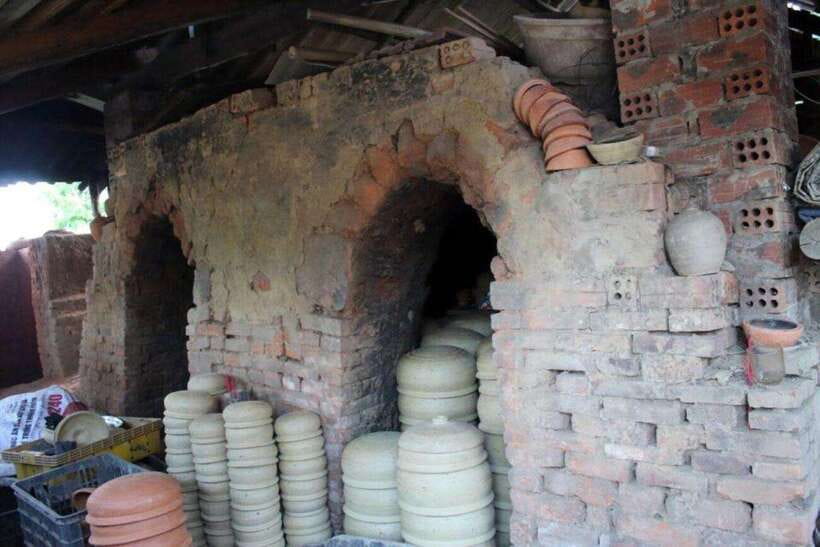
This is not just pottery staring. You get to make your own item. Most classes include both shaping and decorating, and the final prize is a souvenir made by you.
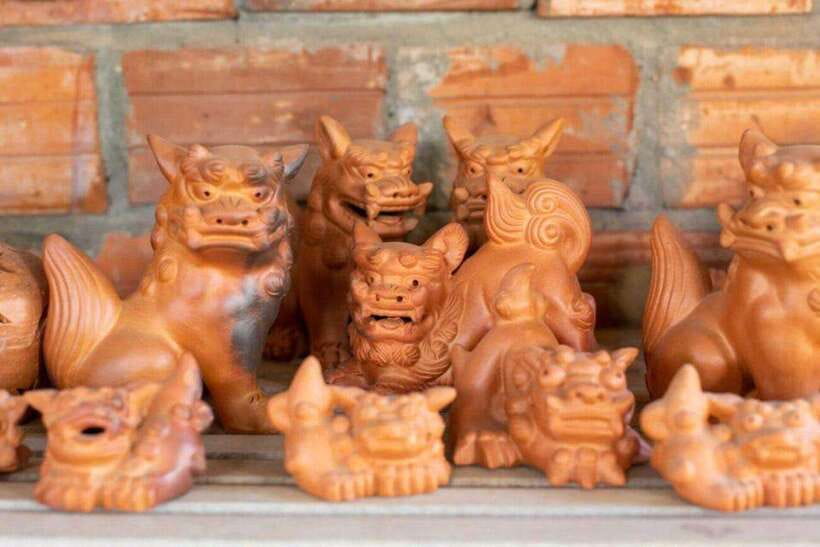
Common outputs you can expect include pieces like cups, bowls, and pots, created by hand methods. Some sessions also include playful extras, such as whistle-shaped items. One visitor even described making whistle turtles and getting them fired, so if that kind of novelty style appeals to you, ask during your session what options are available.
Painting is part of the experience too. You will learn how to decorate your piece, then you take it home as your own finished souvenir. This is one of the best parts for first-timers, because the painting turns your clumsy clay moment into something you are genuinely proud of.
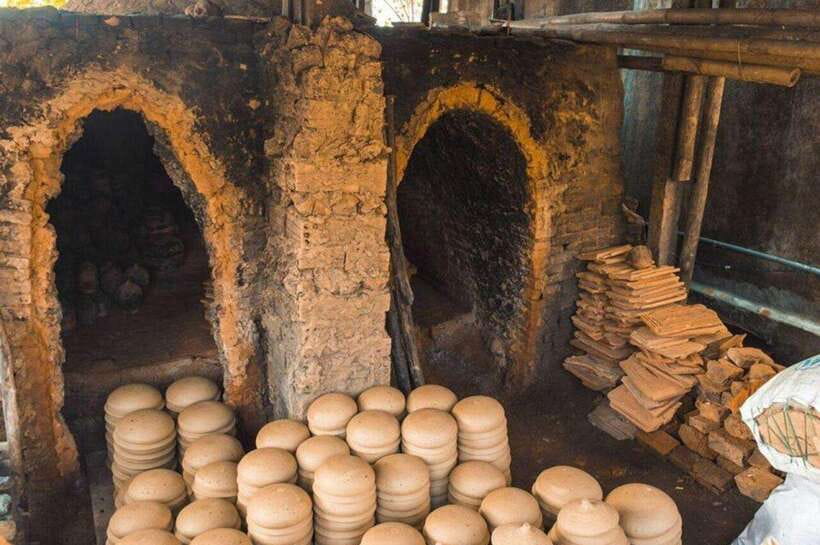
One quirky detail to keep in mind: firing is done at the workshop, and a visitor described it as a setup that looked like a series of air fryers. The point is, you are not waiting in a kiln viewing room like you are on a movie set. Your piece gets handled by the workshop team after you finish shaping and decorating.
If you are hoping to glaze for a fully food-safe finish, manage expectations. One review noted disappointment that they could not glaze the items for use. In this class, your focus is on making and decorating, not on advanced finishing techniques.
Village time after your workshop: what to do nearby
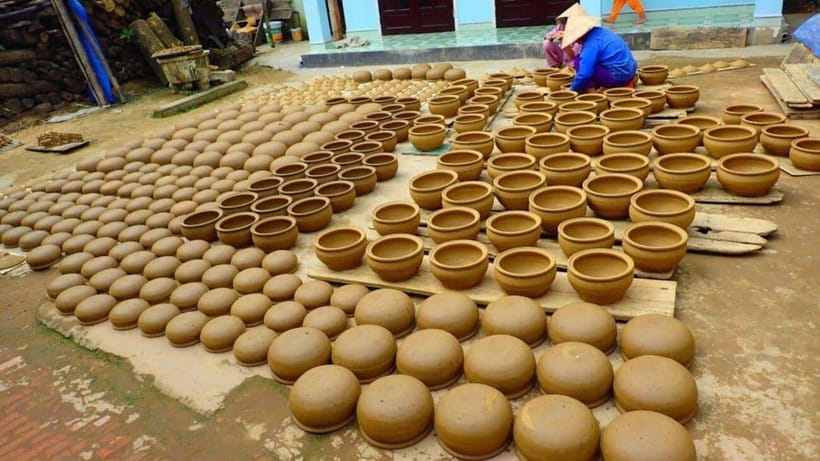
After the hands-on session, you are free to wander the village. This is where the experience stops being only about the class and becomes about the place itself.
Two named stops are part of the experience description:
- Xuan My Communal House
- Nam Dieu Temple
You do not have to turn it into a research project. Just use the time to stroll the quiet lanes, look at other pottery pieces around the village, and soak up the calmer pace compared with central Hoi An.
If it is rainy, this is also a strong option. The village is a good fit for a slower day because your main activity happens indoors or in sheltered workshop space, and the walking is optional.
Price and value: why $8 is a real deal, with one fine print
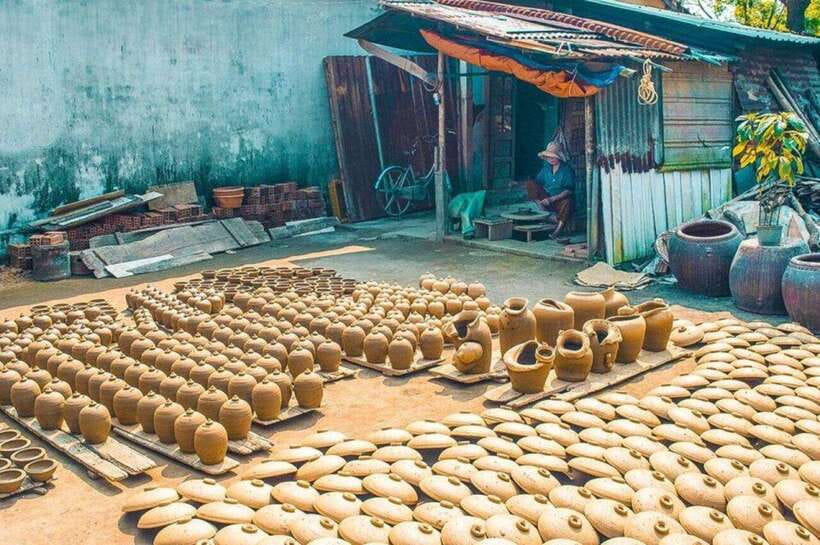
At $8 per person, this workshop is priced like a short activity, but it gives you something you can actually hold. For many cheap tours, you get a photo op. Here, you get a handmade item you shaped and painted.
The value calculation still needs one line item: the 35,000 VND village entry ticket is extra. That means your total is not just the advertised price. However, even with the ticket added, it often still works out as excellent value compared with longer, more polished experiences that do not let you create anything.
One more value reason: you learn something in a low-pressure way. You are not in a huge class where you get ignored. Several sessions are described as intimate, with very small groups, which makes a difference if you are shy or if you want more hands-on help.
Language and coaching: what to expect when English gets limited
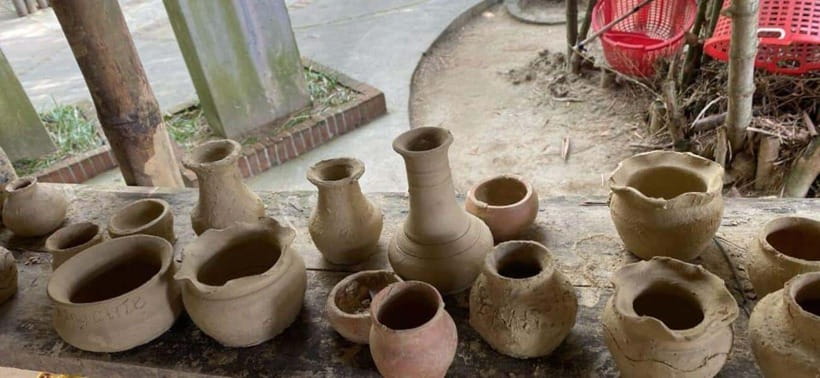
You should assume some communication will be shared between English and Vietnamese. The instructor is listed as speaking English and Vietnamese, but the craftsman communication in English can be limited.
So, how do you make it work? Use the tried-and-true method: watch the hands first, then try the movement. Pointing and simple back-and-forth questions go a long way. In fact, a few reviews highlighted that the language barrier did not ruin the experience, it made it more playful, using gestures and laughs while still getting through the steps.
If you are comfortable with a basic call-and-response approach, you will do great. If you need constant detailed English explanations, this might feel a little uneven. The class is still guided enough to get you to a finished souvenir, but you may not get a full lecture.
The small tourist traps to avoid around the village
Craft villages near Hoi An can have a lot of friendly people who want to sell you something or steer you to a specific workshop. That does not have to be bad, but it can get messy if you are not careful.
Here is what I recommend:
- Go to your confirmed meeting point first, before you wander.
- If someone calls you over while you are en route, politely check with the workshop where your session is supposed to start.
- Be ready for the workshop to encourage additional purchases. One review noted they try to make you buy extra items to decorate. If you keep your budget in mind, this becomes a minor choice instead of a surprise.
Think of it like this: you are paying for the class, then you have the option to buy more if you want. Do not let the sales pressure steal the fun parts.
Who this pottery workshop suits best
This workshop is best for you if:
- you want a short, hands-on activity near Hoi An
- you like authentic craft settings more than big-group tours
- you are traveling as a couple, solo, or family and want something calm and creative
It also fits rainy days and mixed-age groups, because the steps are simple and the workshop staff are typically patient.
It is not suitable if you have significant mobility impairments or use a wheelchair, since the workshop and village access are not described as accommodating.
Quick booking checklist before you go
If you like to be prepared, here are the practical things to lock in:
- Confirm the meeting point is Nguyen Sau Pottery Workshop (near Terra Cotta Homestay and Hostel).
- Plan around 30 minutes total, with pottery-making around 20 minutes and a possible longer finish time if you want to take your time decorating.
- Bring a little extra cash or payment method for the 35,000 VND village entrance ticket.
- Wear clothes you do not mind getting a bit messy. Clay is not a tidy hobby.
- Keep expectations realistic: this is not a full professional ceramics course.
Should you book Thanh Ha Ha Village pottery with locals?
I think you should book it if your goal is to leave Hoi An with something handmade, not just a memory. For a low price, you get real practice with clay methods that connect to a tradition that has lasted for centuries. The best part is that the class is short enough to fit easily into a day, but complete enough that you finish with a painted souvenir you made yourself.
Skip it only if you need advanced pottery instruction, want guarantees about glazing or food-safe ware, or if mobility limitations make village and workshop access difficult.
If you do book, go in with a simple mindset: focus on shaping, let the staff guide you through decoration, and enjoy the quiet village walk after. That is where Thanh Ha really shines.
FAQ
Do I need to pay the Thanh Ha village entrance fee separately?
Yes. The workshop experience does not include the village entry ticket. You pay 35,000 VND at the ticket counter.
How long is the pottery workshop?
The experience duration is listed as 30 minutes, and the pottery-making portion is typically around 20 minutes. You can extend the time to finish your product if you want.
Do I need any prior pottery experience?
No. It is designed for all skill levels, including total beginners.
What is included in the price?
You get a local instructor, the pottery-making experience (about 20 minutes), a little gift, and a pottery souvenir made by you to take home.
What language will the instructor speak?
The instructor is listed as English and Vietnamese. The craftsman’s English may be limited.
What should I plan to do after the class?
After the workshop, you can wander the village. The experience includes time to visit sights like Xuan My Communal House and Nam Dieu Temple, or simply stroll the lanes.
Is hotel pickup and drop-off included?
No. Hotel pickup and drop-off are not included.
Is the workshop wheelchair accessible?
No. It is not suitable for people with mobility impairments or wheelchair users.
What is the experience cost?
The price is $8 per person, and you should add the 35,000 VND village entrance ticket.
Craft Villages and Ao Dai Workshops, compared.
 ★ 5.0Saigon By Night and Street Food By Motorbike | Opt: Ao Dai RidersFrom $374,066 reviews
 ★ 5.0Afternoon Saigon Unseen Adventure by Scooter |Opt: Ao Dai RidersFrom $251,282 reviews
 ★ 5.0Incense Village, Hat Making & Lacquer Artisan Small Group HanoiFrom $171,266 reviews
 ★ 5.0Incense Village, Conical Hat, Lacquer Art, SMALL GROUP From HanoiFrom $11,170 reviews
 ★ 4.6Hanoi: Incense Village, Hat, and Lacquer Artisanal TourFrom $151,005 reviews
 ★ 5.0Saigon Night Sights & Local Food by Motorbike| Opt: Ao Dai RidersFrom $25906 reviews
 ★ 5.0Saigon Afternoon Unseen Street Food by Scooter |Opt: Ao Dai RiderFrom $37854 reviews
 ★ 5.0Morning Saigon Unseen Adventure Scooter with Ao Dai Riders OptionFrom $25646 reviews
Also in these Vietnam lists