

REVIEW · CITY TOURS
Private Tour Around the Quy Nhon City
A small group tour can change how you see a city fast. This one in Quy Nhon is built around hands-on crafts and places locals actually pass through, not just quick photo stops, with English-speaking guides who explain the why behind the wow.
What I like most is the focus on working traditions, from conical-hat making to Cham brick temples. I also really value the included local-food lunch and entrance tickets, because it keeps your day from turning into a pay-to-play scavenger hunt.
One thing to consider: it runs on good-weather days, so if the forecast looks rough, you may need to be flexible with timing.
In This Review
- Key highlights worth planning for
- Why this Quy Nhon private tour feels more local
- Price and what you get for $142.08 per person
- Getting picked up, and how to time your day
- Stop 1 at Non Ngua Phu Gia, conical hats with a social backstory
- Stop 2 at Banh It Towers, understanding Cham brick architecture
- Stop 3 in An Nhon, rice wine and sticky rice production
- Lunch and local food, included and timed for your energy
- Guides make or break the day, and English matters
- Photography and the small choices that improve your photos
- Who this tour suits best
- Practical tips so your day goes smoothly
- Should you book this private tour around Quy Nhon City?
- FAQ
- What is the price of the private tour around Quy Nhon City?
- How long does the tour take?
- Is pickup included?
- What is included in the tour cost?
- Are entrance tickets included for all stops?
- What time does the tour operate?
- What happens if the weather is bad?
- Is this tour private?
Key highlights worth planning for
- English you can follow easily, including standard-accent English from guides like Hannah and Thich
- Hands-on conical hat making at Non Ngua Phu Gia, tied to royal and high-status use
- Banh It Towers (Cham Banh It, also called Bac Towers), with real context for how the Cham built and lived their faith
- An Nhon rice-wine village visit, where you can see how rice wine and sticky rice are prepared
- Lunch and entry tickets included, which adds real value on a private tour
- A private group, so you can ask questions without the usual shuffle
Why this Quy Nhon private tour feels more local

Quy Nhon can look laid-back, but the culture around it is active. This tour is designed to put you near that everyday energy, in places tied to local jobs and traditional production, explained in plain language you can actually understand.
I especially like the way the guide frames each stop. Instead of tossing facts at you, you get the story of how and why people did things, from the materials used to the social meaning behind the craft.
Two names from past guests stick out in a useful way. Hannah and Thich are mentioned as guides who are friendly, clear in English, and comfortable walking you through the details. That matters in a place where not every guide speaks English confidently.
Price and what you get for $142.08 per person

At $142.08 per person, this tour is not the cheapest way to get around Quy Nhon. But it is a private, guided experience with several things folded in that would cost extra if you pieced it together yourself.
You get an air-conditioned vehicle, entrance tickets (at least for the first two main sites), a tour guide, and a local lunch. You also get the option of a photographer if you want photos without managing your camera every few minutes.
Think about your time. If you had to arrange transport, pay entry fees, and line up a guide who can explain culture and production in English, you would quickly burn your day and still end up with gaps. Here, the structure is the value.
Getting picked up, and how to time your day
The tour operates daily from 7:00 AM to 10:00 PM, so you can match it to your energy level. If you want cooler temperatures and better light for photos, pick a morning slot. If you want a slower pace and less rushing, aim for early afternoon.
The duration is listed as about 1 to 5 hours, depending on how your stop time runs and how much you want to participate. The full set of main stops can stretch closer to the longer end, since conical hat making and the towers each take around two hours, with the rice-wine village adding about an hour.
A practical note: this is offered with pickup, so you avoid the “where do we meet and how do we get there” stress. If you are already in town and can reach public transportation, that helps too, but pickup keeps it simple.
Stop 1 at Non Ngua Phu Gia, conical hats with a social backstory
Non Ngua Phu Gia is where you start to see how a simple everyday object can carry status. You will learn the ancient way to make conical hats, and the guide explains that these hats were historically used by king, lords, and high-level society rather than only common daily wear.
What you do here is not just watching. The setup is built so you can join in and try making a conical hat yourself. That turns a museum-style stop into something you feel in your hands, like learning a recipe instead of reading one.
Why this matters for your day: craft visits are at their best when you connect tools, materials, and technique to the human reason behind the work. The hat-making focus does that. You also get a cultural lens before you jump to architecture, so the rest of the tour lands more clearly.
One consideration: this kind of hands-on activity can take a little longer if you genuinely want to participate. If you are short on time, tell your guide early, and they can help you choose how much you want to do versus watch.
Stop 2 at Banh It Towers, understanding Cham brick architecture
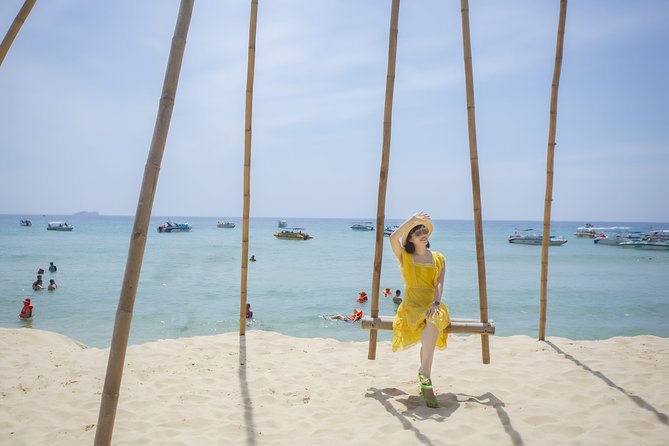
Banh It Towers, often referred to as Cham Banh It Towers and also known as Bac Towers, is the cultural center of gravity on this route. You will learn about ancient Cham people culture and the architecture of the towers, with the guide explaining how the Cham built these temples long ago.
This is the part where the tour shifts from production to place. Conical hat making helps you understand everyday craft and social meaning. The towers then expand that into large-scale construction and belief, all in the same day.
The best way to make this stop meaningful is to listen for the “how” and the “why,” not just the dates. A good guide will help you connect the building style to the people and practices behind it, so you are not just looking at bricks.
A small drawback to keep in mind: brick temple sites are sometimes less forgiving for heat and sun. If you go during the hottest window, plan to take breaks when your guide suggests it and bring water.
Stop 3 in An Nhon, rice wine and sticky rice production
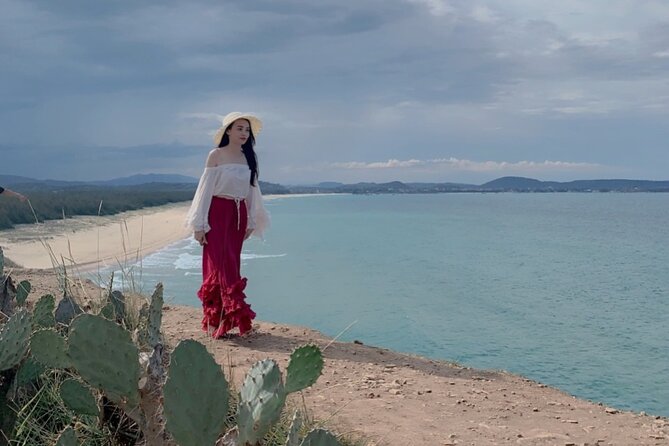
An Nhon is where the tour becomes a food-and-factory story. You will visit a rice wine making village, see how people produce rice wine, and also try items like sticky rice and mung bean rice. Admission here is listed as free, which is a nice perk in a route that already includes several paid entries.
There is a big difference between tasting something and understanding how it is made. Here, seeing the process makes your taste buds more curious. You learn what ingredients people use, how local production works, and why certain textures and flavors show up the way they do.
This stop is also a great fit if you like getting away from the typical tourist menu. Even if you are not a big alcohol taster, the wider food side still makes it worth it. Rice wine making villages usually connect to broader local eating habits, and your guide can explain what to watch for as the day moves on.
Possible drawback: if you do not want any alcohol exposure at all, it is smart to tell your guide up front. The tour includes tasting rice wine in the description, so clear communication helps you get what you want from the experience.
Lunch and local food, included and timed for your energy

Lunch is included, and it is described as local food. That is not a minor detail. A tour that includes lunch is usually better paced, because you do not have to stop mid-tour to search for a meal, then lose time translating menus or figuring out transport back.
I like this approach because it helps you eat what the community actually eats. The guide’s goal is to show you what you might not find listed online, especially the kind of dishes local people eat regularly.
For best results, go with an open mind and ask your guide what the food is before you dig in. Even one or two short explanations can turn a meal into a cultural moment.
Guides make or break the day, and English matters
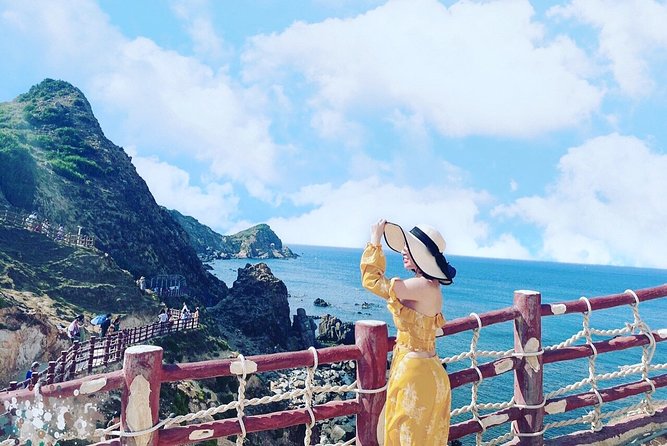
This tour’s standout theme is communication. The guide is described as speaking well in both Vietnamese and English, and past guests highlight that guides like Hannah and Thich speak excellent English with a standard accent.
That matters in three practical ways. First, you can ask questions and get real answers. Second, you avoid misunderstandings about what you are seeing, especially at historical sites. Third, you can move at the right pace, because the guide can match your questions to the time you have.
Also, a private tour lets the guide focus on your group. You are not waiting for a slow person, and you are not being rushed for the next group. That changes the quality of the explanations, because there is room for back-and-forth.
Photography and the small choices that improve your photos
A photographer is available if required. Even if you do not request a photographer, the guide can help you time your shots around the stops, especially for the towers and craft demonstrations.
If photos matter to you, bring a fully charged phone or camera and quick access to a power bank. At craft and temple stops, you often stand in place longer than you expect, so having power ready prevents the annoying end-of-day battery drama.
Who this tour suits best
This private tour works well if you want more than sightseeing. If you like culture that comes with doing something, you will likely enjoy the conical hat making and the village production feel of the rice wine stop.
It is also a strong option for English-speaking travelers who want explanations without struggling. Past guests specifically praise guides for clear English, and that should help you get more meaning out of the architecture and craft details.
You might choose something else if you only want very short stops or you dislike hands-on activities. The hat-making portion is designed for participation, and at the towers you will spend real time learning, not just passing through.
Practical tips so your day goes smoothly
Bring light layers and a water bottle. Even with air-conditioned transport, the stops include outdoor components. If you are sensitive to heat, plan a morning slot.
Wear shoes that handle uneven surfaces. Sites and village areas can involve paths that are not perfectly smooth. Comfortable shoes make the tour feel easier and less tiring.
If you have dietary concerns, ask your guide about the lunch and the food items for the rice-wine village. The tour includes local lunch and tasting items like sticky rice and mung bean rice, and the guide can help you understand what you will be served.
Should you book this private tour around Quy Nhon City?
I would book it if you want a guided day that explains culture through making and food, not just monuments. The best value is the combination of private pacing, English-speaking guidance, included transport, local lunch, and entrance tickets at key stops.
Book it if you love crafts, religious architecture, and food production. This route connects all three in a way that feels coherent, so your brain does not have to “relearn the day” at each location.
Skip it or consider a shorter version if you are very time-sensitive or if you strongly prefer passive sightseeing. Hands-on participation and a longer walk through the towers are part of what makes this tour work.
FAQ
What is the price of the private tour around Quy Nhon City?
The price is listed as $142.08 per person.
How long does the tour take?
The duration is listed as about 1 to 5 hours.
Is pickup included?
Yes, pickup is offered.
What is included in the tour cost?
Included items are an air-conditioned vehicle, lunch (local food), entrance tickets, a tour guide, and a photographer if required.
Are entrance tickets included for all stops?
Entrance tickets are included for Non Ngua Phu Gia and Banh It Towers. The An Nhon stop is listed as admission free.
What time does the tour operate?
The listed opening hours are Monday to Sunday, from 7:00 AM to 10:00 PM.
What happens if the weather is bad?
The experience requires good weather. If it is canceled due to poor weather, you will be offered a different date or a full refund.
Is this tour private?
Yes. It is private, and only your group will participate.
City Tours, compared.
 ★ 5.0Cu Chi Tunnels Tour from HCM City – Morning or AfternoonFrom $1515,833 reviews
 ★ 4.5From HCM City: Mekong Delta Tour with Sampan JourneyFrom $1613,132 reviews
 ★ 5.0Ho Chi Minh City Street Food Tour & Sightseeing By MotorbikeFrom $289,413 reviews
 ★ 4.5Mekong Delta Guided Tour from Ho Chi Minh CityFrom $187,192 reviews
 ★ 5.0Private Street Food Evening Walking Tour in Ho Chi Minh CityFrom $493,175 reviews
 ★ 5.0Top Notch Street Food Motorbike Tour In Ho Chi Minh CityFrom $292,667 reviews
 ★ 5.0Private Street Food Motorbike Tour in Ho Chi Minh CityFrom $552,180 reviews
 ★ 5.0Cu Chi Tunnels Experience from Ho Chi Minh CityFrom $391,742 reviews