
REVIEW · HANOI OLD QUARTER WALKS
Hanoi: The Hidden Old Quarter Experience
A city tour that keeps you guessing. This Hidden Old Quarter experience throws you from high views down into the narrow lanes of daily Hanoi life, then ties it together with real stories, food stops, and a look from the Long Bien Bridge end of town. I especially like the way it mixes big contrasts, rooftop to sidewalk, and the way guides make history feel like something people lived through. One thing to consider: it is compact and walking heavy, so wear comfortable shoes and plan for uneven old-street surfaces.
If you want Hanoi that feels lived-in, this works. You’ll start right in the Old Quarter area near 72 P. Hàng Bạc, get a photo moment with views, then roll down into the stuff that’s easy to miss on your own, like the tight alley rhythms, a local temple stop, and a small family-run doughnut break. The tour is led in English by local guides such as Duong, Angelina, Dung, Jasmine, Linh, Quang, and Yen, and the best moments often come from how much time they spend explaining what you’re actually seeing and why it matters.
In This Review
- Key things that make this Hanoi walk work
- Finding your footing at 72 Hàng Bạc (the Old Quarter’s front door)
- Rooftop bar views: the best way to understand Hanoi quickly
- Sliding from the skyline into Ta Hien and the small alleys locals know
- A local temple stop that changes the meaning of the street
- Doughnuts, café stories, and the food clues behind Hanoi favorites
- Dong Xuan Market, viewed like a lesson not a maze
- Long Bien Bridge, then Ga Long Bien: the city connection moment
- Price and value: what $37 buys in 3 hours
- Who should book the Hidden Old Quarter walk
- Practical tips so you enjoy every stop
- Should you book this Hidden Old Quarter tour?
Key things that make this Hanoi walk work
- Rooftop to alley contrast: you get skyline context first, then the street-level details that make the city make sense
- Hidden temple and residential look: you see parts of the Old Quarter beyond standard sights, including community spaces locals use
- Food stops that teach: coffee and soft drinks on a rooftop, plus a café moment with street snacks, and a family-run doughnut stop
- Dong Xuan Market from a local angle: you don’t just pass through, you get a guided way to look at the market’s role
- Long Bien Bridge, then Ga Long Bien: you end with a strong sense of how Hanoi connects beyond the Old Quarter
- Guides that talk back: multiple guides ask questions and shape the experience into a real conversation, not a lecture
Keep walking the Old Quarter
- [HOT] Hanoi Old Quarter Walking Street Food – Small Group Tour★ 5.0 · 2,163 reviews
- Private transfer between Hanoi Airport (HAN) and Hanoi Old Quarter★ 5.0 · 850 reviews
- Hanoi Food Tours in Hanoi Old Quarter (Small Group/Private)★ 5.0 · 657 reviews
- Hanoi Old Quarter Private Walking Tour with Student Guide★ 5.0 · 590 reviews
Finding your footing at 72 Hàng Bạc (the Old Quarter’s front door)
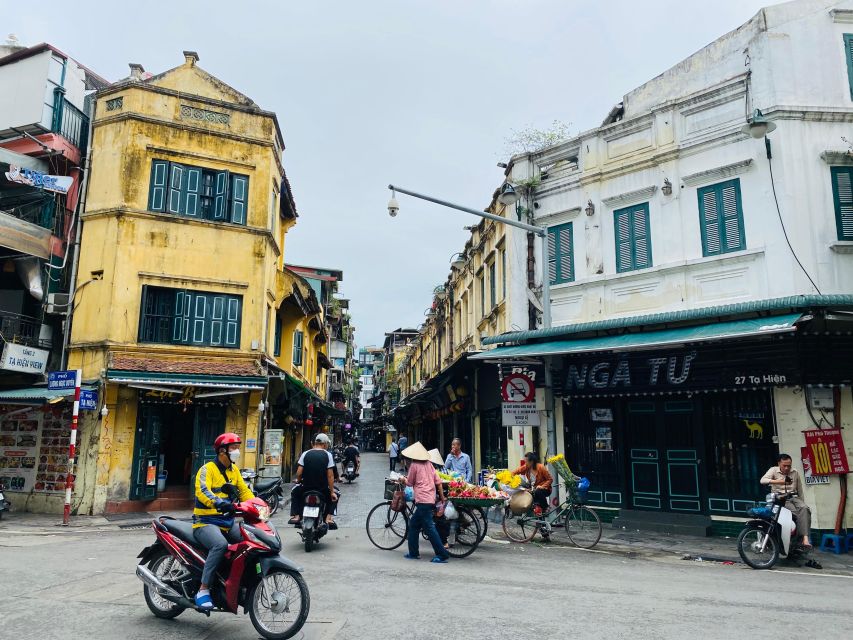
The meeting point is at 72 P. Hàng Bạc, a yellow building in the Old Quarter. If this is your first day in Hanoi, I like using a starting point like this because it signals what kind of tour you’re on: practical, Old Quarter focused, and built for walking.
Once you meet up, the pace is set for getting your bearings fast. Hanoi’s Old Quarter can be chaotic in the best way, but without a guide, you can burn time wandering in loops. With a guided route, you’ll get early structure, then freedom to look around with sharper eyes.
What I’d watch for here is simple: crowd density. This is a central area, so even before you move, you may deal with tight sidewalks and foot traffic. Comfortable shoes matter more than you think on day one.
Rooftop bar views: the best way to understand Hanoi quickly
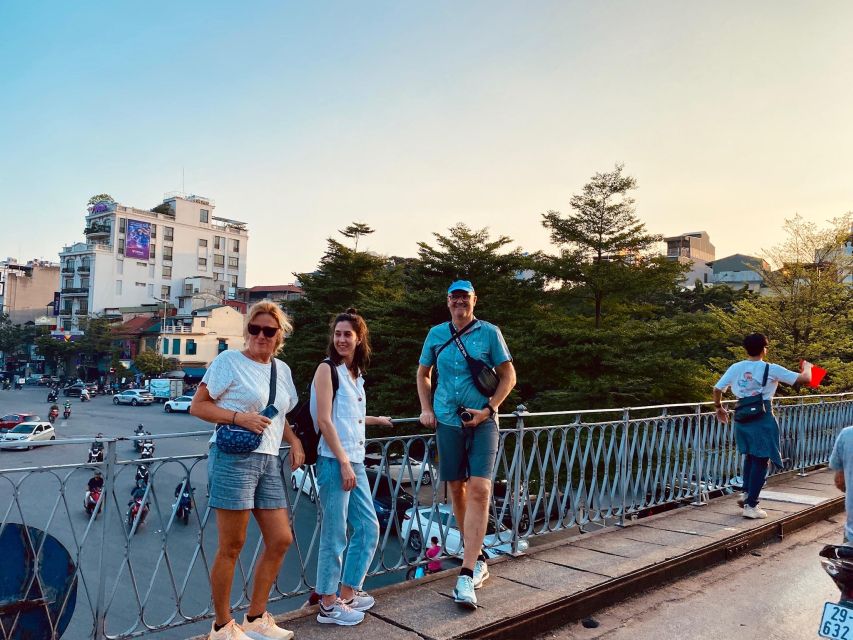
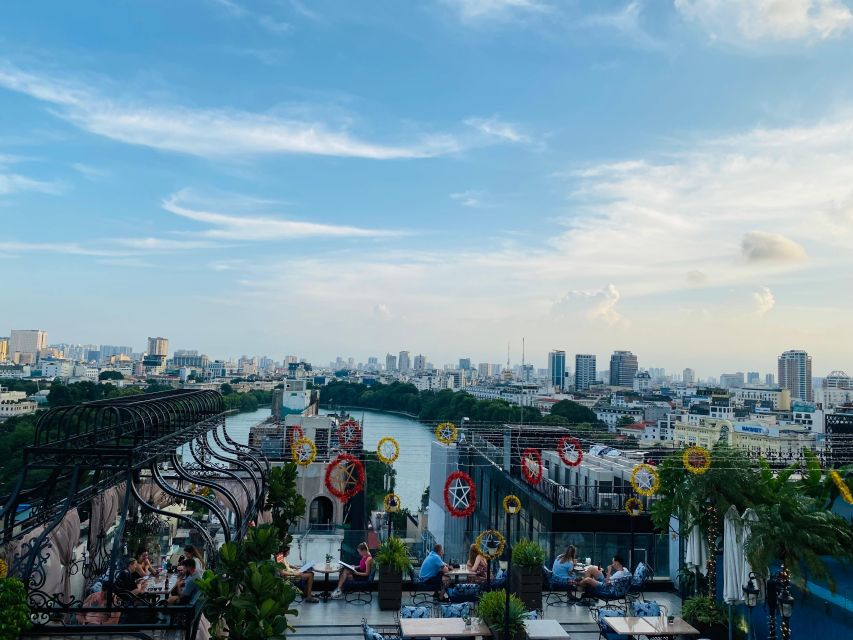
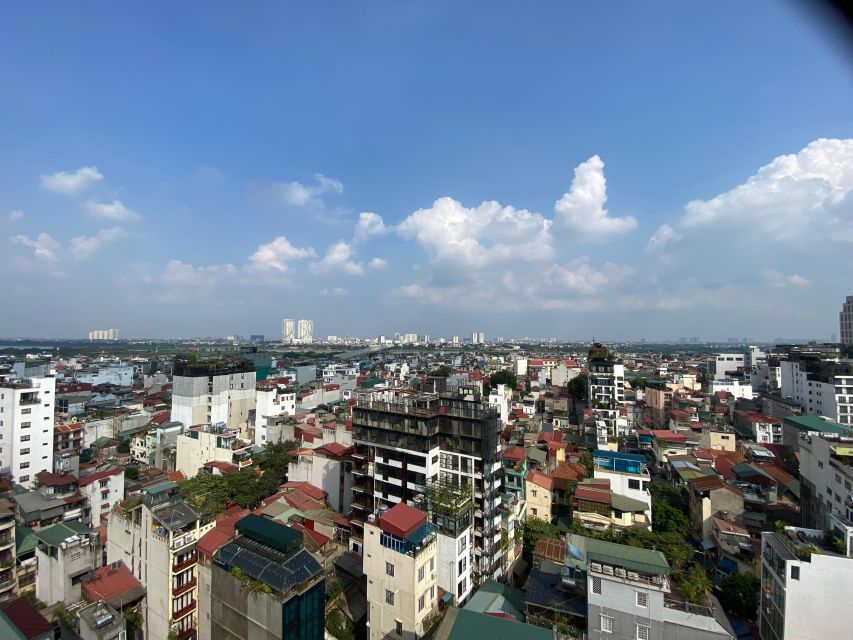
One of the most useful moments in this tour is the skyline view from a high rooftop bar. You’ll start with a photo stop and sightseeing along the way, then head to a viewpoint that gives you a city overview.
This is not just about photos. When you can see where the Old Quarter sits in the larger city, you stop feeling like you’re trapped inside a maze. The rooftop view sets a mental map so that later, when you’re in narrow streets, you understand the scale and direction of what you’re walking through.
You’ll also get coffee and a soft drink at the rooftop bar. This is a smart break. Hanoi mornings and afternoons can vary, and that first drink gives your body a moment to reset before the street portion starts.
When to come: If you’re scheduling this early in your trip, it’s a strong choice. The viewpoint helps you enjoy the rest of your days because you can look at the streets and know what neighborhood energy you’re in.
Sliding from the skyline into Ta Hien and the small alleys locals know
After the high view, the tour does something I really appreciate, it rolls you down into the close world of the Old Quarter. This is where Hanoi feels like Hanoi.
You’ll head toward Ta Hien, the famous beer corner area, and you’ll also spend time around smaller lanes where daily life happens. The tour isn’t only about big-name streets. It’s also about the tight side roads, including spots where locals live, and those micro details you might walk past if you were searching alone.
Here’s why that matters: Ta Hien is often described in terms of nightlife, but at street level, it’s also about routines, neighbors, and the way commerce and community overlap. Seeing it with context helps you read the street instead of just photographing it.
If you’re worried about crowds, this is the part where you’ll feel them most. The flip side is you get a real sense of the neighborhood’s rhythm. Just plan your mindset, you’re not on a quiet countryside walk.
A local temple stop that changes the meaning of the street
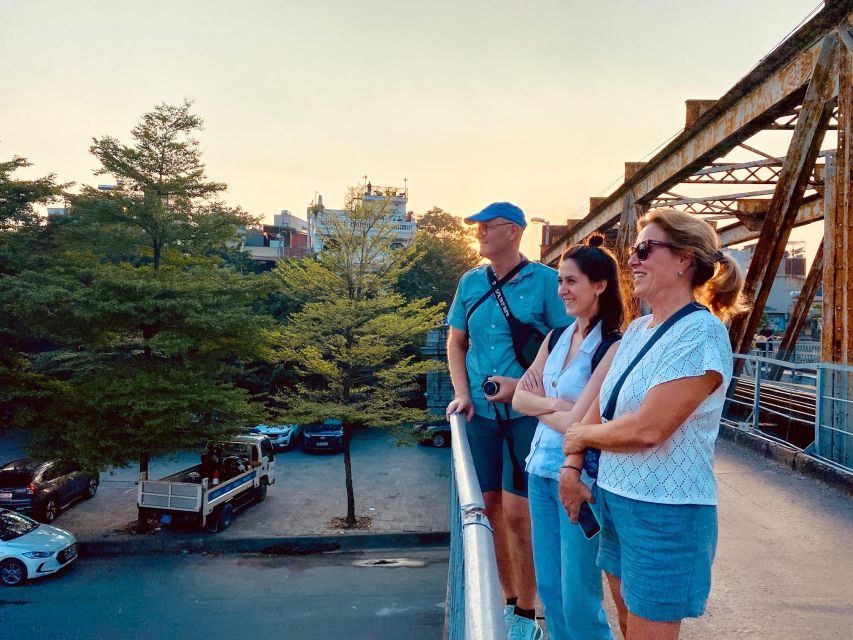
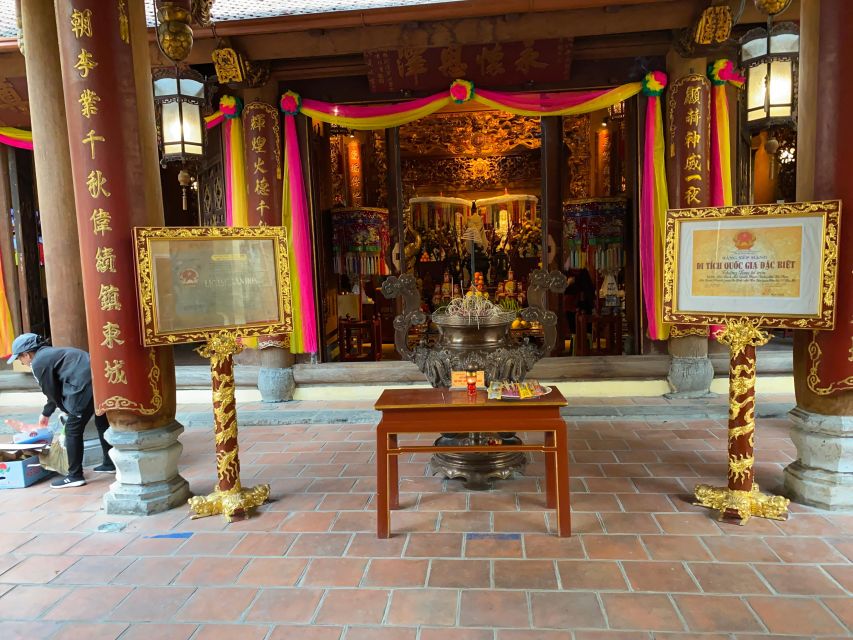
The route includes a local temple visit after you’ve spent time walking through the Old Quarter lanes. I like temple stops on a walking tour because they turn the street from scenery into culture.
In places like Hanoi, temples are not museums. They are part of how people mark time, community identity, and spiritual life. When your guide explains what you’re looking at, the temple stop becomes a pause where the whole area starts to read differently.
There’s also a practical benefit. When streets are packed, a short guided moment at a quiet local spot helps you regroup. You’ll look slower, notice materials and layout, and then continue with a calmer head.



Doughnuts, café stories, and the food clues behind Hanoi favorites
One of the tour’s most enjoyable parts is the mix of guided café time and quick food tasting. You’ll stop for coffee (and soft drinks on the rooftop), and later you’ll hit a local café moment with street food.
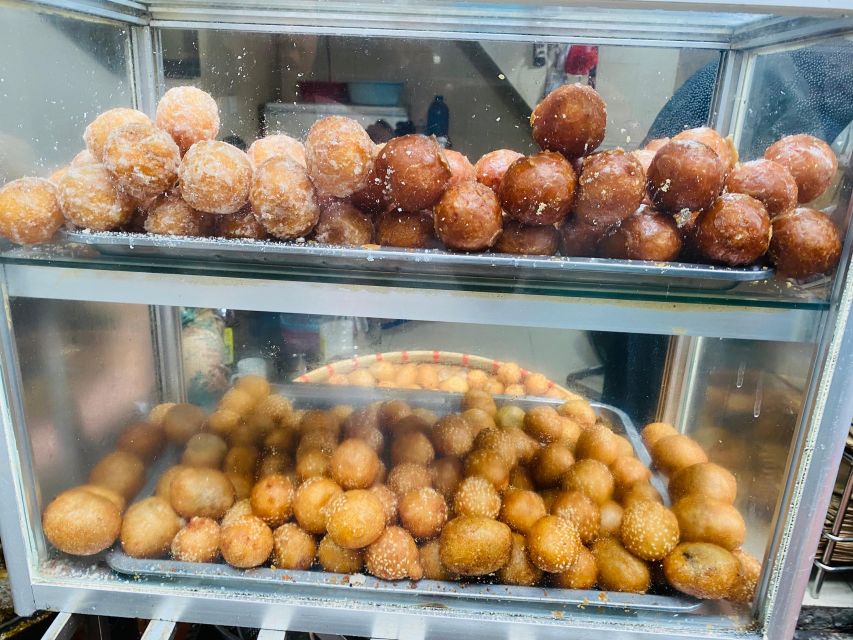
Then comes the sweet spot for many people, a local, family-run doughnut shop. This kind of stop is more than a snack break. It’s a chance to see how the Old Quarter supports daily living, not just visitor curiosity. Family-run businesses also tend to keep their own pace, and your guide helps you understand what makes the place worth noticing.
There’s also mention of the origins of egg coffee, which is the kind of detail that makes Hanoi food culture stick in your brain. Even if you’re already familiar with egg coffee, having a guide connect the story to what you’re tasting adds meaning, not just flavor.
A possible drawback: food stops can make the walk feel a bit less “straight-through.” If you’re the type who hates pausing, you might prefer a longer, self-guided plan. But if you like learning through taste and talk, these stops are a big part of the value.
Dong Xuan Market, viewed like a lesson not a maze
Next you’ll visit Đồng Xuân Market with a guided focus, including sightseeing time. Markets in big cities can be exhausting if you just wander. With a guide, you learn how to look.
Instead of treating it like a single shopping stop, the tour frames the market as part of how Hanoi works. You’ll also get a hidden viewing perspective that helps you see the market’s layout and energy without losing context.
What I love here is that you’re not just walking through the busiest aisle and trying to escape. You get time to observe, understand what the space is for, and then move on with that knowledge. That changes how you experience markets for the rest of your trip, including which streets you might explore later on your own.
If you’re sensitive to noise or crowd density, this is the section to pace yourself. You can take your time with your guide, step aside when needed, and just breathe. The goal is understanding, not rushing.
Long Bien Bridge, then Ga Long Bien: the city connection moment
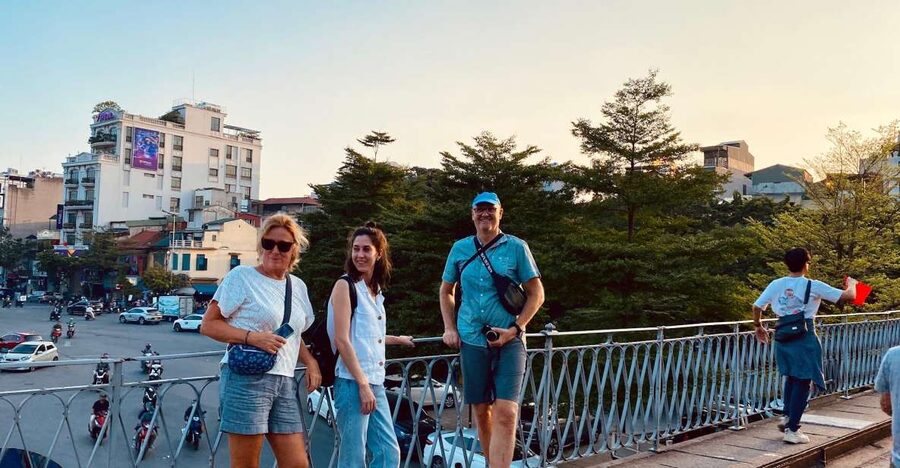
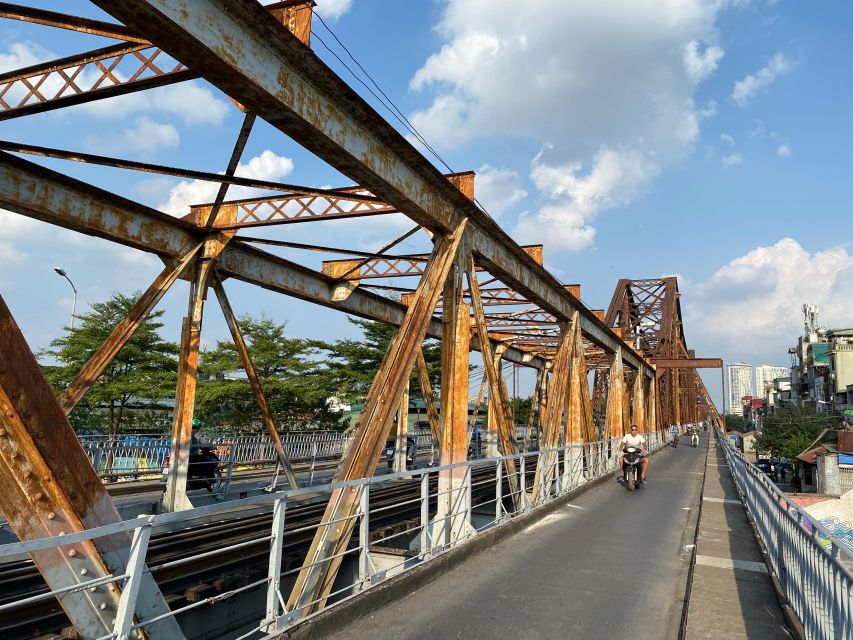
The last stretch brings you to Long Bien Bridge, including a guided walk and sightseeing for about 15 minutes, and then you finish at Ga Long Bien.
I think this ending is strong because it moves you beyond the Old Quarter micro-world. The Old Quarter is tightly packed. Long Bien Bridge gives you a sense of connection, movement, and how the city links different sides of itself.
Finishing near Ga Long Bien also helps you keep your plans flexible after the tour. If you’re heading elsewhere that day, you’re positioned with a transit-friendly area rather than stranded deep inside old lanes.
And even if you’re not a train fan, Ga Long Bien has that local texture that makes Hanoi feel real. It’s one of those places where you can watch the city do its thing without forcing it to perform for you.
Price and value: what $37 buys in 3 hours
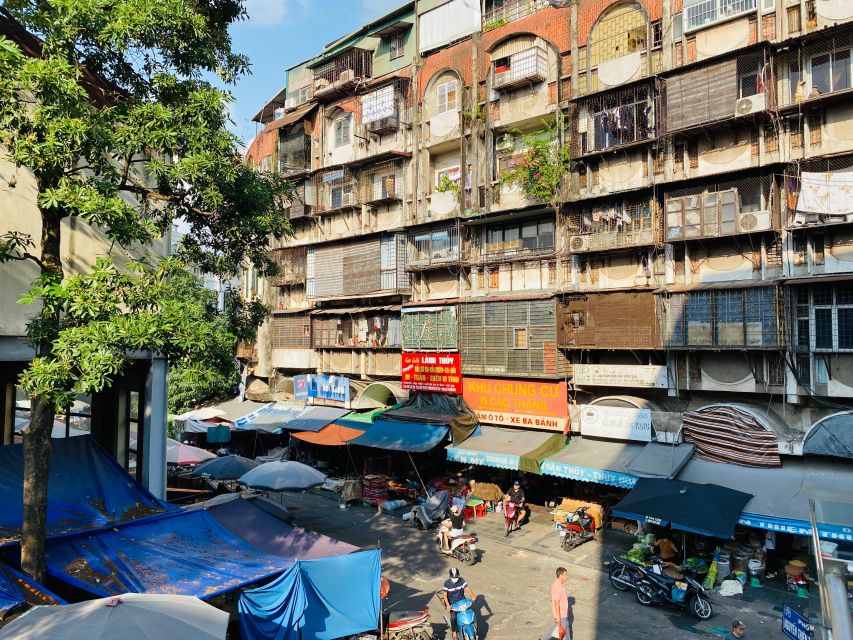
At $37 per person for a 3-hour guided experience, you’re paying for three things: time, local interpretation, and included drinks and snacks.
The tour includes coffee and soft drinks at the rooftop bar, plus a café moment with coffee and street food. That alone helps offset some of the cost if you planned to do those stops anyway.
But the bigger value is the guide work. Multiple guides in English, like Duong, Angelina, Dung, Jasmine, Linh, Quang, and Yen, seem to focus on stories that change how you see the streets. One review highlights how the guide treated the experience like a conversation, with questions and personal reflections. That matters because it keeps your attention from drifting when the sights get repetitive.
Is it cheap? No, it’s not a budget free-wander. But it’s also not overpriced for a guided route that strings together rooftop views, alley exploration, temples, café time, market sightseeing, and a bridge finish. For many visitors, that mix is exactly what they want from a first or second day in Hanoi.
Who should book the Hidden Old Quarter walk
This tour is a great fit if you want:
- A first-time Hanoi anchor, so the Old Quarter stops feeling random
- A walking plan that helps you spot what to notice, not just where to stand for photos
- Food and coffee stops that come with explanations, including egg coffee story context
- A guide experience that feels friendly and interactive, based on how guides like Duong, Dung, Jasmine, Linh, Quang, and Yen are described
You might reconsider if you:
- Hate walking in crowds or on uneven sidewalks
- Prefer total independence and you plan to study maps and landmarks at your own pace
- Need lots of downtime, because this is a focused 3-hour route with several stops
Practical tips so you enjoy every stop
Bring comfortable shoes. The Old Quarter streets can be uneven, and you’ll be on your feet for the full 3 hours.
Wear breathable clothing for Hanoi’s climate. Then add one smart weather move: this experience operates rain or shine, so check the forecast the day before and pack an umbrella or raincoat if rain is possible.
Finally, go with a curious attitude. The best moments tend to be the ones where you ask questions. Guides often tailor the conversation to what you’re thinking, which makes the tour feel less like a script and more like understanding a living neighborhood.
Should you book this Hidden Old Quarter tour?
If you want Hanoi that feels connected, this is an easy yes. The rooftop view gives context fast, the alley and temple stops turn the Old Quarter into more than scenery, and the Dong Xuan market plus Long Bien Bridge ending rounds out the story of the city. For first-timers, it’s one of the most efficient ways to learn what you’re walking through.
Book it if you value guide-led storytelling, food and coffee pauses, and a route that mixes the famous with the easy-to-miss. Skip it if you want a solo, quiet pace with minimal stops.
Keep Going in the Old Quarter
- [HOT] Hanoi Old Quarter Walking Street Food – Small Group Tour★ 5.0 · 2,163 reviews
- Private transfer between Hanoi Airport (HAN) and Hanoi Old Quarter★ 5.0 · 850 reviews
- Hanoi Food Tours in Hanoi Old Quarter (Small Group/Private)★ 5.0 · 657 reviews
- Hanoi Old Quarter Private Walking Tour with Student Guide★ 5.0 · 590 reviews
- Hanoi Old Quarter Walking Street Food Tour★ 5.0 · 423 reviews
Other Hanoi tours our reviewers keep coming back to
- Hanoi Vespa After Dark Street food + Train Street+ Live Music
★ 5.0 · 18 reviews - (Free Pick-up) Vietnamese Body Massage in Hanoi City
★ 5.0 · 18 reviews - The Insider’s Hanoi,Train Street, Countryside Highlight by Vespa
★ 5.0 · 18 reviews - Skip the line: Thang Long Water Puppet Theater Entrance Tickets
★ 4.0 · 18 reviews - Hanoi Street Food Tour and MORE
★ 5.0 · 18 reviews - Hanoi – Hoa Lu – Tam Coc – Mua Cave – 1 Day / By Luxury Limousine & Small Group
★ 5.0 · 18 reviews
Hanoi Old Quarter Walks, compared.
 ★ 5.0[HOT] Hanoi Old Quarter Walking Street Food – Small Group TourFrom $142,163 reviews
 ★ 5.0Hanoi Food Tours in Hanoi Old Quarter (Small Group/Private)From $28657 reviews
 ★ 5.0Hanoi Old Quarter Private Walking Tour with Student GuideFrom $5590 reviews
 ★ 5.0Hanoi Old Quarter Walking Street Food TourFrom $27423 reviews
 ★ 5.0Hanoi old quarter sightseeing & street food eating by MotorcycleFrom $55333 reviews
 ★ 5.0Private Street Food Tour – Walking Hanoi Old QuarterFrom $33294 reviews
 ★ 5.0Bat trang Pottery Class in Hanoi Old Quarter/Handmade experienceFrom $38247 reviews
 ★ 4.9Bat trang Pottery Ceramics Class in Hanoi’s Old Quarter | VNFrom $33240 reviews
Also in these Vietnam lists