
REVIEW · VIETNAM
Hanoi: Master the Art of 4-6 Signature Vietnameses Coffees
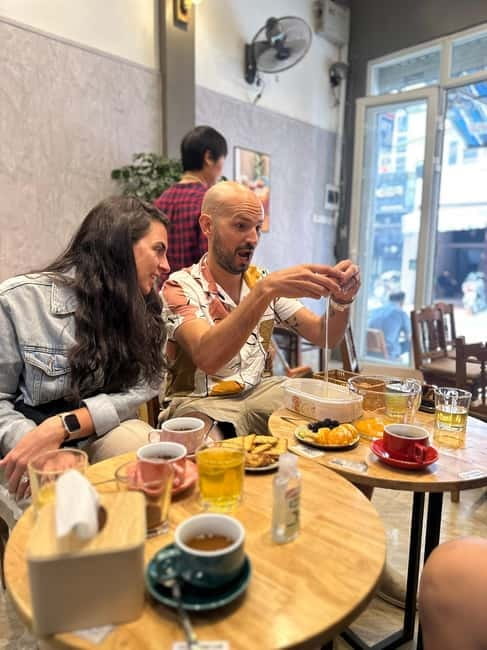
Vietnamese coffee is a craft, not just a drink. In this Hanoi workshop, you learn to make 4 to 6 signature styles with hands on brewing and tasting in a lived-in local space. I like how the experience stays small and thoughtful, so you are not stuck watching from the back, and you get real coaching as you go.
The best part is learning the logic behind each cup, not just the steps. You will grind, brew, whisk, taste, and adjust until it matches what locals want from that style. One consideration: expect a caffeine hit, since you make and drink multiple bold coffees in a short window.
Guides like Jade and Eddie (and others you might be paired with, depending on the day) bring the culture piece too, with stories that connect Old Quarter mornings to how Vietnamese coffee evolved. If you want a quiet, low-key activity, this might feel more like a friendly coffee lab than a slow stroll.
In This Review
- Quick takeaways
- Finding The Coffee Corner In Hanoi’s Old Quarter
- Walking Off The Street Into A Lived-In Local Home
- The Hands-On Session: Making 4 to 6 Signature Coffees
- What Each Coffee Teaches You (And Why It Tastes The Way It Does)
- How Locals Taste, Adjust, and Fix a Cup
- Daily-Fresh Ingredients and Easy Substitutes You Can Source
- The Atmosphere: Quiet Moments, Everyday Life, and AC
- Instructor Stories That Make Vietnamese Coffee Feel Local
- Price and Value: Is $22 Worth It?
- Who Should Book This Workshop (And Who Might Skip It)
- Should You Book This Hanoi Vietnamese Coffee Mastery Class?
- FAQ
- What Vietnamese coffee types will I learn to make?
- How long does the workshop last?
- How big is the group?
- Do I get recipes to make the coffee at home?
- Is the workshop wheelchair accessible?
- Can I pay later and cancel if plans change?
Quick takeaways
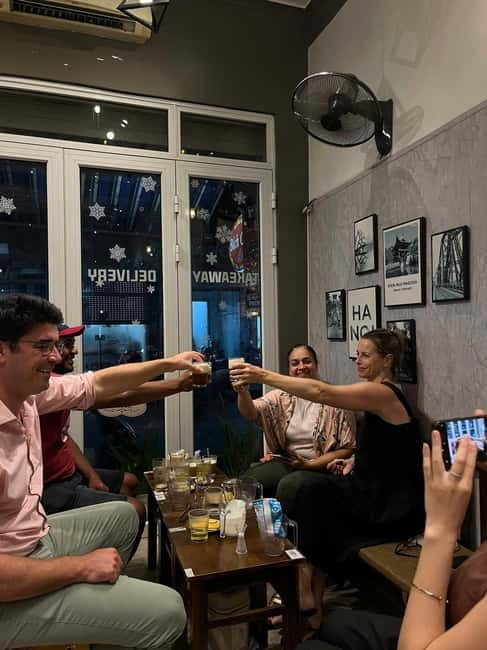
- Small group size (up to 10) keeps the pace relaxed and the coaching direct
- 4 to 6 Vietnamese coffees you make yourself, not just taste passively
- Local-style tasting and adjustment so you learn what to change when a cup is too strong or bitter
- Ceramic tools and daily-fresh ingredients like eggs, milk, and coconut, prepared on site
- Home friendly recipes and take-home instructions you can actually use
- Value for $22 includes coffees and teas, full recipes, and support from a local instructor with photo coverage
Narrowing it down? These Hanoi tours kept surfacing in our reviews.
- Hanoi Jeep Tour: Food, Culture and Fun by Vietnam Army Jeep★ 5.0 · 15,222 reviews
- Full-Day Ninh Binh Highlights Tour from Hanoi★ 5.0 · 7,761 reviews
- Hanoi: Ha Long Bay Day Cruise – Swimming, Meal, Kayaking★ 4.7 · 7,415 reviews
- Hanoi: Water Puppet Show Tickets★ 4.6 · 7,029 reviews
Finding The Coffee Corner In Hanoi’s Old Quarter
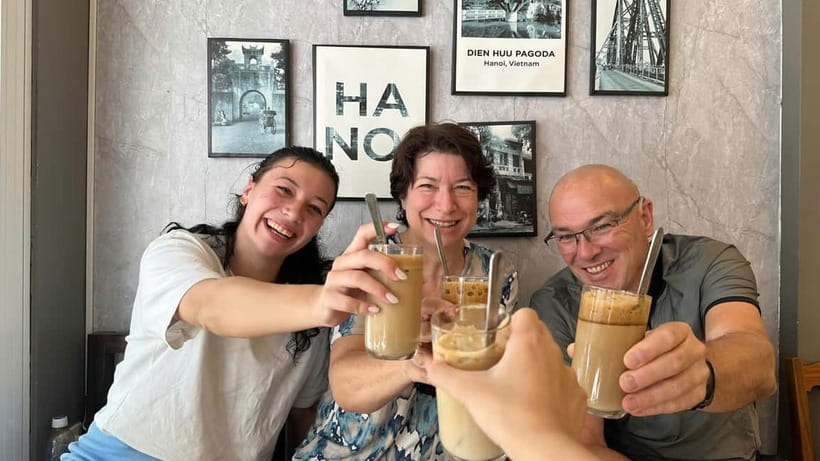
This workshop starts in a cozy local café tucked into a peaceful corner of Hanoi’s Old Quarter. The location is practical if you are using the big landmarks as your anchors, since it is close to Hanoi Opera House, the Red River, Vinh Tuy Bridge, and the French Quarter.
What I like about meeting here is that it feels low pressure. You do not show up to a classroom or a polished tourist venue. You show up in a place where people actually slow down, talk, and sip, which makes the whole coffee lesson easier to understand.
If you are doing Hanoi on foot, this is also a good warm-up activity. Plan on arriving a bit early so you can settle in before you start grinding and brewing.
Walking Off The Street Into A Lived-In Local Home
The experience truly shifts the moment you step inside. You go from the outside buzz to a lived-in home space, where voices drift, hands pause between brews, and fresh coffee warms the room slowly.
This matters more than it sounds. When your instructor is teaching in a space locals use, it changes the vibe from performance to practice. You can feel the day-to-day rhythm around you, and it makes the “why” of Vietnamese coffee feel real, not like a script.
You will also work with ceramic tools from local pottery villages, and you get to touch the texture of grounds and foam. That sensory part is not decoration. It helps you learn how Vietnamese coffee behaves as you grind, brew, and whisk, especially for styles with eggs or coconut.
The Hands-On Session: Making 4 to 6 Signature Coffees
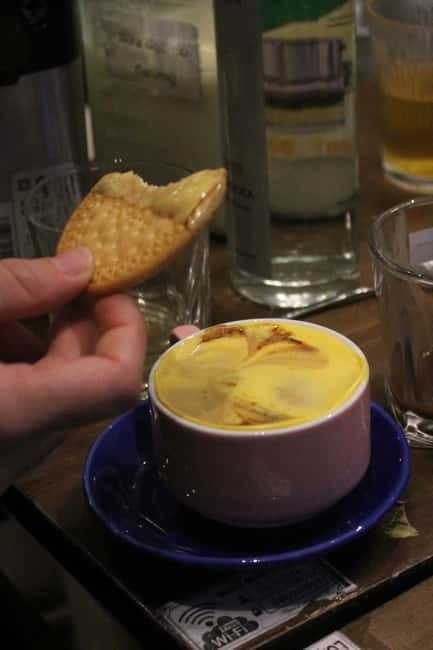
The core of the class is brewing 4 to 6 iconic Vietnamese coffees. Depending on the session flow, you can expect styles such as Black coffee, brown coffee, Egg coffee, White coffee (silver), Coconut coffee, and salted coffee.
You are not a spectator. You are the brewer.
Here is what that typically looks like in a workshop like this:
- You grind coffee and prepare your brew base.
- You brew using the local method and then taste what comes out.
- For coffees that need extra steps, you whisk or combine ingredients so the texture turns out right.
- You adjust as you go, guided by your instructor.
In reviews, people highlight that the guidance is clear and step-by-step, and many mention learning the phin filter brewing technique. So if you are curious about getting that authentic Vietnamese “slow drip” behavior at home, this is where you start.
What Each Coffee Teaches You (And Why It Tastes The Way It Does)
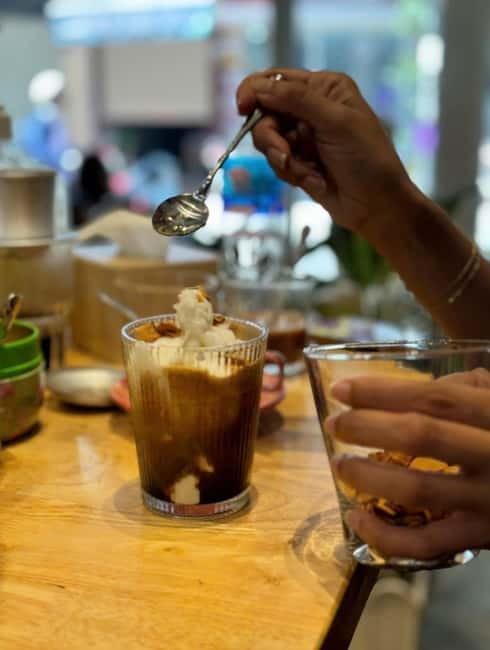
Each Vietnamese coffee style is basically a lesson in flavor control. The class does not just say make cup A, drink cup A, move on. Instead, it connects the taste to the choices that create it.
Black coffee
You learn what the base coffee tastes like before sweetness or dairy takes over. This is a good reality check if you normally avoid black coffee. Even people who do not love it usually find Vietnamese black coffee easier to enjoy once they understand how strength and grind affect bitterness.
Brown coffee
This is where sweetness and blending choices usually come into play. It teaches balance. If it tastes too harsh, your instructor can help you identify which part of your process is pushing it over the edge.
Egg coffee
Egg coffee is a Hanoi icon for a reason. You will see how the egg mixture changes the texture and body, turning something strong into something smoother and creamy. The workshop approach helps you understand the transformation, so you are not just copying a recipe, you are learning what makes it work.
White or silver coffee
This style leans into dairy and foam-like texture. It teaches you how to manage creaminess without flattening the coffee flavor. It is a great bridge if you are moving from sweeter cups toward something more nuanced.
Coconut coffee
Coconut coffee often becomes a favorite because it brings a round, smooth sweetness. In multiple accounts, people describe it as rich and smooth, sometimes with a gentle sweetness. You will taste the difference between coconut flavor that supports coffee and coconut flavor that overwhelms it.
Salted coffee
Salted coffee is the curveball that makes sense once you learn the logic. You taste how salt can reduce the perception of harshness and make flavors feel more complete, rather than just adding salty notes. It is a practical lesson in how locals use ingredients to shape the overall balance.
The point is not memorizing flavors. The point is getting the skill of adjusting so the cup matches what you want, while staying true to what makes each style Vietnamese.



How Locals Taste, Adjust, and Fix a Cup
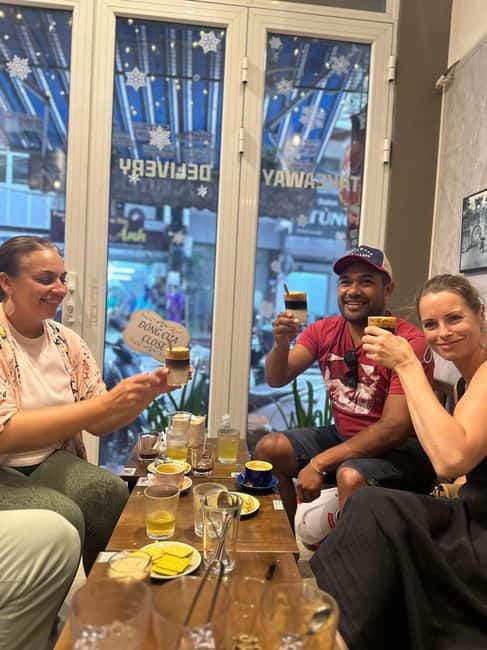
This is one of the most praised parts of the workshop because it turns you from a recipe follower into a coffee taster.
Your instructor teaches you how locals taste first, then adjust. That means you learn what to change if your cup tastes too bitter, too weak, or just not right for your palate.
You might use guidance like:
- When bitterness rises, it is usually a signal to adjust strength or brewing variables.
- When the coffee feels flat, you can work on how you brew and how you build the cup.
- For creamy or foamy styles, texture matters as much as flavor, so whisking and combining steps are not optional.
In plain terms, the class helps you understand the balance between bitterness control and coffee strength. That translates directly to home brewing, because you are not stuck with one formula. You learn what the formula is trying to do.
Daily-Fresh Ingredients and Easy Substitutes You Can Source
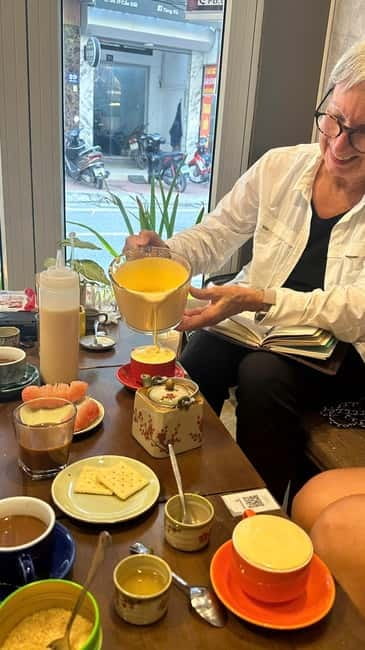
Vietnamese coffee in this workshop uses specialty Vietnamese coffee beans, sourced from Vietnam’s Central Highlands, with seasonal harvest changes across the year. You are not tasting something generic.
The ingredients are prepared daily and nothing is pre-made or artificial. You may see key ingredients like eggs, milk, and coconut prepared fresh as part of the process, depending on the cup you are making.
What I appreciate for value is that the instructor explains ingredients clearly and offers home-friendly substitutes. That matters for real life. You do not want a recipe that only works with one rare product.
So if you are thinking ahead to getting this right at home, pay attention to:
- what each ingredient is doing to flavor and texture
- what you can swap without losing the character of the coffee
- where you need to be precise, versus where you can be flexible
Also, the workshop uses dishwasher and sterilized utensils. That is a small detail, but it affects your comfort and confidence while you work.
The Atmosphere: Quiet Moments, Everyday Life, and AC
This does not feel like a rushed demo. There are quiet moments between brews, and you can hear everyday life outside the home space.
You also get comfort upgrades that make a difference in Hanoi, especially on warm days. The workshop includes air conditioning and clean restrooms. If you have ever tried to do a food experience in a cramped heat box, you will understand why this is worth mentioning.
There is also a pet-friendly garden space and childcare service available. That signals the place is set up to welcome different kinds of visitors, not only couples on a tight schedule.
Instructor Stories That Make Vietnamese Coffee Feel Local
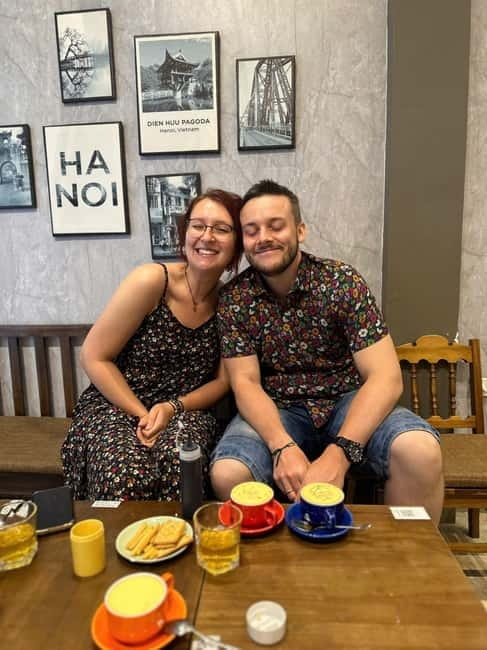
The class is led by Vietnamese English instructors, and you might be guided by hosts you will recognize from participant accounts like Jade or Eddie. Others referenced include Daisy, Jessica, Min, and Tyler. Different days, different voices, same core approach.
Their stories are tied to what you are making. People mention hearing history behind egg coffee and coffee culture in Hanoi, plus daily-life details about mornings, old cafés, and why certain styles became standard. That is the part that keeps the workshop from turning into a simple cooking lesson.
It also gives you something useful after the class. In several accounts, instructors share maps and recommendations for local food and coffee spots around the Old Quarter. Even if you already have a short list, a local guide’s suggestions can save you time and help you avoid places that feel all performance and no flavor.
If you like connecting what you taste with what you see around the city, this workshop delivers.
Price and Value: Is $22 Worth It?
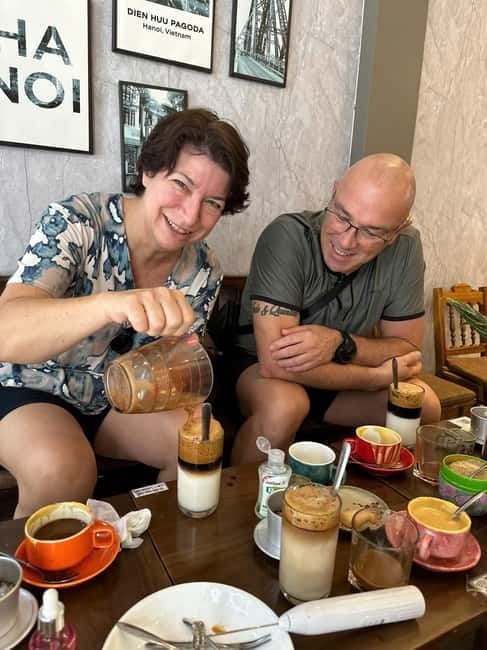
At $22 per person for 1 to 2 hours, this is priced like a workshop, not like a sit-down café bill. The value comes from what is included.
You get:
- multiple coffees and teas
- full recipes and more to take home
- an instructor who guides you through hands-on steps
- photo coverage by the instructor
- a comfortable setup with air conditioning, clean restrooms, and sterilized utensils
Then there is the skill value. You leave with techniques for tasting and adjusting, plus recipes that work at home. For many people, that is the real payoff, since Vietnamese coffee at home can be inconsistent if you only copy ratios without learning how to fix a cup.
Also, small group size helps your value. Up to 10 participants means more chance to get corrected while you brew, especially on foamy or egg-based cups where small changes matter.
If you think of this as buying a short coffee education plus a memorable Hanoi morning or afternoon, it is a fair deal.
Who Should Book This Workshop (And Who Might Skip It)
Book this if:
- you like coffee and want something more hands on than a tasting
- you want to learn Vietnamese styles like egg coffee, coconut coffee, and salted coffee
- you care about learning the adjustment part, so you can recreate results at home
- you want a small-group local experience in the Old Quarter
Consider skipping if:
- you dislike coffee and want a light snack kind of activity
- you are sensitive to caffeine and do not want multiple cups in a short time
- you are looking for a silent, sit-and-watch experience
For most people who are coffee-curious in Hanoi, this is a smart use of time. It is also great for couples and solo travelers, since the small group format encourages easy conversation during tastings and adjustments.
Should You Book This Hanoi Vietnamese Coffee Mastery Class?
Yes, if you want authentic Hanoi coffee culture with real technique, book it. You are paying for hands-on coaching, multiple signature cups, and take-home recipes that explain what to change when your coffee does not taste right.
If you are unsure, use this quick filter:
- If you love tasting and want to learn how to adjust, you will likely feel confident after this.
- If you only want one cup and then to move on, you might prefer a café instead.
Either way, schedule it early enough in your trip that you can use the knowledge and recommendations while you still have time to explore the Old Quarter.
FAQ
What Vietnamese coffee types will I learn to make?
You make 4 to 6 signature Vietnamese coffees, such as black, brown, egg, white (silver), coconut, and salted coffee.
How long does the workshop last?
Plan for 1 to 2 hours, depending on the session time slot.
How big is the group?
It is a small group limited to 10 participants.
Do I get recipes to make the coffee at home?
Yes. You receive full recipes and more.
Is the workshop wheelchair accessible?
Yes, the experience is listed as wheelchair accessible.
Can I pay later and cancel if plans change?
You can reserve now and pay later, and you have free cancellation up to 24 hours in advance for a full refund.
Other Hanoi tours our reviewers keep coming back to
- Hanoi Vespa After Dark Street food + Train Street+ Live Music
★ 5.0 · 18 reviews - (Free Pick-up) Vietnamese Body Massage in Hanoi City
★ 5.0 · 18 reviews - The Insider’s Hanoi,Train Street, Countryside Highlight by Vespa
★ 5.0 · 18 reviews - Skip the line: Thang Long Water Puppet Theater Entrance Tickets
★ 4.0 · 18 reviews - Hanoi Street Food Tour and MORE
★ 5.0 · 18 reviews - Hanoi – Hoa Lu – Tam Coc – Mua Cave – 1 Day / By Luxury Limousine & Small Group
★ 5.0 · 18 reviews