
REVIEW · HANOI STREET FOOD TOURS
Hanoi Egg Coffee Class
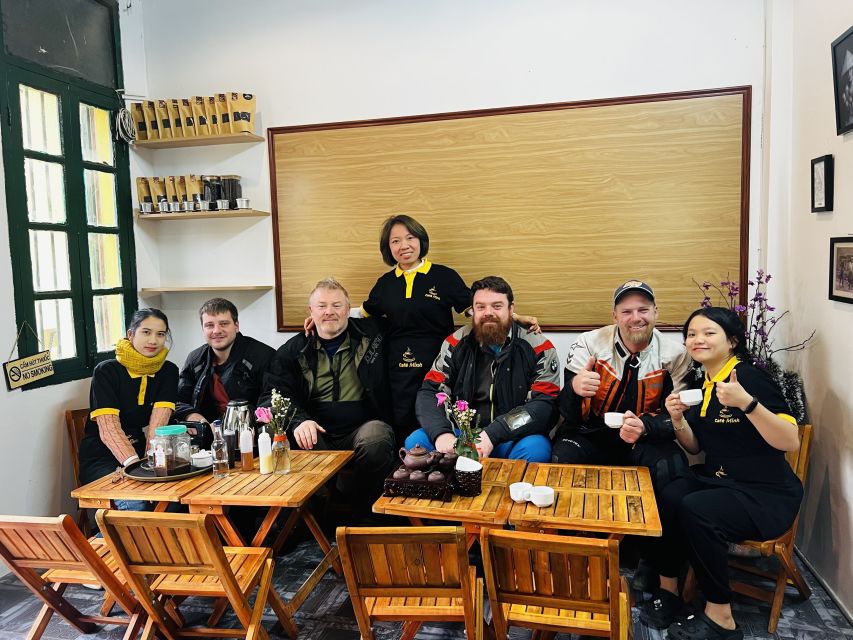
Hanoi egg coffee is weird in the best way. This class at Cafe Minh in Old Town turns the famous foamy drink into a repeatable skill, not a mystery. I like that you start with proper Vietnamese brewing basics and then move straight into hands-on recipes.
Second, I love that the teaching feels personal even when it is a small group. You can learn the egg coffee technique, plus other styles, and then compare what you made after class on the balcony or by the front sidewalk. One possible drawback: if you want every step to be fully hands-on, you might find some sessions a bit more guided than you expect.
In This Review
- Key points before you go
- Entering Cafe Minh, Old Town Hanoi’s coffee workshop base
- The lesson begins with Hanoi coffee culture, not just recipes
- The egg coffee station: where technique turns into your souvenir skill
- Hanoi espresso-strength milk coffee and Saigon sweetness with secret drops
- Salt and coconut coffee: the curveball you will probably remember
- Timing, group size, and how it changes what you get
- What is included, and why that matters for value
- After class: compare your cups and fine-tune your technique
- Practical comfort checks: cleanliness, hands-on time, and what to expect
- So, is it worth $12? My booking advice for Hanoi coffee lovers
- Should you book the Hanoi Egg Coffee Class at Cafe Minh?
- FAQ
- How long is the Hanoi Egg Coffee Class?
- Where do I meet for the class?
- What coffees will I learn to make?
- Is there an English-speaking instructor?
- What is included in the price?
- Do I need to buy ingredients or coffee tools?
- Is the class suitable for people with mobility impairments?
- Are pets allowed?
Key points before you go
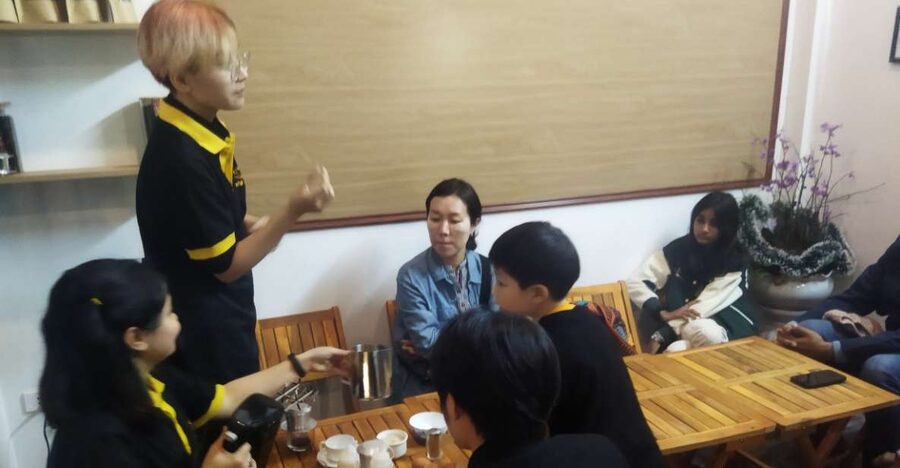
- Cafe Minh location: easy Old Town access near Ta Hien Beer Street, but away from the worst traffic
- Egg coffee training that sticks: step-by-step brewing plus tips so you can make it again at home
- Four-coffee formats show up often: egg plus other Hanoi and Saigon styles, with salt and coconut appearing in many classes
- English and Vietnamese instruction: your guide can explain history and technique in both languages
- You leave with support: at least one reviewer received a digital recipe book, and some got follow-up help via WhatsApp
- Class can be very small: one review describes a one-on-one session, which boosts how much you get out of it
Narrowing it down? These Lan Ha Bay tours kept surfacing in our reviews.
- From Hanoi: 2-Day Halong Sapphire Cruise with Balcony Cabin★ 4.8 · 1,447 reviews
- Half day Lan Ha Bay excursion ( 4 hours ): Kayaking, Snorkel★ 5.0 · 37 reviews
Entering Cafe Minh, Old Town Hanoi’s coffee workshop base
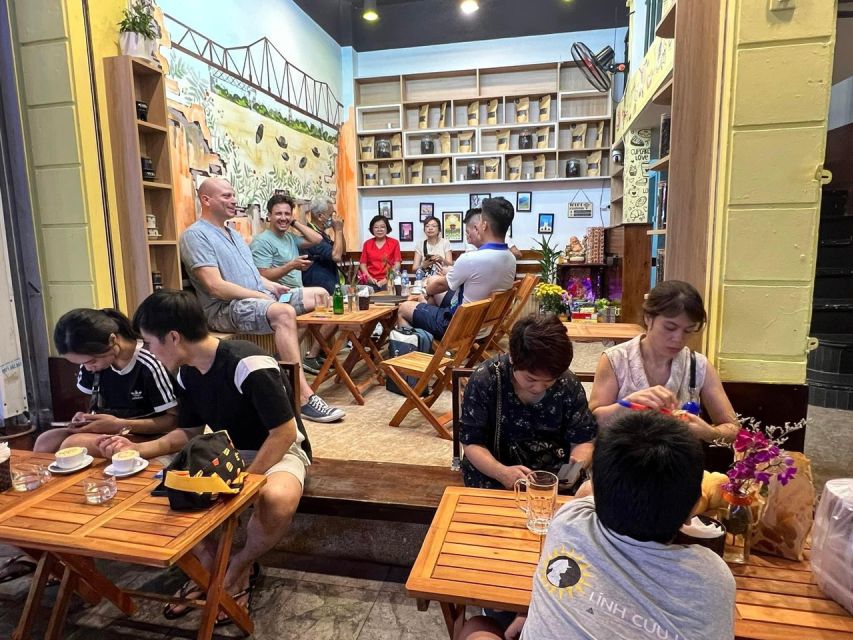
This experience meets at Cafe Minh, 53 Lương Ngọc Quyến street, just a few meters from Ta Hien Beer Street. The big practical win is that you are in the center of Hanoi, without having to fight your way through the busiest noise at every second of the class.
The shop setup matters. Several reviews mention a friendly, welcoming cafe atmosphere, and the class wraps up with time to enjoy your drinks and compare results on the balcony or in the open front area. That is not just a nice extra, it helps you spot what went right, and what you might tweak next time you brew at home.
A note on suitability: pets are not allowed, and it is not suitable for people with mobility impairments. If that affects you, it is worth taking that seriously before you book.
The lesson begins with Hanoi coffee culture, not just recipes
You are not thrown straight into whipping and pouring. The teacher starts by introducing the history and culture around Vietnamese coffee and how the “love affair” developed over time. In practice, that means you get context for why Vietnamese coffee tastes the way it does: strong concentrates, sweetened milk styles, and brewing methods that make the cup feel bold and thick.
Expect conversation during the session too. Multiple reviewers praised guides for humor and interactive teaching, not just lecturing. Names that came up include Lucy, Lena, Hai, Ashley, and Bo, and people consistently called out clear explanations and good English.
Why this cultural intro is useful: it sets up your expectations. If you walk in thinking Vietnamese coffee is just regular coffee with condensed milk, you will miss the point. The history talk helps you understand why techniques like slow drip brewing and the foam on egg coffee are so central.
The egg coffee station: where technique turns into your souvenir skill
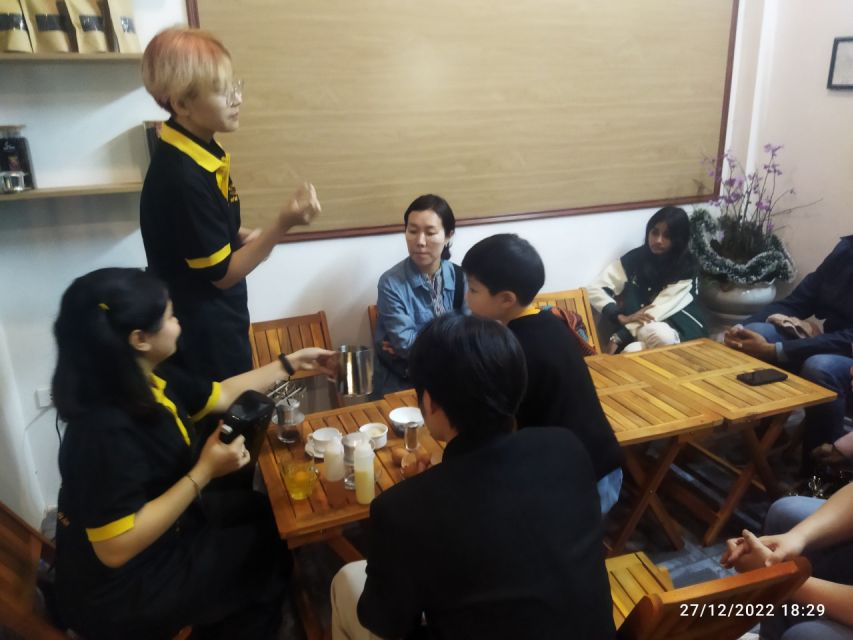
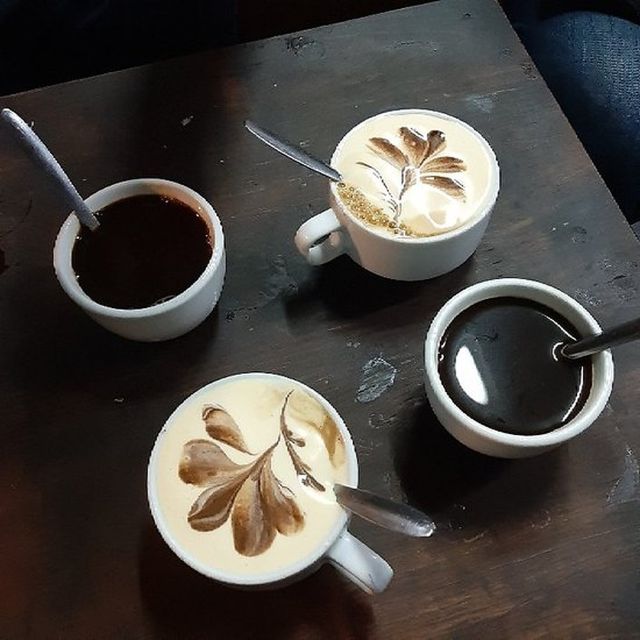
Egg coffee is the headline, and it is also the part that teaches you the most. The class focuses on making your own egg coffee using a traditional approach, and the process is labor-intensive enough that you feel the reward when it works.
What you are learning is not only ingredients. You learn the workflow: prep, timing, and the method that creates the recognizable foam. Several reviews specifically call out the egg coffee as the favorite, with people describing it as delicious and memorable.
If you have never tried it before, here is what to watch for. You want the cup to end up sweet and creamy, but not thin, and the foam should look like a proper topping rather than a splashy froth that disappears fast. One reviewer even described extra guidance on how to froth properly, including how condensed milk factors into the foamy result.
Also, do not be surprised if your first attempt feels a little chaotic. Kevin noted they would have liked more hands-on time in some whipping steps. That tells me the teaching style may vary by instructor and by group size. If you want the most tactile experience possible, prioritize a private or very small group slot.
Hanoi espresso-strength milk coffee and Saigon sweetness with secret drops
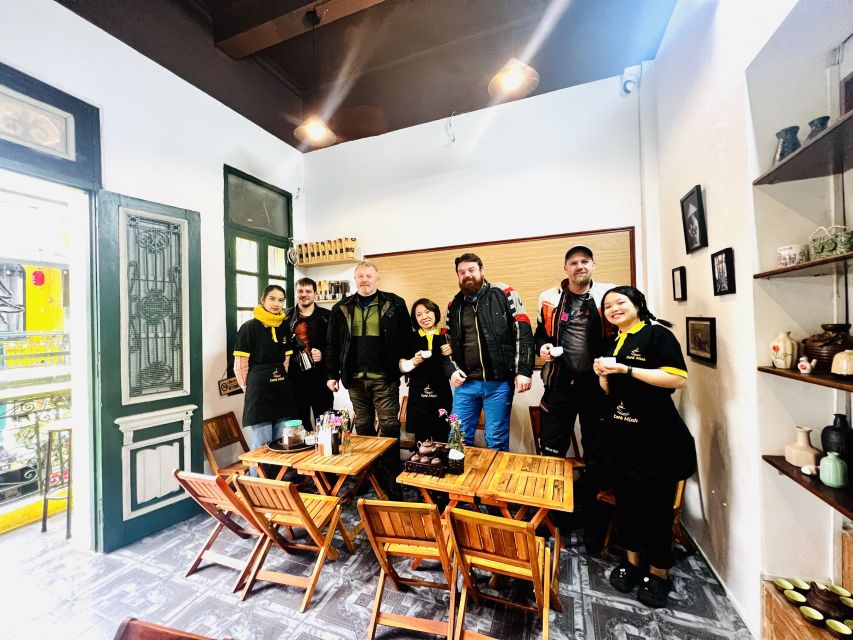
Beyond egg coffee, you learn other Vietnamese favorites that map to regional styles.
The class covers Hanoi-style espresso-strength milk coffee, with details that make it taste right. That emphasis matters, because Vietnamese “espresso-strength” often comes from strength and concentration rather than the same way you may be used to making espresso at home. Your guide should help you replicate that intensity using the brewing method and the right proportions.
Then comes Saigon-style milk coffee, described as a tad sweeter than the Hanoi version, with three secret drops. That phrasing is playful, but the practical point is serious: sweetness and finishing steps are part of the flavor recipe. When a teacher gives you tiny finishing instructions like that, it is usually the difference between coffee that tastes good and coffee that tastes like the style you are chasing.
Some classes also expand beyond these core two milk-coffee variations. Reviewers mention salt coffee and coconut coffee as part of the experience. Cham described a set including salt, egg, and coconut, and people repeatedly called those recipes delicious. One reviewer highlighted coconut and salt coffee as standouts, which suggests these variants show up often, even if your exact set depends on the option booked.
Salt and coconut coffee: the curveball you will probably remember
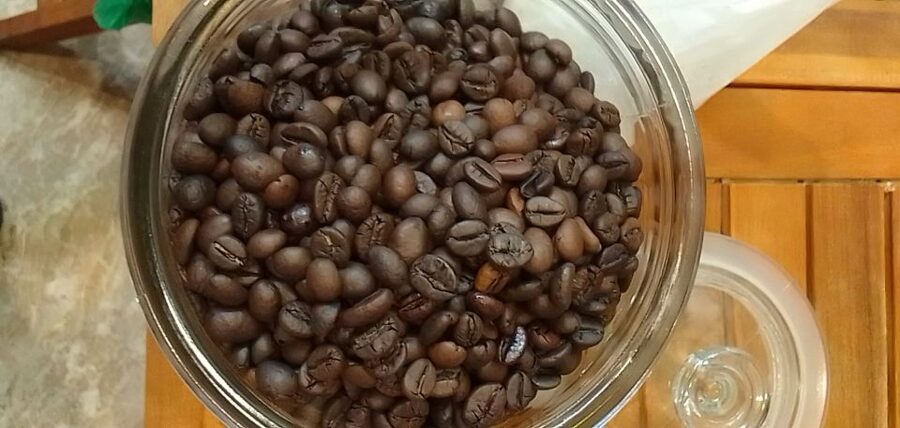
If egg coffee is the safe bet, salt and coconut coffee are the reasons you leave with more than one drink.
Salt coffee plays with the idea that salt can sharpen sweetness and balance bitterness. Coconut coffee shifts the whole vibe toward fragrance and smooth richness. When you learn both, you start understanding Vietnamese coffee as a system of flavors, not a single signature cup.
In one review, Cham joked about their heart racing after tasting or making the more intense coffees, but the takeaway was positive. They called the salt, egg, and coconut recipes delicious, and the session felt fun and lively.
Ruth O also specifically mentioned learning egg coffee and other styles like coconut and salt, and that learning made it easier to repeat at home. If you are the kind of traveler who likes to bring home skills, these curveballs are worth leaning into.
Timing, group size, and how it changes what you get
Duration runs from 1 to 4 hours, depending on the option you choose. That range can be confusing if you are planning your day, so think about it like this:
- A shorter session is best if you want the core steps and a few recipes without hanging around too long.
- A longer session usually means more practice time, more tasting, and more chances to ask questions while you compare what you made.
Group size is a big deal for hands-on teaching. This activity offers private or small groups. Neil got a one-on-one class and described it as an advantage for learning multiple coffees. Kirstie also mentioned an egg-and-more set and praised Hai as the best instructor for the course.
Several instructors came up across the reviews: Lucy, Lena, Hai, Ashley, Ruby, Paul, and Ha among others. Across the board, the common praise is clear instruction and a friendly teaching vibe.
If you want maximum value from your time, consider booking a slot where you are more likely to be in a private or very small group. The difference shows up immediately in how much attention you get while making the foam and getting the proportions right.
What is included, and why that matters for value
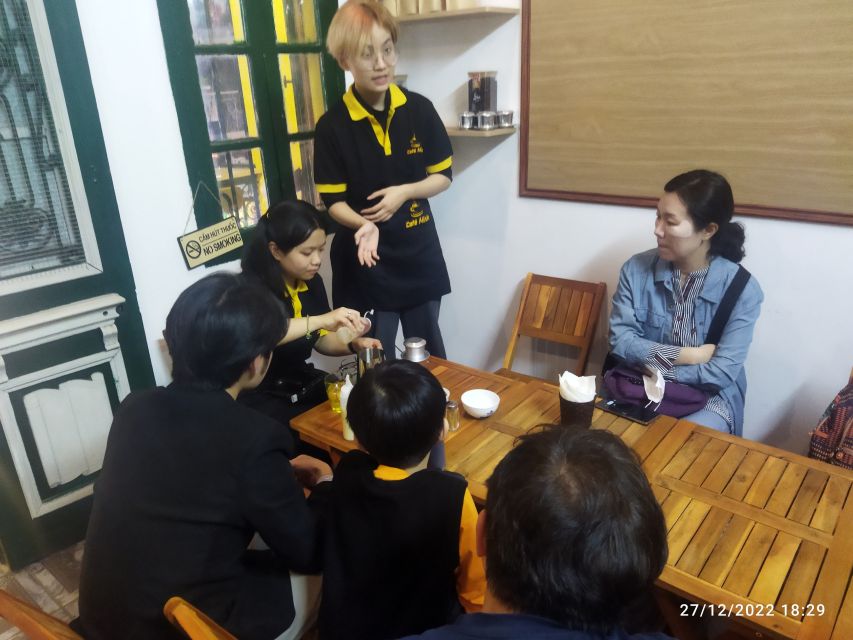
At $12 per person, this class is positioned as a budget-friendly skill-building activity. The included items listed are:
- An English-speaking teacher
- Ingredients and equipment for the class
- A small gift after the class
That is already a strong value setup. You do not need to buy beans, supplies, or tools just to learn. You also get at least one guided recipe experience, which is the part you would otherwise have to figure out through trial and error.
Two additional points came up in reviews, which are worth noting when you judge the true value:
1) One reviewer said they received a digital recipe book, which helps you recreate the coffee at home.
2) Another reviewer noted a free phin filter as a gift.
Even if your exact gift varies by option, the overall idea is consistent: you are not just tasting. You are leaving with support to make the drinks again.
Also, the cafe offers a chance to carry out materials if you need them. The class information says everything is available and can be set you up pronto. That is practical for anyone who wants the equipment that matches Vietnamese brewing, especially a phin.
After class: compare your cups and fine-tune your technique
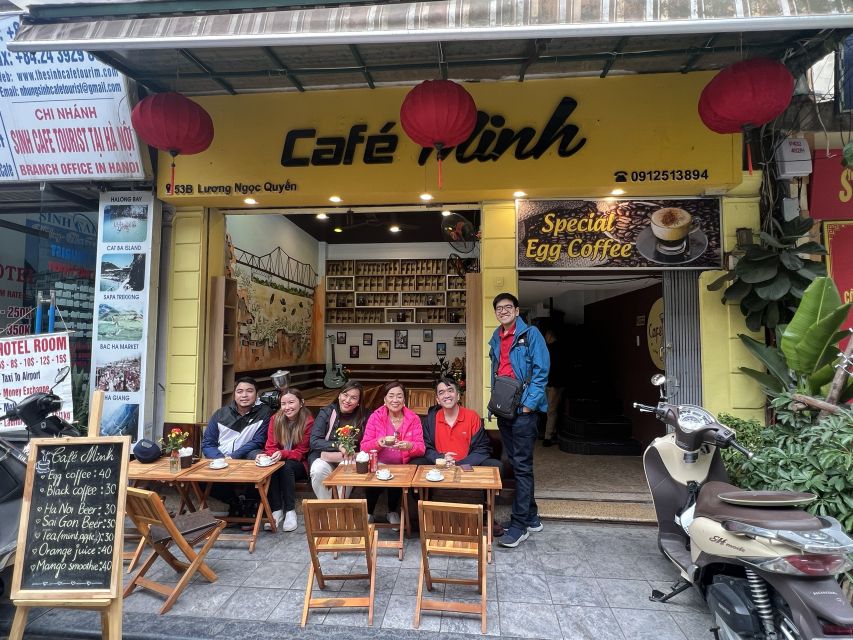
The best part you might not expect is what happens after you finish the main steps. The class invites you to stay and compare your creations on the balcony or the open front sidewalk area.
That comparison time is useful because Vietnamese coffee can be picky. Small shifts in concentration, foam texture, or sweetness can change the whole cup. Seeing other people’s versions, even informally, gives you a fast feedback loop.
You can also use that time to ask the teacher questions you did not get to ask during the workflow. If you are the kind of learner who wants to understand why something works, this is where you ask. One review even described long conversations after the workshop, which suggests the vibe can be friendly and not rush-rush.
Practical comfort checks: cleanliness, hands-on time, and what to expect
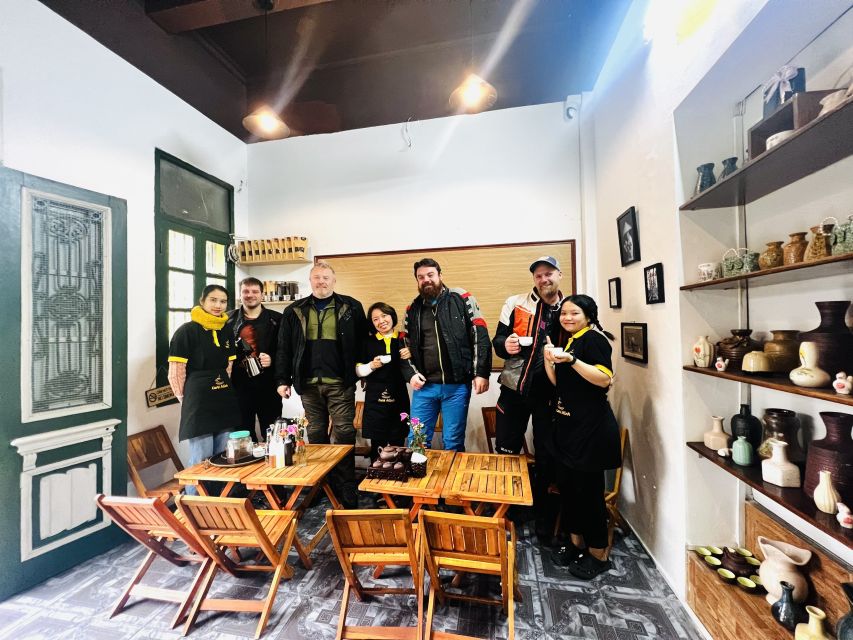
Like any small workshop, details can vary by session.
One reviewer flagged that a few utensils were not as clean as they expected and wished they had been checked before starting. That is a fair heads-up. When you arrive, you can simply observe the prep setup and confirm you are comfortable with what you are using before you begin.
Another reviewer mentioned that they would have liked more hands-on participation in some steps like whipping the egg. That suggests the amount of active participation depends on the group size and the instructor style.
So what should you do? Choose the right expectation. If you want to learn the method and taste the results, the class sounds like a great fit. If you want full control over every single step with minimal instructor handling, consider booking a private slot or an option that suggests a longer duration.
Finally, if you have mobility needs, do not assume the space will work well. The activity is not suitable for people with mobility impairments, based on the provided information.
So, is it worth $12? My booking advice for Hanoi coffee lovers
For $12, you are paying for three things: instruction, equipment and ingredients, and a structured way to master Vietnamese coffee flavors. In a city where you can find coffee everywhere, that kind of guided value is what makes this class feel like a smart use of time.
Here is who I think should book it:
- You love food and drink and want more than tasting, you want a repeatable method
- You want the iconic egg coffee experience without guessing how to make the foam
- You are staying in Old Town and want a central activity that is not complicated
- You enjoy chatting with guides who share coffee culture history, not just recipes
Here is who might pause before booking:
- You want maximum physical participation in every step, not a more guided workshop style
- You need accessibility support, since it is not suitable for mobility impairments
- You are going only for a quick sip, because this is a real lesson with a real workflow
If your goal is a memorable Hanoi morning or afternoon, and you want to leave with a skill you can show off back home, this is the kind of class that makes sense. One person even said it was a great way to start their Hanoi visit, and that feeling matches what the structure delivers: a confident grounding in Vietnamese coffee right away.
Should you book the Hanoi Egg Coffee Class at Cafe Minh?
Yes, if you want a practical, hands-on introduction to Vietnamese coffee and you specifically want egg coffee plus more than just one drink. It is centrally located near Ta Hien Beer Street, includes ingredients and equipment, and multiple reviews highlight instructors who teach clearly and keep things interactive.
I would book it especially if you can get a private or very small group slot, since that is where you see the best one-on-one attention and the easiest path to asking detailed questions. If you are sensitive about cleanliness, take a quick look at the setup when you arrive. And if accessibility is a concern, skip it due to the stated limitation.
FAQ
How long is the Hanoi Egg Coffee Class?
The duration is listed as 1 to 4 hours. The exact time depends on the option booked.
Where do I meet for the class?
The destination is Cafe Minh at 53 Lương Ngọc Quyến street. The meeting point may vary depending on the option booked, but this address is the stated destination.
What coffees will I learn to make?
Egg coffee is part of the class. The described recipes also include Hanoi-style espresso-strength milk coffee and Saigon-style milk coffee. In reviews, salt coffee and coconut coffee also appear as part of what some classes teach.
Is there an English-speaking instructor?
Yes. The class includes an English-speaking teacher, and languages listed are English and Vietnamese.
What is included in the price?
Included items are an English-speaking teacher, ingredients and equipment for the class, and a small gift after the class.
Do I need to buy ingredients or coffee tools?
No, ingredients and equipment for the class are included. After class, the cafe may have making materials available if you want to buy for take-home use.
Is the class suitable for people with mobility impairments?
No. It is listed as not suitable for people with mobility impairments.
Are pets allowed?
No. Pets are not allowed.
Other Lan Ha Bay tours our reviewers keep coming back to
- Half day Lan Ha Bay excursion ( 4 hours ): Kayaking, Snorkel
★ 5.0 · 37 reviews - From Hanoi: 2-Day Halong Sapphire Cruise with Balcony Cabin
★ 4.8 · 1,447 reviews
Hanoi Street Food Tours, compared.
 ★ 5.0Small Group Hanoi Street Food Tour with a Real FoodieFrom $284,682 reviews
 ★ 5.0Hanoi Street Food Tour with local delicaciesFrom $281,506 reviews
 ★ 5.0Hanoi Coffee Workshop: Taste Salt, Coconut and Egg CoffeeFrom $161,286 reviews
 ★ 5.0Private Hanoi Street Food Walking Tour With Real FoodieFrom $361,042 reviews
 ★ 5.0Eat Like a Local: Hanoi Street Food AdventureFrom $29841 reviews
 ★ 5.0Hanoi Food Tours in Hanoi Old Quarter (Small Group/Private)From $28657 reviews
 ★ 5.0Hanoi Food ToursFrom $27583 reviews
 ★ 5.0Guided Hanoi Food Tour With Train Street 8 Different Food TastingFrom $30535 reviews
Also in these Vietnam lists