
REVIEW · DA LAT HIGHLANDS
Coffee Farm Tour with Roasting & Tasting Workshop – Da Lat
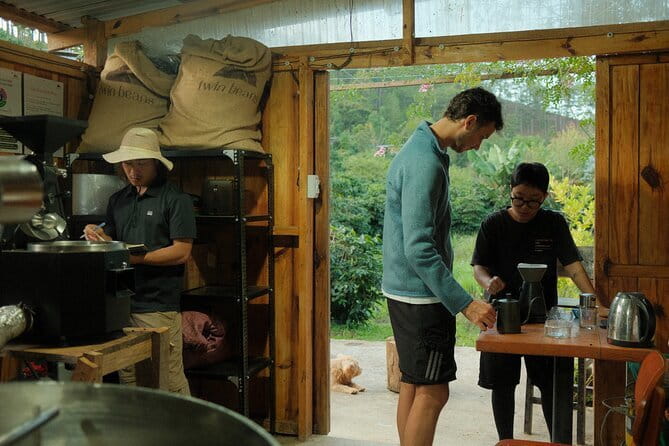
Your coffee starts on a mountain farm. Twin Beans Farm turns a short outing into a true farm-to-cup lesson, with Arabica coffee in the field and a hands-on roast your own beans moment. I like that you learn the full chain, from farming to processing to brewing, and you actually taste what the choices create. The one drawback to consider: with an about 1 hour 15 minutes schedule, it moves quickly, so it is best if you enjoy practical, hands-on learning more than long, slow strolling.
This is a small-group experience, max 10 travelers, and you can get picked up (pickup is offered). Start time is 1:30 pm, and if you are in Da Lat from November to January, you may join the team for coffee harvesting, depending on timing and season flow.
In This Review
- Key highlights to know before you go
- Twin Beans Farm, Da Lat: what you actually do in 1 hour 15 minutes
- Getting to the farm: 20 km from Da Lat center and how to plan
- Plantation tour: Arabica in the field, and what you should look for
- Best way to get value during the plantation stop
- Processing and roastery: where flavor choices start
- Practical tip: ask about the “before” and “after”
- Your roast and tasting workshop: brew your own cup on site
- How to make the tasting more fun (and more useful)
- Coffee harvesting in November to January: a seasonal chance
- Price and value: what $9.89 buys you
- Timing and what to wear: simple choices for a farm setting
- Who this coffee tour is best for
- Should you book Twin Beans Farm in Da Lat?
- FAQ
- Where is Twin Beans Farm located?
- How long is the Coffee Farm Tour with Roasting & Tasting Workshop?
- What time does the tour start?
- How much does it cost?
- Is pickup offered?
- What is the group size limit?
- Is there a mobile ticket?
- Do I roast and taste coffee during the tour?
- What is the cancellation policy?
Key highlights to know before you go
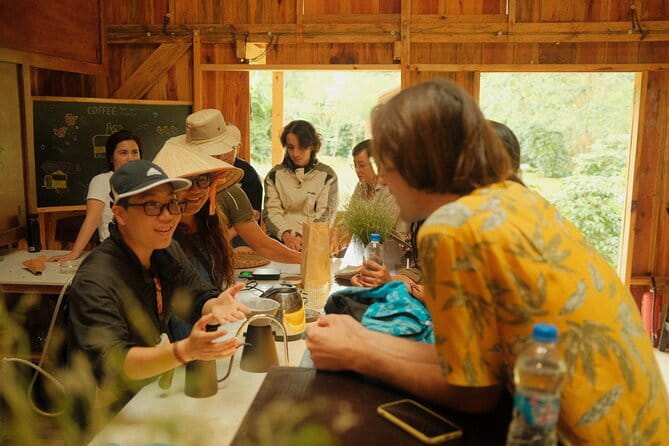
- Farm-to-cup setup on one property with plantation, processing areas, roastery, and a coffee shop
- Roast your own coffee and then brew it on the spot
- A small group (max 10) so questions feel welcome
- You learn processing choices and how they affect flavor in your cup
- Optional harvest participation in Nov to Jan for a more “seasonal” feel
Cooler air: more of the Da Lat highlands
- Canyoning Da Lat Vietnam★ 5.0 · 2,063 reviews
- Da Lat: 3 Waterfalls Tour (Datanla – Elephant – Pongour)★ 5.0 · 1,840 reviews
- Full Day Canyoning Activity in Da Lat with Lunch★ 5.0 · 1,577 reviews
- Cloud Hunting and The Glow of Dawn in Da Lat 4:00 – 10:00 AM★ 5.0 · 1,263 reviews
Twin Beans Farm, Da Lat: what you actually do in 1 hour 15 minutes
Twin Beans Farm is the kind of coffee stop you want when your time in Da Lat is limited but you still want the real story. You are not just walking past coffee bushes and taking a photo. You are moving through the ideas behind coffee, then making coffee.
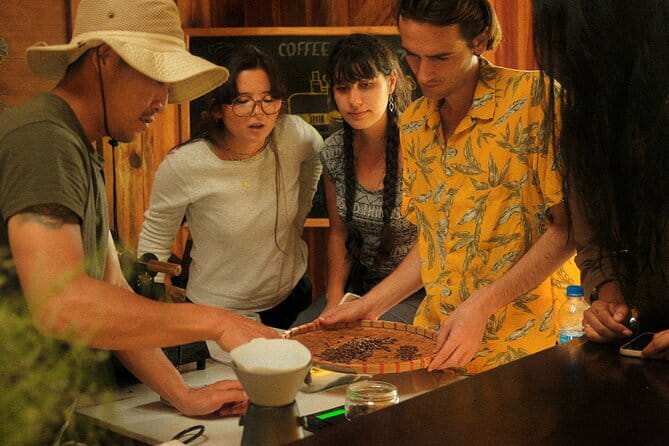
The workshop format is simple. You visit the plantation, learn how Arabica coffee grows and gets processed, then step into the roastery and coffee shop areas. After that, you roast your own beans, and you brew and taste right there. That matters because it connects theory to taste fast. If you want the “why” behind flavor, this structure helps it land.
One reason people rate this so highly is the hands-on part. In the feedback I see, Jessie stood out for explaining the process in detail and helping everyone roast their own beans without turning the session into a lecture. You get to ask questions and see what you did, then taste the results.
Do I think it’s perfect for everyone? Mostly, yes. But it is still only about 1 hour 15 minutes. If you’re the type who likes deep, slow observation over a long period, you may feel the pace is brisk. If you like a well-run, learn-by-doing session, this is a strong fit.
Getting to the farm: 20 km from Da Lat center and how to plan
Twin Beans Farm sits in Da Sar commune, Lac Duong District, Lam Dong province, about 20 km from the center of Da Lat. That distance sounds short on paper, but in practice it can change your day. I’d plan to start thinking about timing early, especially since the start time is fixed at 1:30 pm.
The good news is pickup is offered. If you are unfamiliar with routes in the area, pickup can remove a big chunk of stress. If you are planning to self-arrange transport, give yourself a buffer for traffic and the extra minutes of winding roads outside the main town area.
Also note the group limit. With a max of 10 people, the provider likely keeps a tight schedule so everyone gets the same workshop access. That means being on time matters more than at slower, drop-in attractions.
Plantation tour: Arabica in the field, and what you should look for
The visit starts on the plantation. You are there to see the coffee farm side of the story, not just the cup. Since the farm focuses on Arabica, pay attention to how they talk about coffee as a crop and not just a product.
What I like about starting in the plantation is that it reframes coffee. You see the plant, and then you connect it to what happens next: processing steps that influence flavor. In a well-run farm visit, this is where “coffee beans” stop being a mystery ingredient.
During this part of the tour, you learn about the coffee making process from farming onward. That includes the basics of what gets harvested and then how the raw product becomes something you can roast and brew. Even if you already drink coffee daily, this grounding helps you understand why the rest of the workshop works the way it does.
Best way to get value during the plantation stop
- Ask what matters most at the farm stage for this coffee.
- Pay attention to the difference between the coffee plant as an agricultural crop and the roasted bean as a culinary ingredient.
- If you’re there during harvest season, ask how picking timing changes the end product.
Processing and roastery: where flavor choices start
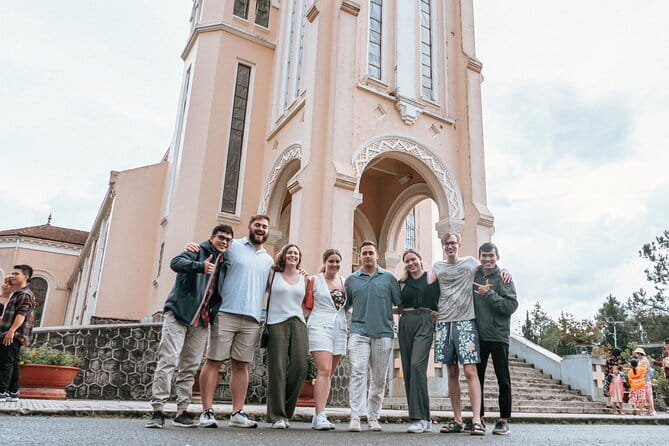
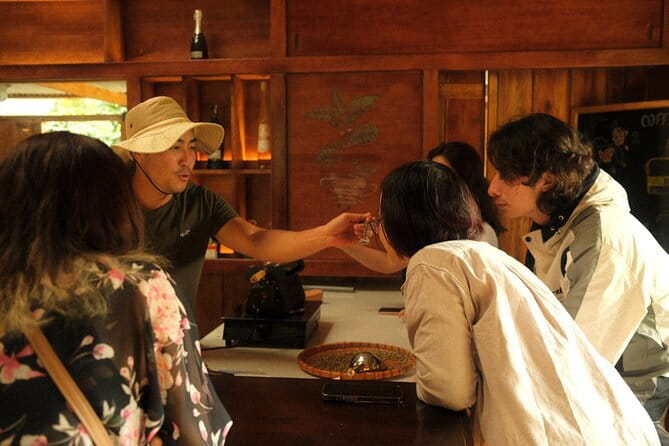
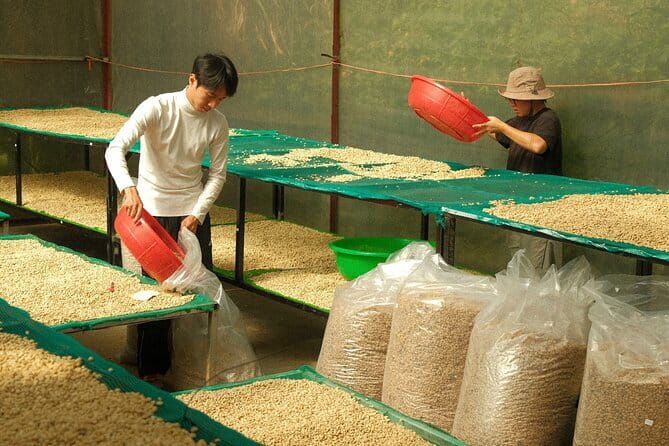
After the plantation, you move into the processing and roastery side. This is the part many coffee tours gloss over. Twin Beans Farm keeps it practical, with a focus on how different processing methods can affect flavor.
From the feedback I saw, people learned about different ways of processing and what affects the flavor. That’s a big deal for you if you are the kind of person who notices how “different” two coffees taste. Instead of just thinking one roast is better than another, you start to recognize that processing steps can shift sweetness, acidity, and overall character.
Even without a lot of chemistry talk, you can still walk away with a useful mental model:
- Farm to cup is a chain.
- When you change processing, you change the raw material’s traits.
- When you roast, you amplify and balance those traits.
The roastery component makes it real. You are not hearing about coffee like it’s a distant factory process. You are standing near the equipment and walking through how roasting fits into the wider process.
Practical tip: ask about the “before” and “after”
When you get a chance, ask how the processing step they are using changes what they aim for during roasting. The best coffee tasting experiences are the ones where you can predict flavor before you taste.
Your roast and tasting workshop: brew your own cup on site
This is the heart of the experience. You roast your own beans, then brew and taste on the spot. That hands-on sequence turns the tour into an active workshop, not a passive visit.
In the feedback, the roast-and-taste moment was repeatedly praised. People say they learned the process in detail, roasted their own beans, and enjoyed tasting the coffee they made. One person specifically highlighted that they understood the whole process from picking to drinking.
So what should you expect from the tasting part? You can expect a direct connection between your roast choices and the cup you drink. If the tour explains differences in processing and how those influence flavor, your tasting helps you connect the dots quickly.
How to make the tasting more fun (and more useful)
- Smell first, then taste slowly. Don’t rush because your cup is small.
- Compare mouthfeel and aftertaste, not just flavor notes.
- If the guide explains acidity or sweetness, try to track those sensations as you drink.
And about the human touch: Jessie’s explanations came through in the feedback as clear and detailed. If you like learning through conversation, this is a good sign. A good workshop lets you feel capable, and your job as a participant is to ask questions when you’re curious.
Coffee harvesting in November to January: a seasonal chance
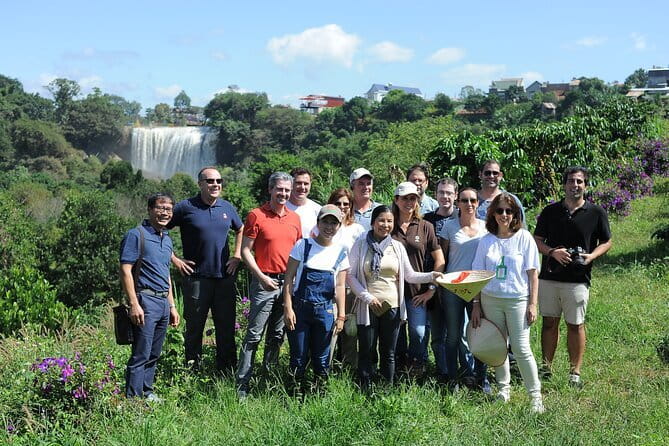
Twin Beans Farm offers an extra opportunity during November to January. If you visit in that window, you can join the team for coffee harvesting.
This is valuable for two reasons. First, it adds a seasonal layer to the farm experience. Coffee is not one static thing all year. Second, it helps you understand that coffee production is labor-intensive and time-dependent, not just a product you buy off a shelf.
One practical note: the data says harvesting is available during those months, but it does not guarantee harvest participation every single day. If you’re planning a trip specifically for harvesting, it’s smart to confirm with the provider when you book so your afternoon expectations match the season reality.
Price and value: what $9.89 buys you
At $9.89 per person, this tour sits in the budget-friendly category. The value comes from doing multiple steps in one visit:
- farm visit to understand cultivation
- processing and roastery education
- hands-on roasting
- tasting and brewing your own coffee
- on-site farm-to-cup experience
For this price, you are not just paying for access to a view or a photo stop. You are paying for guided learning and a workshop-style activity that ends with coffee you helped produce.
Also, group size matters for value. With a max of 10 people, you are less likely to be stuck at the back of a large crowd. You can ask questions and follow the roasting steps without the session feeling like a long line.
There is one consideration: because the price is low, the tour is short and structured. That’s usually fine, and it can actually work in your favor. But if you want a long, unhurried day focused only on farming, you might prefer a longer tour format.
Timing and what to wear: simple choices for a farm setting
The start time is 1:30 pm, and the tour runs about 1 hour 15 minutes. That schedule helps you build the rest of your Da Lat day around it, rather than losing most of the daylight.
For clothing, treat it like a working farm. Wear comfortable shoes you don’t mind getting slightly dusty or worn in outdoor areas. Even if the route is well maintained, farm spaces can be uneven.
Bring water if you tend to get warm, especially in afternoon sun. The tour is short, but you will be outside on a plantation part of the time.
If you are also planning other activities later, remember you will end with a tasting. Try not to stack this right before something intense. You want to feel fresh enough to enjoy the coffee flavors and the guide’s explanation.
Who this coffee tour is best for
This is a strong choice if you:
- love coffee and want to learn how farming and processing connect to what you taste
- enjoy hands-on activities, especially roasting and brewing
- want a small-group experience rather than a crowded attraction
- travel with someone who likes nature and agriculture, not just a city highlight
It might be less ideal if you:
- want a slow, long-form educational walk with lots of free time
- dislike structured workshops and prefer purely observational tours
- are traveling with very young kids and need extra flexibility, since the session is tight and time-bound
Should you book Twin Beans Farm in Da Lat?
If you are asking whether this is worth your afternoon, I’d say yes, if you like learning that turns into a cup in your hands. The mix of plantation learning, processing and roastery explanation, plus roasting and tasting is exactly the kind of format that makes coffee make sense.
For me, the decision comes down to this: the experience is built for real participation. People highlight that they roast their own beans, taste what they made, and understand processing differences with help from Jessie. That is not a generic coffee photo stop. It’s a farm visit that respects your time, keeps the group small, and ends with a clear payoff.
If you’re in Da Lat and you can fit a 1:30 pm start, this is a smart use of time, especially at $9.89 a person.
FAQ
Where is Twin Beans Farm located?
Twin Beans Farm is in Da Sar commune, Lac Duong District, Lam Dong province, about 20 km from Da Lat center.
How long is the Coffee Farm Tour with Roasting & Tasting Workshop?
The duration is about 1 hour 15 minutes.
What time does the tour start?
The start time is 1:30 pm.
How much does it cost?
The price is $9.89 per person.
Is pickup offered?
Yes, pickup is offered.
What is the group size limit?
The tour has a maximum of 10 travelers.
Is there a mobile ticket?
Yes, the tour includes a mobile ticket.
Do I roast and taste coffee during the tour?
Yes. You will learn the coffee-making process, roast your own coffee, brew it, and enjoy it on the spot. In November to January, you can also join the team for coffee harvesting.
What is the cancellation policy?
You can cancel for free up to 24 hours in advance for a full refund. If you cancel less than 24 hours before the experience starts, the amount you paid is not refunded.
Up in Da Lat
- Canyoning Da Lat Vietnam★ 5.0 · 2,063 reviews
- Da Lat Countryside Minivan Shared Tour (Three Waterfalls)★ 5.0 · 1,894 reviews
- Da Lat: 3 Waterfalls Tour (Datanla – Elephant – Pongour)★ 5.0 · 1,840 reviews
- Full Day Canyoning Activity in Da Lat with Lunch★ 5.0 · 1,577 reviews
- Cloud Hunting and The Glow of Dawn in Da Lat 4:00 – 10:00 AM★ 5.0 · 1,263 reviews
Other Da Lat tours our reviewers keep coming back to
- Vietnamese Culture: Phin-Making Tour Beyond Elephant Falls, Dalat
★ 5.0 · 19 reviews - Cloud Chasing packaged hike – Sunrise, Nature and Wellness
★ 5.0 · 21 reviews - Dalat Private Tour Package in 2 Days
★ 5.0 · 29 reviews - Dalat’s Countryside Half Day Tour by Motorbike
★ 5.0 · 29 reviews - Bike and Hike to Lang biang Peak
★ 5.0 · 34 reviews - Da Lat Easy Rider- Motorbike Tour- Countryside & Homemade Cooking
★ 5.0 · 35 reviews
Da Lat Highlands, compared.
 ★ 5.0Canyoning Da Lat VietnamFrom $692,063 reviews
 ★ 5.0Da Lat Countryside Minivan Shared Tour (Three Waterfalls)From $351,894 reviews
 ★ 5.0Da Lat: 3 Waterfalls Tour (Datanla – Elephant – Pongour)From $251,840 reviews
 ★ 5.0Full Day Canyoning Activity in Da Lat with LunchFrom $801,577 reviews
 ★ 5.0Cloud Hunting and The Glow of Dawn in Da Lat 4:00 – 10:00 AMFrom $281,263 reviews
 ★ 4.9Dalat: Three Waterfalls Small Group Tour – Alpine CoasterFrom $211,256 reviews
 ★ 5.0Full Day Exploring Tour with Langbiang -Crazy House- Datanla FallFrom $241,194 reviews
 ★ 5.0Canyoning Tour in Dalat Viet NamFrom $701,160 reviews
Also in these Vietnam lists