

REVIEW · VIETNAM
2 Weeks Vietnam and Cambodia – Super Saving – Amazing Experience
Two weeks can feel like a sprint, but this one is a smart one. I like how it strings together major highlights with real time in each place, and I also like that the logistics are handled for you, from airport pickups to domestic flights. The main thing to consider is pace, there are long travel legs and an active day in Sapa.
You’ll start in Hanoi, then move through Halong Bay, Sapa, Hoi An, and Ho Chi Minh City, before heading to Cambodia for Phnom Penh and Siem Reap. If you want a “see the big stuff” trip without living in planning apps, this setup makes sense.
The group size stays small, with a maximum of 20 people, and Vietnam runs as a group tour while Cambodia shifts to a private-tour feel. Just be ready for early starts and packed days when the itinerary hits the next region.
In This Review
- Key points to know before you go
- Vietnam and Cambodia, run by people who handle the details
- Hanoi Old Quarter start: jet lag, simplified
- Halong Bay cruise: caves, kayaking, and early calm
- Sapa in two acts: villages at Cat Cat, then the Ta Van trek
- Hoi An, My Son, and the Thu Bon boat time
- Ho Chi Minh City and the Mekong Delta reset
- Phnom Penh: Tuol Sleng and the Killing Fields, with care
- Siem Reap and Angkor Wat: temples plus the Angkor Thom circuit
- What you’re paying for: $1,650 and where it really goes
- Who this tour suits, and the one consideration you should plan for
- Should you book this Vietnam and Cambodia 16-day Super Saving tour?
- FAQ
- What countries and main cities does this tour cover?
- How long is the trip?
- Where do you get picked up on arrival in Vietnam?
- Are domestic flights included?
- Do I need visas for Vietnam and Cambodia?
- Are entrance fees included?
- What meals are included?
- What kind of accommodation is included?
- Is the tour vegetarian or vegan friendly?
- How big is the group?
- Where does the tour end?
Key points to know before you go
- Airport to hotel transfers keep Day 1 low-stress, including a signboard pickup at arrival
- One-night Halong Bay cruise plus early cave and kayak time, not just a day trip
- Sapa trekking options that match real walking distance (about 7 km) and village life
- Hoi An plus My Son plus Thu Bon boat ride in a tight, efficient block of days
- Domestic flights inside Vietnam reduce hours on the road
- Small-group cap (20) plus an English-speaking guide helps the trip stay organized
Narrowing it down? These Hanoi tours kept surfacing in our reviews.
- Hanoi Jeep Tour: Food, Culture and Fun by Vietnam Army Jeep★ 5.0 · 15,222 reviews
- Full-Day Ninh Binh Highlights Tour from Hanoi★ 5.0 · 7,761 reviews
- Hanoi: Ha Long Bay Day Cruise – Swimming, Meal, Kayaking★ 4.7 · 7,415 reviews
- Hanoi: Water Puppet Show Tickets★ 4.6 · 7,029 reviews
Vietnam and Cambodia, run by people who handle the details
This tour is built for travelers who want the highlights, with fewer “what now?” moments. You’re paying for time savings as much as sightseeing. At $1,650 per person, the value comes from stacking several costly pieces together: domestic flights in Vietnam, multi-night stays, cruise lodging on Halong Bay, and entrance fees.
You also get a practical travel rhythm. Some days are travel-heavy, like flying Hanoi to the next stop or crossing the border into Cambodia by coach. But the day structure is predictable, with early mornings for the big sites and lighter time blocks for markets and free wandering.
In the experience, the most praised strength is organization. Names like David show up in the kind of trip management that makes you feel looked after from the first meeting, and guides such as Tommy are noted for being friendly and responsive. That matters, because Southeast Asia logistics can be smooth or chaotic depending on who’s coordinating.
One more note that affects your comfort: accommodations are 3-star, which usually means clean and practical rather than fancy. That’s not a flaw. It’s a tradeoff that keeps the budget aligned while still getting you into good locations.
Hanoi Old Quarter start: jet lag, simplified
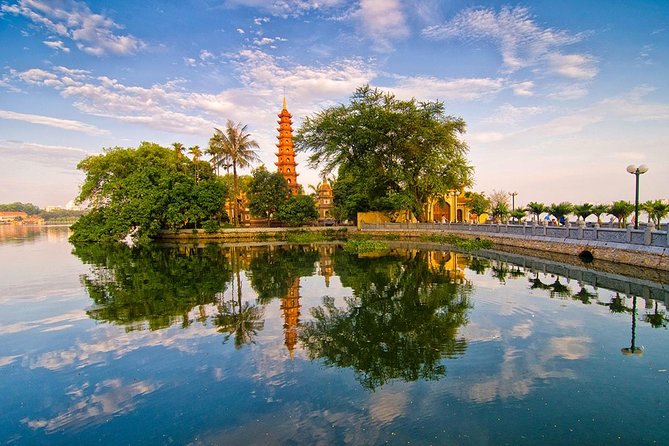
Day 1 begins at Noi Bai International Airport with a driver waiting for you with a signboard. This is one of those small-but-big things. When you’re landing, the worst feeling is reaching your hotel and realizing you’ll spend the next two hours figuring out transport.
From the airport, you’re escorted into the center of Hanoi Old Quarter for your first night. Staying in the Old Quarter area is a smart move because it reduces friction the next morning. You can also use that first evening to walk, eat something local, and get your bearings without committing to a big schedule.
You’ll want to keep your expectations realistic. Hanoi is busy, and you’ll feel it right away. But having your transfer handled means you can focus on the city instead of navigating it.
Practical tip: bring a day bag you can carry on top of any regular luggage. The tour includes transfers, but you’ll still want something ready for quick walks, bottled water runs, and small shopping trips.
Halong Bay cruise: caves, kayaking, and early calm
Halong Bay is the kind of highlight that’s worth getting right. Here you don’t just rush to a viewpoint and back. You depart Hanoi around 8:00 am after breakfast, reach Halong Bay, then enjoy lunch onboard the cruise.
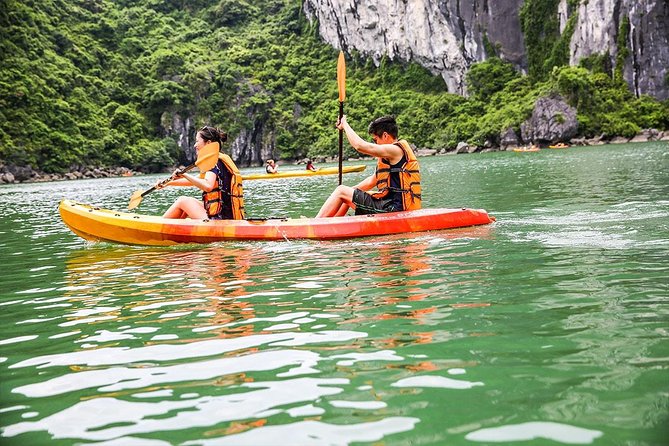
Day 3 is where the experience gets more interesting. You start with early morning Tai Chi on the bay, then visit Sung Sot Cave and do kayaking around the Drum cave area. The route also includes stops such as Ba Hang fishing village and Dog Islet, plus a brief fruit carving activity while you head back.
This is a good example of what you’re actually buying with a cruise night. The bay feels different in the morning than it does mid-day, and those quiet hours are often when you get better photos and less crowd pressure. Even if you care more about scenery than photos, the calmer atmosphere helps you slow down.
Possible drawback: you’ll need to be comfortable with the motion of a boat and the physical effort of cave steps. If you’re not used to uneven cave floors, wear shoes with grip. Also keep your schedule flexible for weather. Halong Bay can shift with conditions, and the tour mentions it requires good weather.
Sapa in two acts: villages at Cat Cat, then the Ta Van trek
Sapa days pack in culture and views, and the pacing is well structured. You’re picked up around 7:00 am and transferred to Sapa, arriving in time for lunch. After resting at your hotel, you visit Cat Cat village.
Cat Cat is a classic introduction to the region. You get a chance to see how daily life works in an upland setting, and you get that sense of Sapa being more than just a scenic train stop. It’s also a nice way to settle into the altitude and walking rhythm before the longer trek.
Day 5 is the real workout. After breakfast, you trek for about 3.5 hours, exploring Lao Chai and Ta Van village, with an indicated walking distance of around 7 km. The walk follows terraced rice scenery and focuses on local ethnic minority life.
This day is memorable, but it’s the one you should think about fitness for. If you have knee issues or you hate uneven trails, you’ll want to pace yourself and tell your guide what you can handle. Bring light rain protection and a hat. Sapa weather can change fast.


Hoi An, My Son, and the Thu Bon boat time

After Sapa, the tour shifts gears to smoother coastal time. You travel to Da Nang by flight, then transfer by private car to Hoi An.
One of the better parts of this design is that Hoi An isn’t treated as a single checkbox. You get a full day for wandering later, and you also get a day trip and a river experience woven in.
My Son Sanctuary is on Day 7 as a half-day visit. My Son was a religious center built under the Cham kingdom in the late 4th century, and the site gives context for the region’s pre-Angkor heritage. It’s also a relief from long city driving, because it’s all about the ruins and the walk between points.
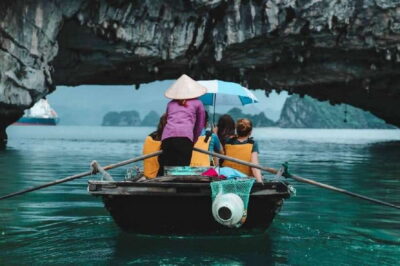
Then comes the river. After leaving My Son, you head toward Cau Lau boat station and take a boat trip on the Thu Bon River. You can observe local life from the water, and the tour includes soft lunch such as My Quang traditional noodle.
By Day 8, you’re back in Hoi An Ancient Town for a day of leisure. Hoi An is one of those places where the streets and old buildings do most of the work. If you like markets, tailors, and slow wandering, this is your playground.
Practical tip: Hoi An gets busy. Go early or late if you want photos without feeling like you’re shoulder-to-shoulder with everyone.
Ho Chi Minh City and the Mekong Delta reset
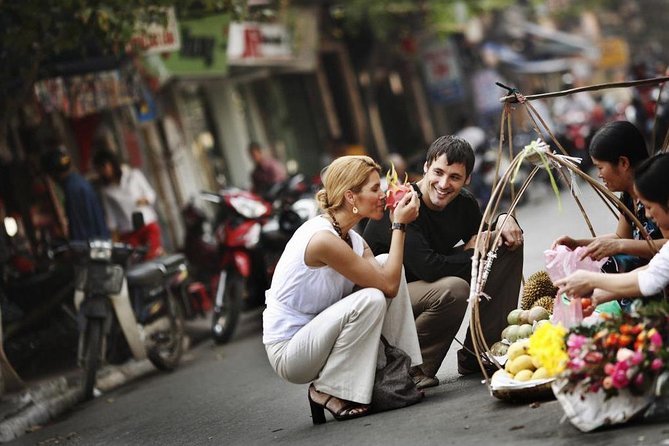
Day 9 flies you from Da Nang to Ho Chi Minh City. That one domestic flight can be the difference between “vacation” and “airport and bus day,” so it’s a real value add.
Once you arrive, you’re transferred to your hotel and get time to relax. Then Day 10 is a Mekong Delta excursion. You’ll be picked up around 7:30 to 7:50 am, drive along the national highway lined with green rice fields, then reach My Tho for the day’s water-and-river activities.
The delta is best understood by being on the water. Even with limited specifics in the schedule details, the structure is clear: scenic drive, then river exploration with guided stops and local interaction.
Day 11 gives you Ben Thanh Market time for shopping and sight seeing. You also have optional additions available on request, such as Cu Chi Tunnel and a Ho Chi Minh City tour.
Possible drawback: Mekong Delta days can feel long because of travel time plus boat segments. If you want a more relaxed pace, use Ben Thanh as your low-key buffer day and save big shopping for there.
Phnom Penh: Tuol Sleng and the Killing Fields, with care

Crossing into Cambodia happens by coach around 8:00 am on Day 12. The border process is included, and it’s a reminder that visas and paperwork need to be handled ahead of time by you. After the long drive, you check into your Phnom Penh hotel and get free and easy time.
Day 13 is heavier. You visit Tuol Sleng Prison Museum and then Choeung Ek Killing Fields. The tour frames these stops as a way to understand the Khmer Rouge era and the human cost behind it. You also get lunch at a local restaurant.
This is not a “fun day,” and that’s the point. If you’re traveling with kids, this is the day where you’ll need to think carefully about emotional readiness. If you prefer guided interpretation, having an English-speaking guide helps connect the dots without you having to piece everything together yourself.
Practical tip: go slowly through the exhibits. It’s easy to rush because other groups move fast. You’ll get more out of it by giving yourself time to absorb.
Siem Reap and Angkor Wat: temples plus the Angkor Thom circuit
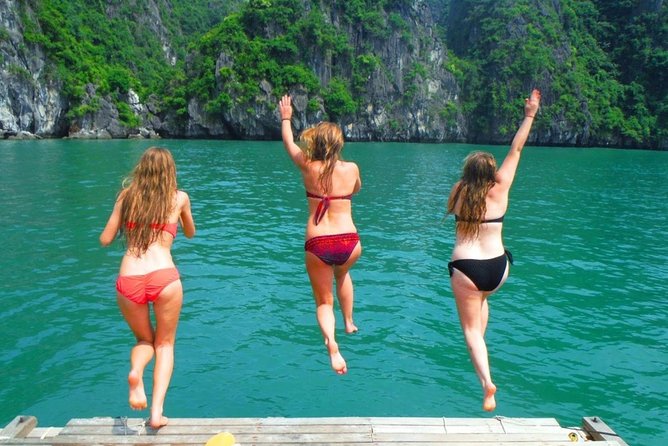
On Day 14, you travel by coach to Siem Reap, check in, and then have free time. This is a smart choice. After Phnom Penh, your brain needs a break, and Siem Reap evening time often becomes a buffer for jet lag and big emotions.
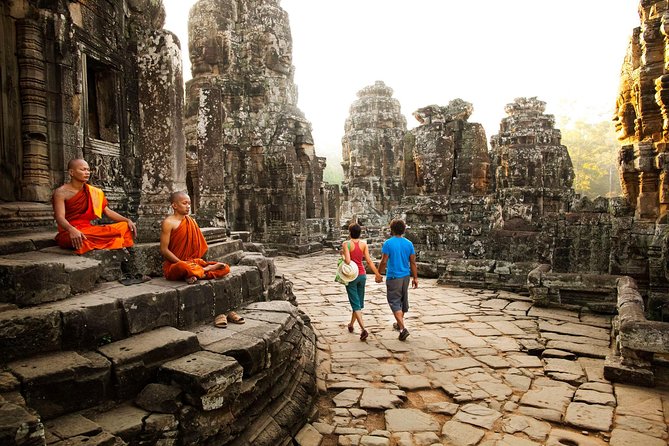
Day 15 is the temple highlight day. After breakfast, you set off around 8:00 to 8:30 am and explore the Angkor Thom area. The included list covers major stops such as Angkor Thom Temple South Gate, Bayon Temple, Baphuon Temple, Phimean Akas Temple, Elephants Terrace, Leper King Terrace, and the Royal Palace area, plus other key points in the complex.
This portion is valuable because it gives you more than one icon. You’re walking through different faces, terraces, and temple architecture zones, so you get a more rounded feel for the site.
Possible drawback: Angkor days are hot and tiring, even when it looks like everything is indoors. Bring a hat, drink water often, and wear shoes that can handle stone steps. Also, plan for a long day outdoors. Your comfort matters more than perfect photos.
What you’re paying for: $1,650 and where it really goes
Let’s talk value without hand waving. You’re not just paying for entry tickets and transport. You’re paying for a built-in travel structure.
From the included items, you get:
- All domestic flights in Vietnam, with a luggage allowance of 20 kg checked and 7 kg carry on
- 14 nights at 3-star accommodation, plus 1 night on the Halong Bay cruise
- Entrance fees to the attractions on the program
- Experienced English-speaking guide, with other languages available for an extra cost on request
- Meals as indicated, including 16 breakfasts and 8 lunches, plus dinner is included
- Transportation throughout, including the shuttle bus segments Saigon to Phnom Penh and Phnom Penh to Siem Reap
- Return private airport transfers
What you don’t get:
- International flights to and from your home country
- Visas for Vietnam and Cambodia
- Beverages, tips, and personal expenses
So the “saving” angle is real. If you tried to price this from scratch, adding domestic flights, a Halong Bay cruise night, and guided transfers quickly becomes expensive and time-consuming. Here, those pieces are bundled.
Still, the decision depends on your travel style. If you love planning day by day and negotiating your own transport, a packaged tour might feel restrictive. If you want your trip to run and your job is just to show up with your passport, this structure is built for you.
Who this tour suits, and the one consideration you should plan for
This is a strong match if you:
- Want a highlights-first itinerary across Vietnam and Cambodia
- Appreciate guides who handle timing, pickups, and access to sights
- Prefer small-group comfort in Vietnam, then more private-feel time in Cambodia
- Don’t want to burn vacation days on long stretches of logistics
The biggest “watch this” item is physical and mental rhythm. You’ll have long travel days, plus a meaningful Sapa trek with about 7 km walking indicated. You’ll also face a solemn day in Phnom Penh where you should be emotionally prepared.
My practical advice before you book:
- Pack for walking and weather changes in northern Vietnam
- Bring good shoes for caves and temple steps
- Plan your visas early so border day stays smooth
- Budget for snacks and drinks, since beverages are not included
Should you book this Vietnam and Cambodia 16-day Super Saving tour?
If you want a well-run route through Hanoi, Halong Bay, Sapa, Hoi An, Ho Chi Minh City, the Mekong Delta, Phnom Penh, and Angkor, this is the kind of itinerary that can deliver without turning your vacation into a project. The stand-out themes from the experience are organization, friendly support from key coordinators like David, and guides such as Tommy who help the trip feel human, not mechanical.
I’d book it if you value convenience and you like guided pacing. I’d think twice if you want total freedom every day or you dislike walking in uneven terrain. Overall, it’s a solid “big sites, managed logistics” tour with good value built into the bundle.
FAQ
What countries and main cities does this tour cover?
It covers Vietnam and Cambodia. In Vietnam you visit Hanoi, Halong Bay, Sapa, Hoi An, and Ho Chi Minh City. In Cambodia you visit Phnom Penh and Siem Reap, including Angkor Wat and Angkor Thom area sights.
How long is the trip?
The tour runs for about 16 days, with activities scheduled across multiple days in both Vietnam and Cambodia.
Where do you get picked up on arrival in Vietnam?
On Day 1, arrival in Vietnam is handled at Noi Bai International Airport, where a staff member holds your name sign and arranges your transfer to accommodation in Hanoi.
Are domestic flights included?
Yes. Domestic flights within Vietnam are included, including the Vietnam flights specified in the itinerary, with a 20 kg checked luggage allowance and 7 kg carry on.
Do I need visas for Vietnam and Cambodia?
Yes. Visas are not included, so you will need to arrange them for Vietnam and Cambodia before travel.
Are entrance fees included?
Entrance fees to the attractions on the program are included.
What meals are included?
The package includes meals as indicated in the schedule, with 16 breakfasts and 8 lunches listed, and dinner is included as well.
What kind of accommodation is included?
You stay in 3-star accommodation for 14 nights, plus one night on a Halong Bay cruise.
Is the tour vegetarian or vegan friendly?
Yes. Vegetarian and vegan food options are available on request.
How big is the group?
The maximum group size is 20 travelers. Vietnam is described as a group tour, while Cambodia is described as a private tour.
Where does the tour end?
The tour ends with transfer to Siem Reap International Airport on the last day, so you can take your flight back home.
Other Hanoi tours our reviewers keep coming back to
- Hanoi Vespa After Dark Street food + Train Street+ Live Music
★ 5.0 · 18 reviews - (Free Pick-up) Vietnamese Body Massage in Hanoi City
★ 5.0 · 18 reviews - The Insider’s Hanoi,Train Street, Countryside Highlight by Vespa
★ 5.0 · 18 reviews - Skip the line: Thang Long Water Puppet Theater Entrance Tickets
★ 4.0 · 18 reviews - Hanoi Street Food Tour and MORE
★ 5.0 · 18 reviews - Hanoi – Hoa Lu – Tam Coc – Mua Cave – 1 Day / By Luxury Limousine & Small Group
★ 5.0 · 18 reviews